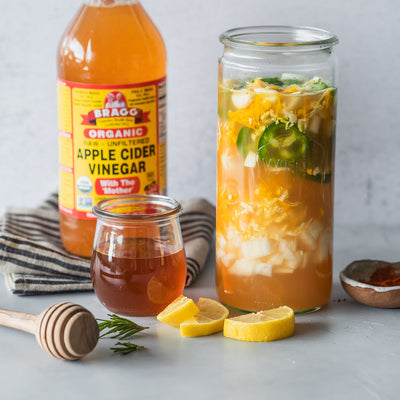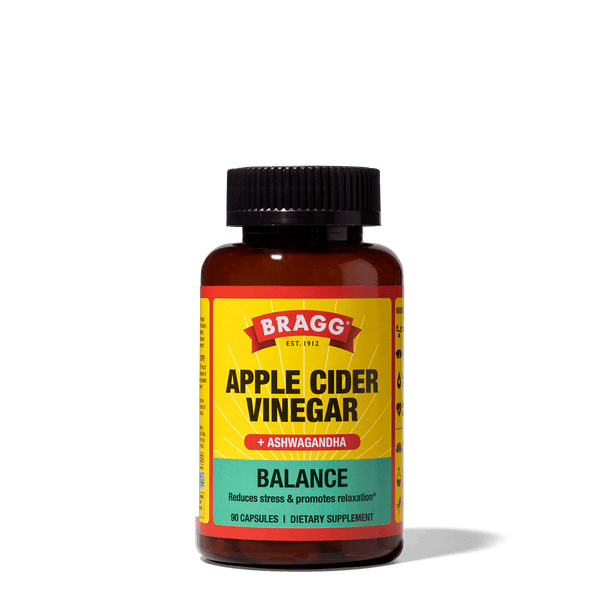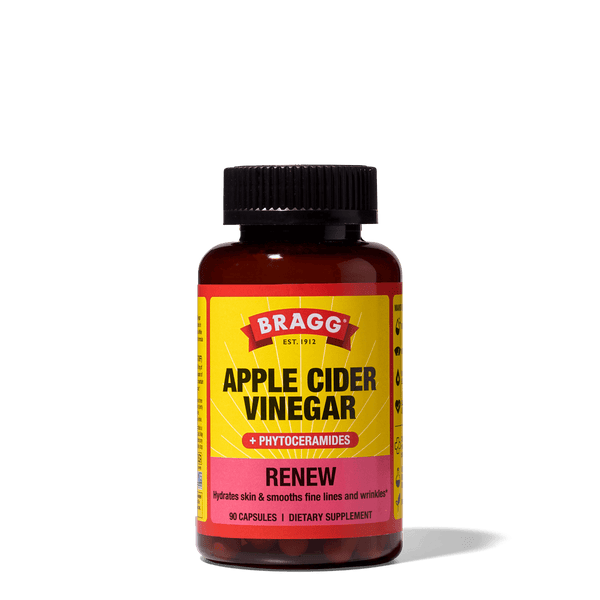
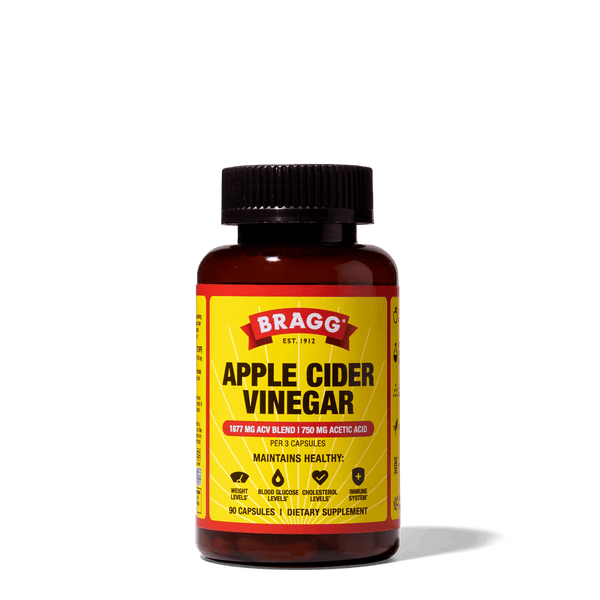



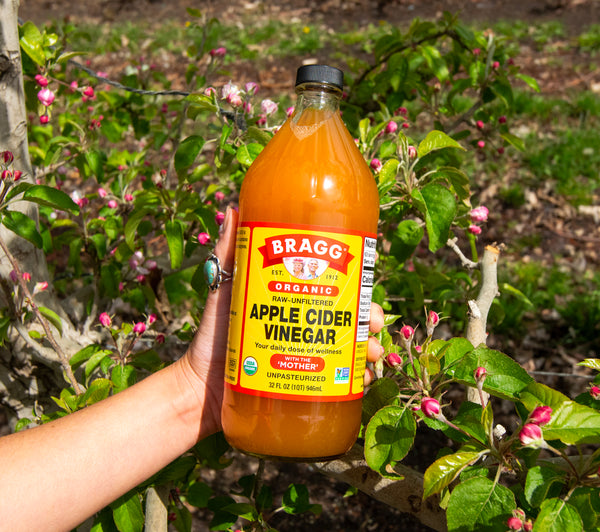






We get it, ACV has a reputation for being both healthy yet a little tart on the taste buds (sigh, I guess nobody can be perfect).
Here’s the thing: ACV is filled with nutritional wellness. The type of wellness that is so good, it’s sustained Bragg® as one of the most trusted wellness brands for over 100 years.
It’s that good.
Yet despite all the ACV’s credentials, its strong flavour poses a barrier for some. In this article, we’ll show you simple ways to make your ACV taste better, including how to use it in food like salad dressings and marinades to enhance flavor and nutrition, so you can have your cake and eat it too.
So… Why Does ACV Taste Like That?
The bold, tangy kick comes from acetic acid, the main compound created when apple cider goes through two natural fermentation steps:
-
Yeast Fermentation: Natural yeasts feast on the crushed apples, turning them into alcohol (that’s your hard cider phase).
-
Acetobacter Creation: Healthy bacteria called acetobacter swoop in and transform that alcohol into vinegar [¹].
The result? A bright, zippy acidity with fruity undertones, a distinctly sour taste due to its high acidity, and a slightly earthy aroma…that’s the flavor powerhouse behind ACV’s zing.
And here’s the thing: raw, unfiltered ACV (like Bragg®’s) gives you the full, authentic flavor profile because we keep the “Mother” intact (the naturally occurring proteins and beneficial bacteria that form during fermentation).
It’s what makes Bragg® ACV legendary…but also why it can taste so intense on its own. In short, if it tastes bad… It’s working.
Looking to learn more about the fermentation process? Check out our article Apple Cider Vinegar - How it is Made and What Makes it so Good?
Why Drink ACV Anyway?
So, before we get into improving the taste, why even bother with it in the first place? Apple cider vinegar isn’t some passing fad; it’s been part of cooking, preserving, and traditional wellness practices around the globe for generations.Just know it’s been researched for some time now, d used for centuries (we’re talking Hippocrates times) [²].
The best part about ACV? It's versatility. You can drink it, use it in cooking, spa days, and foot masks... who knew one bottle could do so much.
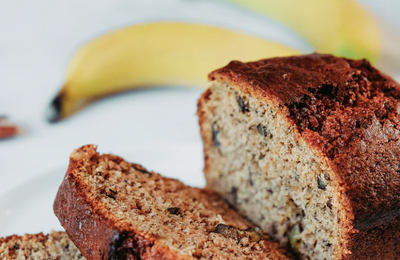
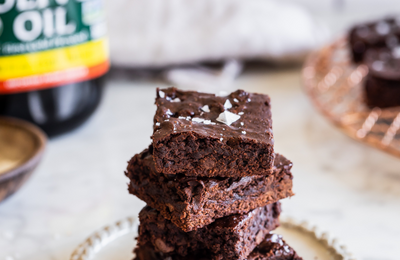
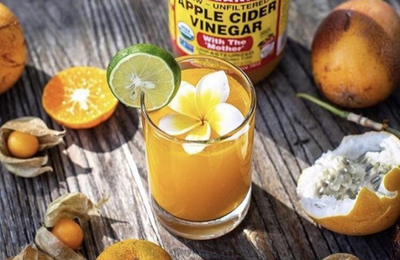
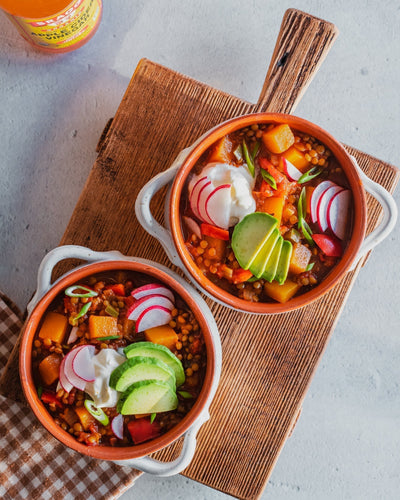
Don’t believe us? Check out our community cookbook here.

How to Make ACV Taste Better
Luckily, we’ve got plenty of ways to tame the tang without losing the goodness:
1. Dilute It
This is probably the easiest way to mellow ACV’s sharpness. Aside from diluting the taste, dilution is also important for safety. Because ACV is acidic, dilution helps make drinking it more comfortable and gentler for your teeth and stomach.
Start small: mix 1 tablespoon of ACV into 8–10 ounces of water or mild herbal tea. The extra liquid softens the acidity, making the flavor far more approachable (especially if you’re new to drinking ACV!).
2. Add Natural Sweetness
Sweetness is not about taking away the taste; it’s about complementing it. A little sweetness can go a long way when balancing ACV’s tang. Try stirring in honey, maple syrup, or agave to round out the flavor and create a smooth, sippable drink. It’s like giving your taste buds a little soft landing.
3. Brighten with Citrus
Don’t sleep on this one.
Much like sweetness, a little zest can help balance ACV’s edge, too. Lemon juice, lime, or even a splash of orange juice can give ACV drinks a fresh, vibrant flavour. In our opinion, citrus pairs beautifully with vinegar’s acidity, creating a flavor combo that tastes intentional, not overpowering.
4. Spice It Up
Want to turn the heat up a notch? Try adding ginger, cinnamon, turmeric, or a pinch of cayenne. Spices bring complexity to the flavor and transform a simple ACV drink into something cozy, energizing, or even a little fiery... perfect for the colder seasons.
5. Make It Fizzy
Nothing says mocktail vibes like bubbles. Mix your ACV with sparkling water for a bright, refreshing sip that feels more like a fancy drink than a wellness chore. Bonus points for garnishes like fresh mint or fruit slices.
6. Pair It in Recipes
If drinking ACV isn’t your thing, let your cooking do the work.
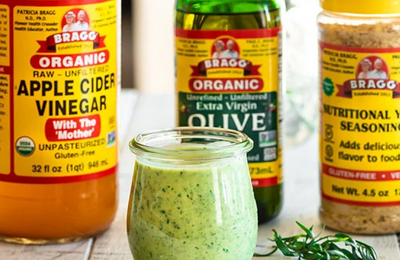
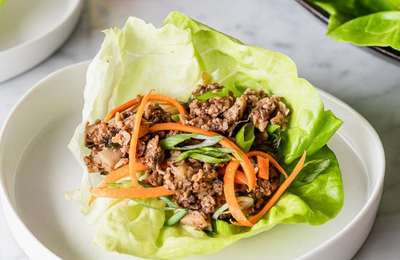
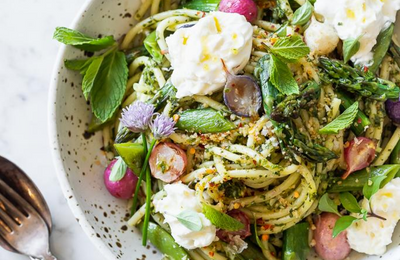
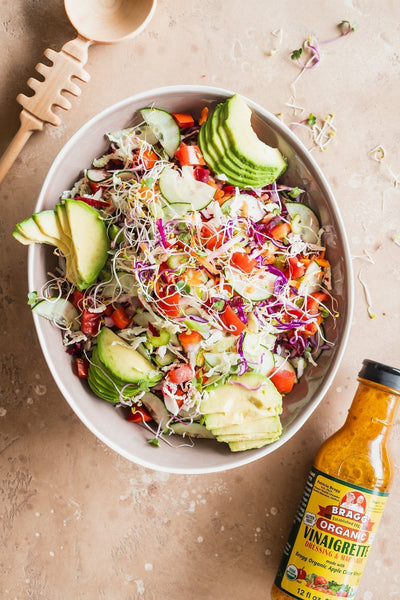
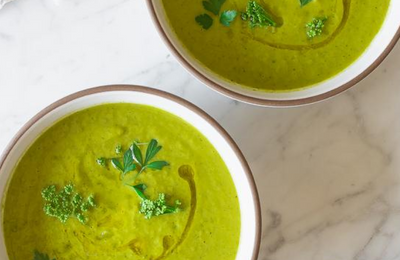
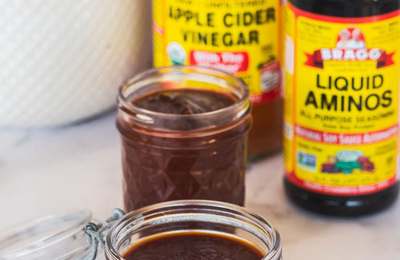
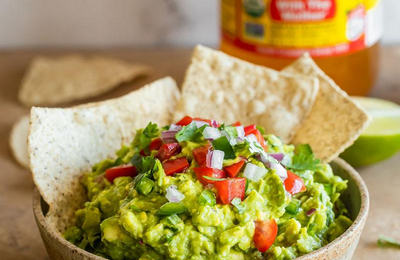
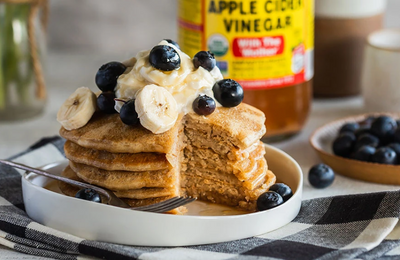
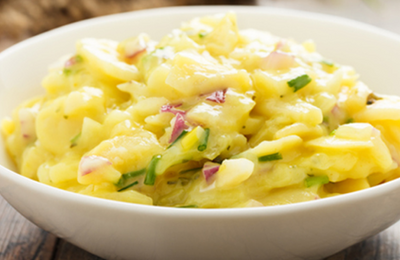
ACV is commonly used in foods such as pickles, sauces, and glazes, adding a tangy note and balancing rich or sweet flavors in salad dressings, marinades, sauces, and glazes, so you still get all the flavor benefits…no puckering required.
You can also combine ACV with other ingredients to enhance the flavor and nutritional value of your recipes.
Or You Could Just Have an ACV Blend…
So you mean to say there’s premixed apple cider vinegar infused with delicious, flavorful ingredients? Well, why didn’t you just say so!
At Bragg®, we’ve truly thought of it all (okay, maybe not all, but our ACV game is pretty strong). Our ACV Blends take the classic Bragg® Apple Cider Vinegar you know and love and mix it with real fruit juices, spices, and natural sweetness for a tangy, ready-to-enjoy twist.
Here’s what makes them so crave-worthy:
-
Pineapple Turmeric: Bright tropical pineapple meets warm turmeric spice for a sweet-tangy kick.
-
Citrus Ginger: A zesty citrus burst balanced with warm, spicy ginger notes.
-
Honey Cayenne: Sweet honey softened by smooth heat and a hint of spice.
-
Honey: Pure sweetness + ACV tang; mellow and friendly for first-time drinkers.
-
Cranberry Apple: Tart cranberry joins crisp apple for a fruity, refreshing combo.
These blends are perfect for:
-
Quick, refreshing mocktails (no extra chopping, squeezing, or stirring).
-
Morning tonics for a flavorful start to the day.
-
Salad dressings and marinades where you want tang and taste in one step.
So instead of DIY’ing your ACV concoctions every time, you can reach for a Bragg® ACV Blend and know it’s organic, raw, unfiltered, and deliciously easy.

Tips for Drinking Apple Cider Vinegar
Before you start shaking up mocktails or drizzling vinaigrettes, keep these simple tips in mind:
-
Always dilute: Straight ACV is strong stuff. Mixing it with water, tea, or juice not only makes it taste better but also helps protect your tooth enamel from acidity.
-
Start small: New to ACV? Begin with a teaspoon and work your way up. Your taste buds (and your stomach) will thank you for the slow intro.
-
Store properly: Keep your ACV in a cool, dark place with the cap tightly sealed. Proper storage and maintaining its acidity help prevent the growth of harmful bacteria, ensuring your ACV stays safe and fresh.
-
Consult your doctor: Always talk to your doctor before starting ACV, especially if you have existing health conditions like kidney disease or high blood pressure. ACV does not have a proven effect on lowering blood pressure and should not be used as a substitute for medical treatment.
Quick FAQs on Apple Cider Vinegar
What is apple cider vinegar, exactly?
A: Crushed apples are fermented in two steps to produce apple cider vinegar, also known as cider vinegar or just apple cider: first to alcohol, and then to vinegar. What’s left after this process is acetic acid, which gives ACV its reputation for wellness.
Is it safe to consume apple cider vinegar on a daily basis?
A: People like to drink apple cider vinegar mixed into drinks like lemon juice tonics or diluted in water. To help preserve tooth enamel, it is best to start with small amounts of apple cider vinegar and always dilute it before drinking.
How is apple cider vinegar used in cooking?
A: People like to use apple cider vinegar in marinades, sauces, and salad dressings in addition to drinking it. It helps flavor fit into a range of healthy lifestyle choices while adding brightness and tang to recipes.
The Last Sip: Taming the Tang Once and for All
See? Apple cider vinegar doesn’t have to be too tart to take…it can actually be a staple with your breakfast, lunch, and dinner. By diluting, sweetening, spicing, or using Bragg® ACV Blends with real fruit juices and spices, you can incorporate ACV into your day without having to make a pucker face.
So go ahead; give it a try. Your taste buds will thank you.