

Nutritional yeast has developed a reputation as the ingredient vegans passionately recommend to everyone within a five-foot radius. And honestly? Once you start cooking with it properly, the enthusiasm makes a lot more sense.
The problem is that most advice around nutritional yeast stops at “sprinkle it on popcorn,” which is not exactly life-changing culinary guidance.
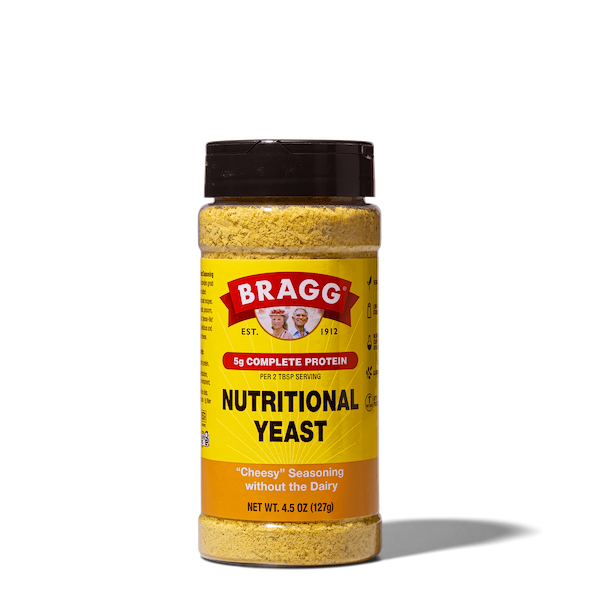
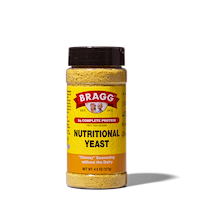
Bragg® Nutritional Yeast works best when it is used intentionally. It adds savory richness and a cheesy note to recipes that need a little more depth. It can help creamy sauces taste fuller, roasted vegetables taste more satisfying, and plant-based meals feel more complete without requiring complicated cooking techniques.
It also provides 5g of protein per 2-tablespoon serving, making it an easy addition to everyday meals that already include ingredients like vegetables, grains, legumes, and other plant-forward staples.
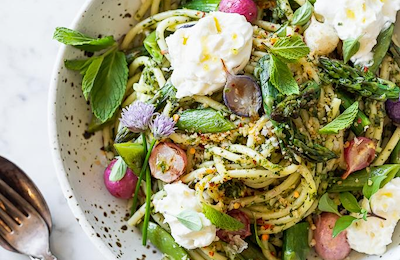
At Bragg®, we think nutritional yeast recipes should feel realistic enough for a Tuesday night, not just aspirational enough for a Pinterest board. This article focuses on easy, everyday ways to use Bragg® Nutritional Yeast in meals people actually make, from pasta to soups that help healthy food taste genuinely delicious.
What Nutritional Yeast Actually Tastes Like
Before getting into nutritional yeast recipes, it helps to understand why people use nutritional yeast in the first place.
Nutritional yeast flakes have a savory, nutty, cheesy flavor that works especially well in vegan cooking and plant-based recipes. Bragg® Nutritional Yeast is made from Saccharomyces cerevisiae, an inactive yeast commonly used in food production and cooking applications [¹].
Its flavor is often described as rich, savory, nutty, and umami-forward, which is why adding nutritional yeast works so well in creamy sauces, soups, pasta, roasted vegetables, popcorn, and salad dressings. Bragg® Nutritional Yeast adds depth and balance to foods that might otherwise taste flat or unfinished.
It is also popular in vegan diets because many nutritional yeast products contain protein and B vitamins, including folic acid, depending on the formulation [²]. If you want a deeper breakdown of what Bragg® Nutritional Yeast is, how it is made, and why it has become such a pantry staple, check out What is Nutritional Yeast and What is it Used For?
Nutritional Yeast Recipes for Creamy Sauces and Cheese Sauce
One of the easiest ways to use nutritional yeast is in creamy sauces and cheese sauce recipes.
Bragg® Nutritional Yeast works especially well when blended with ingredients like cashews, coconut milk, lemon juice, garlic powder, onion powder, olive oil, vegan butter, and spices. The combination creates a creamy texture and savory flavor that works beautifully in vegan mac, pasta sauces, queso, and grain bowls.
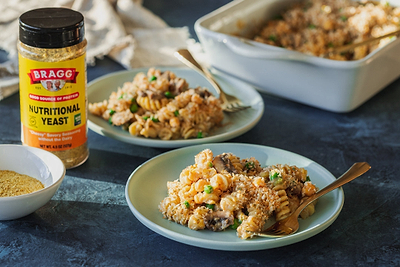
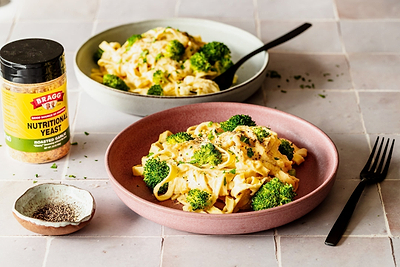
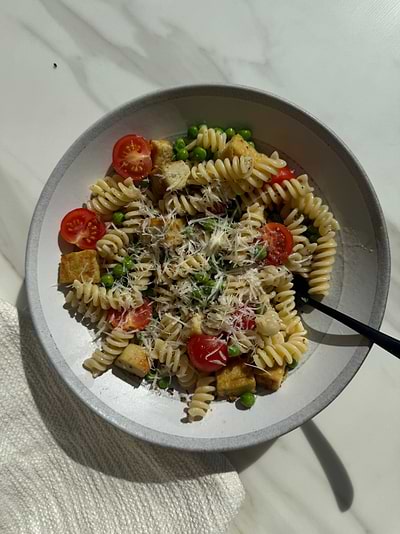
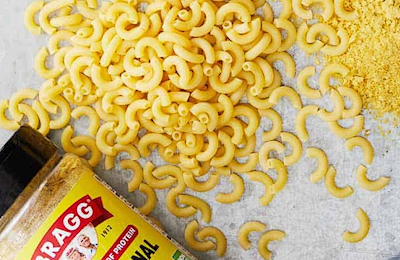
In vegan mac recipes, Bragg® Nutritional Yeast helps create the cheesy flavor people expect from traditional cheese sauce while adding savory depth to the sauce itself. Blending nutritional yeast with cashews, lemon juice, garlic, and coconut milk creates a creamy sauce that coats pasta well and feels rich without becoming overly heavy.
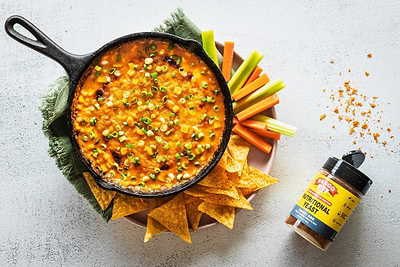
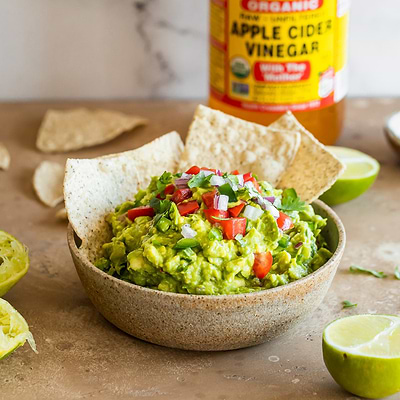
It also works well in queso-style recipes because it pairs naturally with chili powder, pico de gallo, cauliflower, garlic, and spices. The result is a creamy, savory sauce that works well for veggies, baked potatoes, grain bowls, tacos, and chips.
Want to try it yourself? Start with:

Adding Nutritional Yeast to Roasted Vegetables, Soups, and Pasta
Some of the best nutritional yeast recipes are also the simplest.
Adding Bragg® Nutritional Yeast to roasted vegetables, soups, pasta, or grain bowls can instantly add more savory flavor and richness without overcomplicating the meal.
Bragg® Nutritional Yeast works especially well on roasted cauliflower, broccoli, sweet potatoes, and carrots because roasting naturally brings out deeper, sweeter flavors in vegetables. The cheesy flavor from nutritional yeast helps balance that caramelization while adding extra savory depth.
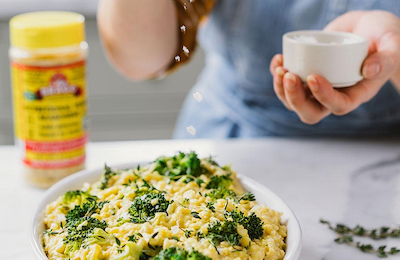
A little nutritional yeast added after roasting usually works best because it helps preserve the flavor and texture.
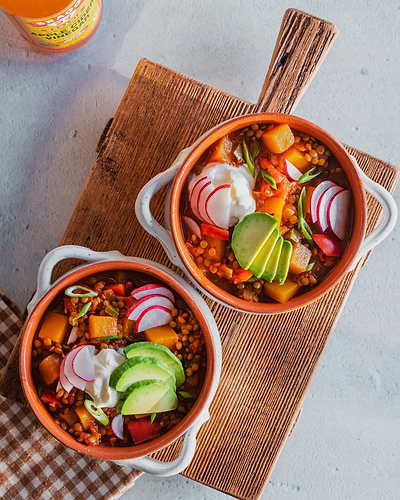
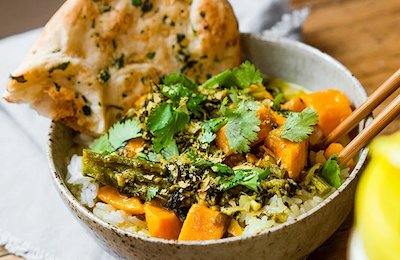
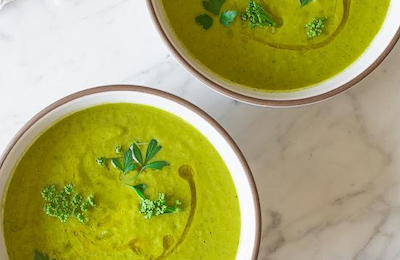
It is also excellent in creamy soup recipes because it helps create a richer, fuller flavor without requiring shredded cheese or heavy cream. It works especially well in mushroom soup, butternut squash soup, potato soup, and green vegetable soups where savory flavor helps balance brighter ingredients.
Try:
Nutritional Yeast Recipes for Popcorn and Everyday Snacks
Let’s address the popcorn situation because, yes, nutritional yeast on popcorn actually deserves the hype.
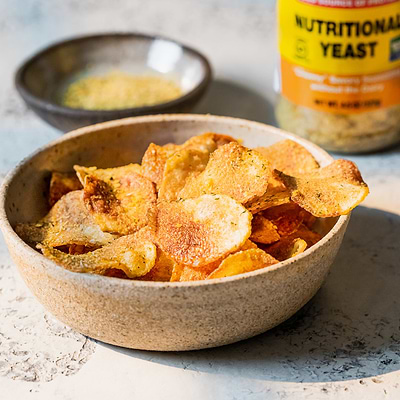
Popped popcorn tossed with olive oil, Bragg® Nutritional Yeast, salt, garlic powder, onion powder, and spices becomes one of those snacks that disappear faster than expected. Nutritional yeast gives popcorn a buttery flavor and cheesy finish while helping the seasoning stick more evenly.
If you are a huge fan of savory snacks, try mixing nutritional yeast with chili powder, smoked paprika, truffle oil, sunflower seeds, or your favorite spices for easy popcorn seasoning blends.
Bragg® Nutritional Yeast also works well in trail mix recipes, roasted chickpeas, crackers, baked potatoes, and snack mixes where you want a little more savory flavor without adding complicated ingredients.
Want to try it? Start with Bragg® Vegan Cheesy Herb Crackers.
Use Nutritional Yeast in Tofu Scramble and Scrambled Eggs
One of the most practical ways to use nutritional yeast every day is in breakfast recipes.
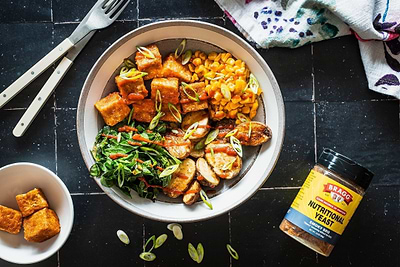
Bragg® Nutritional Yeast works great in tofu scramble because it adds savory flavor and richness that helps tofu feel more satisfying and complete. It pairs naturally with garlic, onion powder, turmeric, vegetables, and spices often used in plant-based breakfast recipes.
It can also be added to scrambled eggs for extra savory depth and flavor layering. Even a little nutritional yeast stirred into eggs, breakfast potatoes, or breakfast bowls can help add umami and richness without overpowering the dish.
For many people following a vegan diet or simply incorporating more plant-based meals into their routines, nutritional yeast becomes less of a specialty ingredient and more of an everyday cooking staple.
Plant-based eating patterns are often associated with higher intake of vegetables, legumes, whole grains, and fiber-rich foods that support overall diet quality [³].
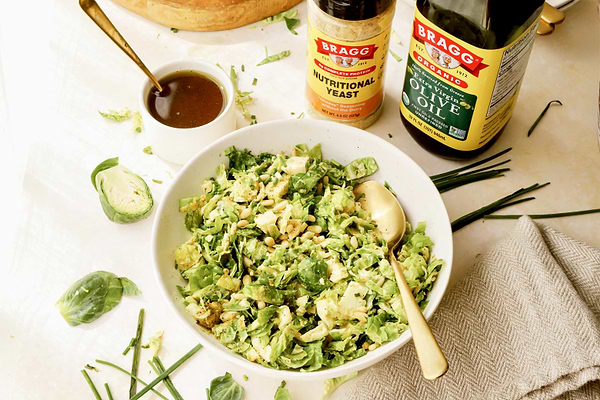
Salad Dressings, Grain Bowls, and Everyday Flavor Boosters
Bragg® Nutritional Yeast also shines in salad dressings and sauces.
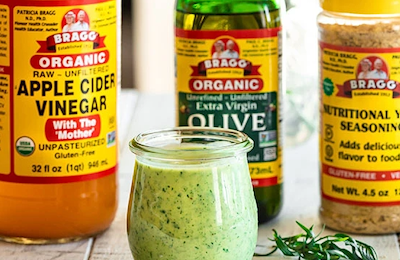
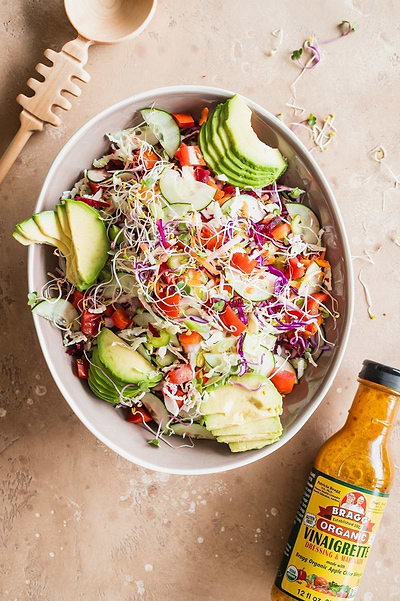
Blending Bragg® Nutritional Yeast into salad dressings with lemon juice, olive oil, garlic, spices, or even a splash of soy sauce can help create a richer, more balanced flavor profile. It works particularly well in creamy dressings because it naturally helps add umami and savory flavor.
That extra flavor matters because healthy eating becomes much easier when vegetables, grains, pasta, and plant-based meals taste genuinely good.
Want inspiration? Try:
Common Mistakes People Make With Nutritional Yeast
Bragg® Nutritional Yeast is easy to use, but there are a few reasons people try it once and never touch the container again.
Usually, it comes down to balance.
Using Too Much at Once
Adding too much Bragg® Nutritional Yeast at once can overwhelm a recipe instead of adding savory flavor. A good starting point is about 1 tablespoon per serving, then adding more to taste depending on the dish.
Bragg® Nutritional Yeast works best when paired with ingredients like olive oil, garlic, lemon juice, salt, butter or vegan butter, and spices that help round out the flavor. Starting small allows you to build flavor gradually and find the balance that works best for your recipe.
Expecting It to Taste Exactly Like Cheese
Another common mistake is expecting Bragg® Nutritional Yeast to taste exactly like Parmesan cheese. While nutritional yeast has a cheesy flavor and naturally adds umami [⁴], it works best when used as its own ingredient rather than as a direct one-to-one cheese substitute.
Forgetting About Balance
Bragg® Nutritional Yeast shines most when the rest of the recipe already has strong flavor foundations. Roasted vegetables, garlic, onion powder, lemon juice, creamy sauces, and savory ingredients all help nutritional yeast add richness, depth, and balance to recipes rather than compete with them.
Nutritional Yeast Works Best When It Is Part of Real Cooking
One reason Bragg® Nutritional Yeast has become such a popular pantry ingredient is that it works well across so many different cooking styles.
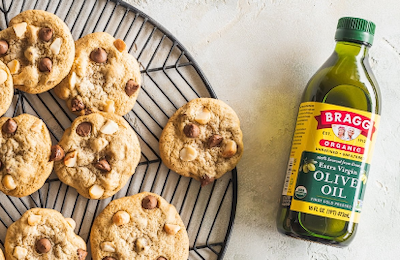
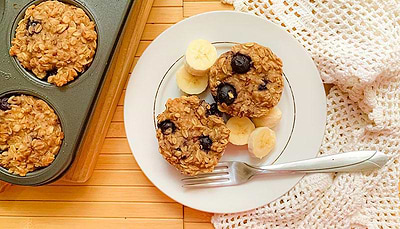
You can use Bragg® Nutritional Yeast in pasta, soups, salad dressings, popcorn, roasted vegetables, tofu scramble, sauces, grain bowls, baked goods, and in creamy vegan recipes without complicated techniques or specialty equipment.
And unlike some trendy ingredients that end up forgotten in the back of the pantry, nutritional yeast tends to stick around because it is genuinely practical.
At Bragg®, we believe healthy food should taste comforting, flavorful, and realistic enough to make again tomorrow. Our Bragg® Nutritional Yeast recipes are not about trying to “replace” foods people love. They are about adding flavor, richness, and versatility to everyday cooking in ways that feel approachable, satisfying, and genuinely delicious.