



The world's longest-living cultures don't follow a diet plan; they follow a pattern.
If you walked into the kitchens of some of the world's healthiest cultures, you probably wouldn't find restrictive meal plans or the latest wellness trend.
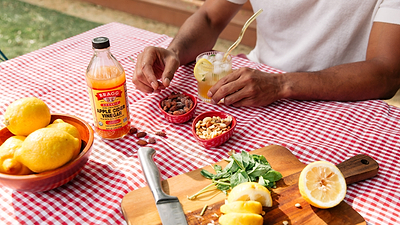
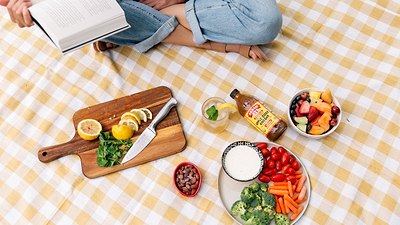
Instead, you'd find bottles of extra virgin olive oil, bowls of whole grains, baskets of fresh vegetables, plates filled with leafy greens, fatty fish, black beans, fermented foods, nuts, seeds, and simple meals shared with family and friends.
Different countries. Different traditions. Remarkably similar dietary patterns.
Researchers have spent decades studying these communities because, despite living oceans apart, many of the world's longest-living populations were found to share strikingly similar dietary patterns and lifestyle habits [1].
At Bragg®, that feels remarkably familiar.
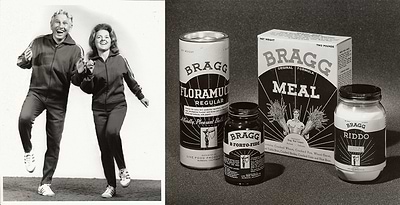
Since 1912, we've believed that vibrant living starts with mindful nourishment, whole, plant-foraward eating, and daily support and balance. Long before people started talking about diets that promote longevity, we were encouraging many of the same principles: eat more whole foods, cook at home, embrace plant-forward meals, and enjoy food that brings people together.
Let's pull up a chair.
The World's Longest-Living Cultures Build Their Meals Around Real Food
You may have heard of the Blue Zones.
Regions of the world where unusually high numbers of people live into their 90s and beyond. While researchers continue to discuss the demographic details of these populations, one thing remains remarkably consistent: many traditional eating patterns around the world share similar characteristics, regardless of geography [1].
One of the biggest surprises is how ordinary the food looks. There aren't magic ingredients hiding in these kitchens.
Instead, meals are built around familiar foods that appear again and again throughout the week. Dan Buettner's analysis of 154 dietary surveys across the world's five Blue Zones found that 95% of centenarians in these regions ate a plant-based diet, with beans as a near-daily staple [2].
Rather than chasing perfection or searching for one "superfood," these cultures build their meals around simple ingredients they enjoy eating day after day. That's a pattern researchers continue to associate with healthy aging, and it's something every kitchen can borrow.
Olive Oil Isn't Just an Ingredient...It's a Way of Cooking
If one food represents the Mediterranean diet, it's olive oil. Not just occasionally. Daily.
It's drizzled over vegetables, tossed with salads, stirred into grain bowls, and used to prepare countless family meals. More importantly, it provides one of the primary sources of healthy fats in Mediterranean eating patterns.
Large human studies and randomized controlled trials have consistently associated dietary patterns rich in extra virgin olive oil with better heart [3] and brain health [4], lower heart disease risk, and support for long-term cardiovascular wellness when consumed as part of a balanced diet.
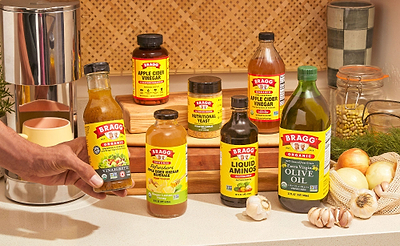
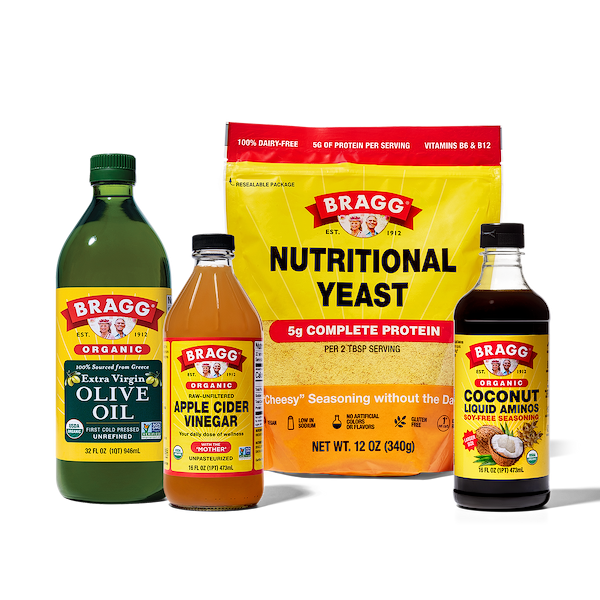
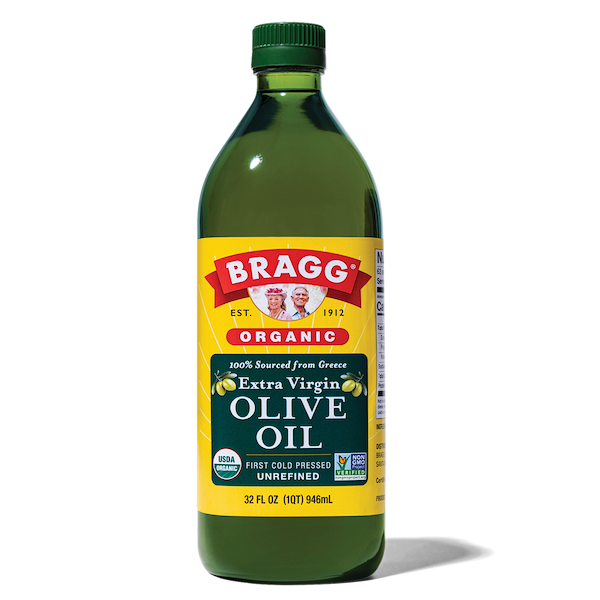
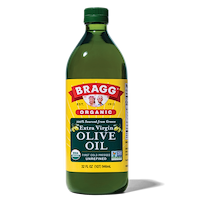
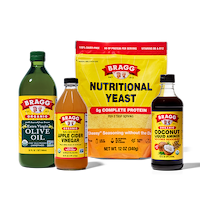
At Bragg®, that's why our Organic Extra Virgin Olive Oil is designed for everyday cooking, not just special occasions. Whether you're roasting vegetables or finishing a salad, it's one simple ingredient that helps make healthy meals feel satisfying.

Whole Grains Show Up at Nearly Every Table
Another common thread?
These cultures don't avoid carbohydrates; they simply choose them differently.
Foods like brown rice, oats, barley, quinoa, and whole wheat bread provide lasting energy alongside naturally occurring fiber and nutrients. Research has consistently associated eating more whole grains with a lower risk of heart disease, cardiovascular disease, and several other chronic diseases as part of an overall healthy diet [5], [6].
The lesson isn't to fear carbohydrates. It's about choosing the ones that have nourished people for generations.
Plants Take Center Stage
Walk through a farmers' market in Crete. Visit a family table in Okinawa. Explore traditional meals throughout Sardinia...You'll notice something almost immediately.
Plants aren't an afterthought; they're the foundation. Vegetables, fruit, legumes, herbs, nuts, seeds, and plant-based foods naturally fill most of the plate.
The world's healthiest cultures don't wait for January to eat vegetables. They enjoy them year-round. Spinach. Kale. Swiss chard. Cabbage. Colorful bell peppers. Fresh herbs...you name it.
Dark leafy greens like spinach and kale naturally provide fiber, vitamin A, and polyphenols, a category of plant compounds that contribute to overall health [7]. Researchers continue to associate eating more vegetables and plant foods with a lower risk of many chronic conditions, making them one of the simplest ways to support healthy aging [8].
Beans Quietly Do a Lot of Heavy Lifting
Adequate protein intake also becomes increasingly important for older adults, since protein helps preserve muscle mass during the normal aging process [9]. Sometimes the simplest pantry staples do the most work.
Black beans, lentils, chickpeas, and other legumes have anchored traditional meals for centuries. They provide fiber alongside plant-based protein, helping create satisfying meals that fit naturally into a balanced diet.
Healthy Fats Have Been on the Menu for Generations
For years, dietary fat got a bad reputation. Yet when researchers study many of the world's healthiest populations, they don't find that low-fat diets are common.
They find better fats.
Rather than relying heavily on foods high in saturated fats, many healthy eating patterns emphasize foods naturally rich in unsaturated fats, including olive oil, fatty fish, avocados, and nuts and seeds [10].
The goal isn't to eliminate fat. It's choosing the kinds of fats that fit into an overall healthy diet.
Fatty Fish Brings More Than Flavor
From the Mediterranean coastline to Japan, fatty fish regularly appear on the menu.
Salmon, sardines, trout, anchovies, and mackerel naturally provide omega-3 fatty acids, which have been extensively studied for their role in heart health [11].
Most importantly, these foods aren't treated as medicine. They're simply dinner. That's one reason researchers believe these eating patterns are so sustainable.
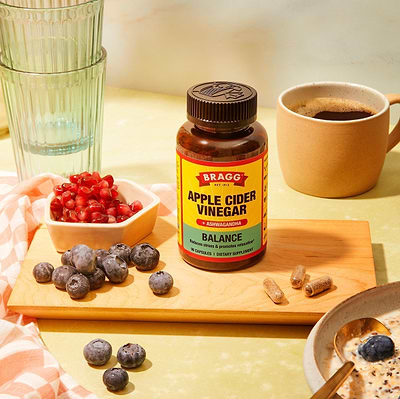
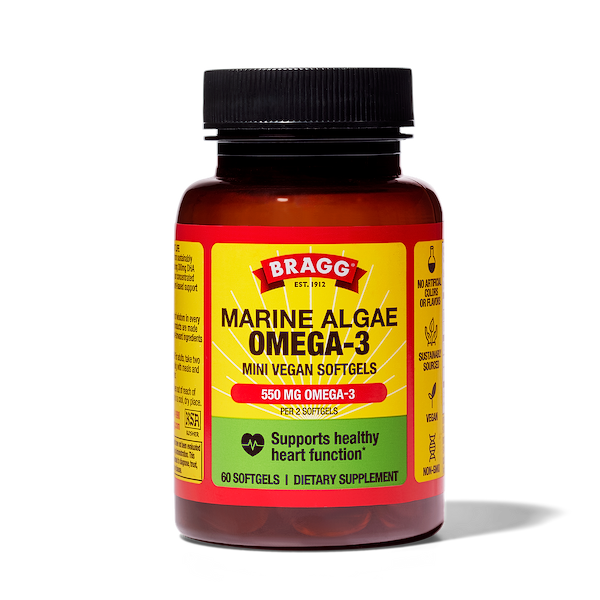
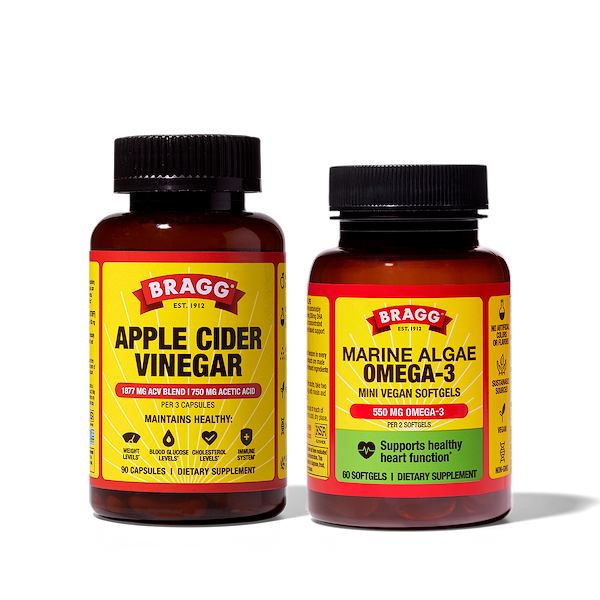
For those following a plant-based eating pattern or who don't regularly eat fatty fish, Bragg® Vegan Omega-3 can complement a balanced routine by providing a plant-based source of omega-3 fatty acids alongside healthy eating habits.
Fermented Foods Have Been Around Long Before Wellness Trends
Fermented foods may be trending today, but they've been part of traditional cooking for centuries.
Long before refrigeration, fermentation helped preserve food, enhance flavor, and reduce waste. Today, cultures around the world continue to enjoy fermented foods like kimchi, miso, yogurt, sauerkraut, tempeh, and naturally fermented vinegars as part of everyday meals. These foods naturally contain probiotics, live cultures that have been associated with supporting a healthy gut microbiome, easier digestion, and a well-functioning immune system [12].
Fermentation Is Part of Bragg's Story, Too
Fermentation isn't a new discovery at Bragg®. It's where our story began.
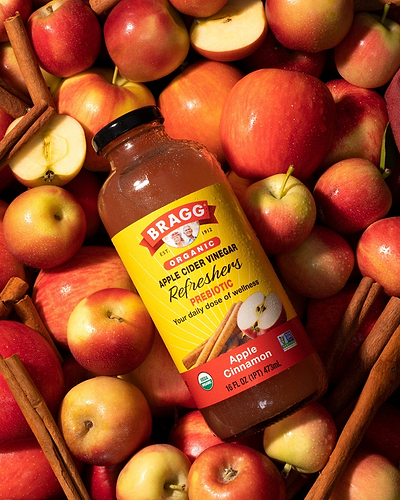
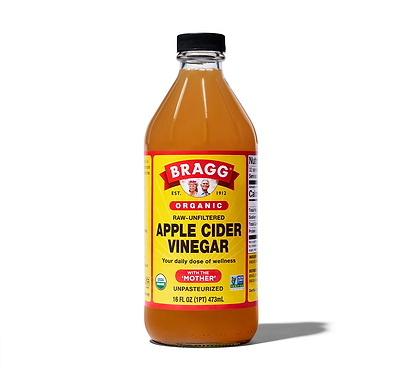
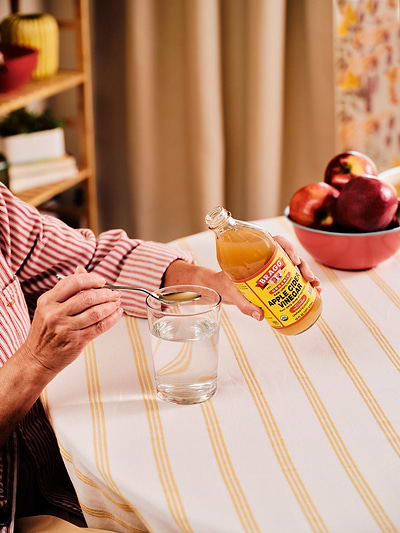
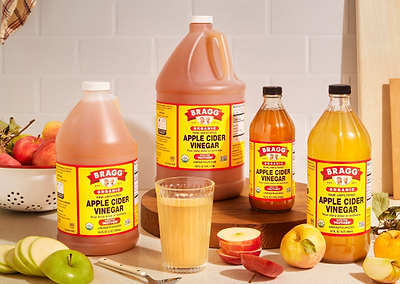
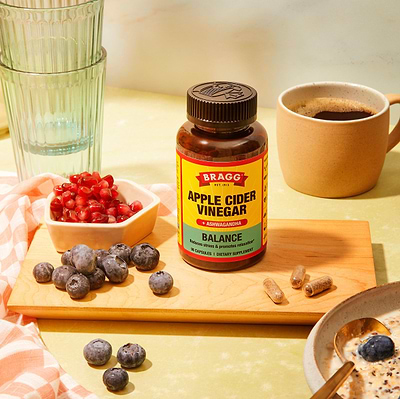
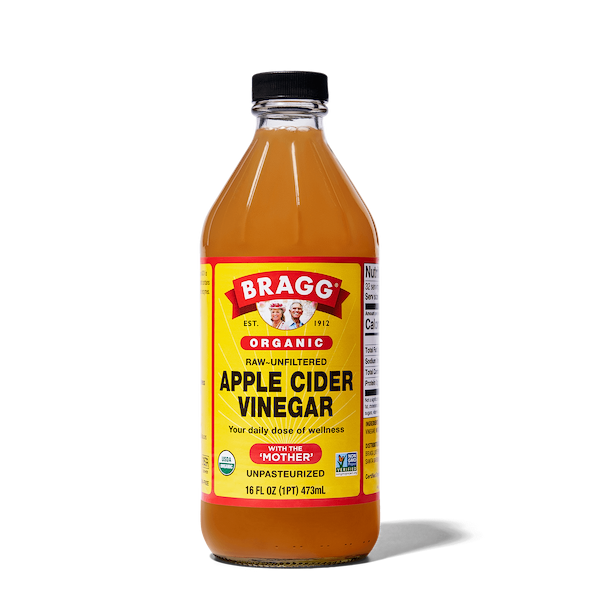
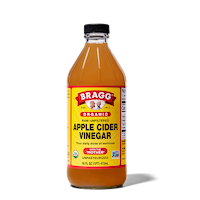
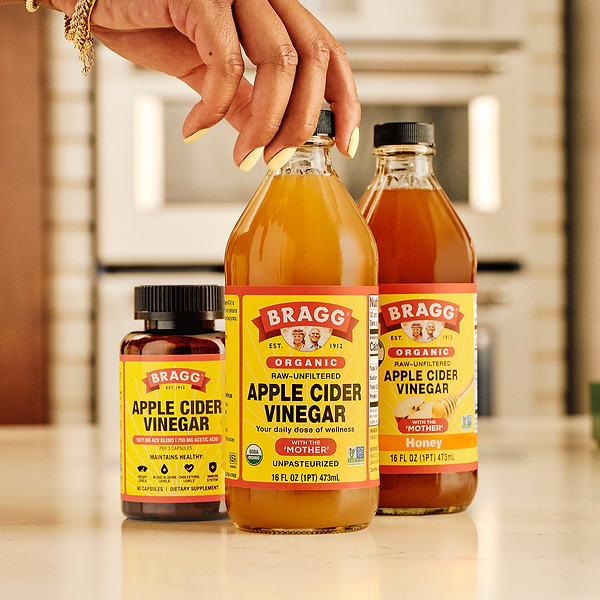
Since 1912, Bragg® Apple Cider Vinegar has been made through natural fermentation using organic apples. While no single food defines a diet that promotes longevity, naturally fermented pantry staples have long been part of the simple, wholesome approach to eating that Bragg has championed for generations.
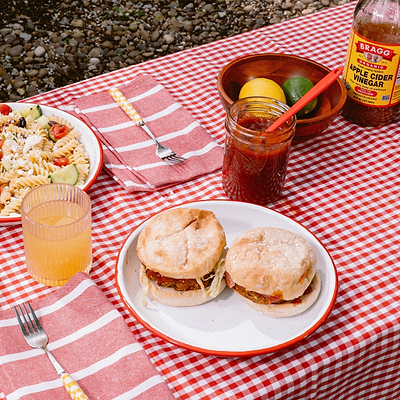
We love using Bragg® Apple Cider Vinegar in homemade dressings, vegetable marinades, grain bowls, and even a simple splash over roasted vegetables. It's one of those versatile pantry ingredients that make healthy cooking easier, not more complicated.
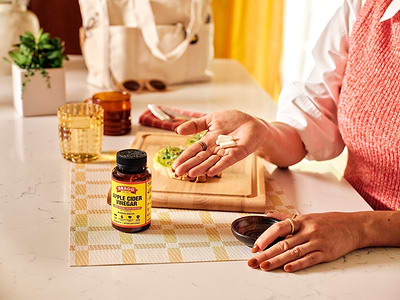
Looking for inspiration? Try one of these Bragg® favorites, where a splash of Apple Cider Vinegar adds bright, balanced flavor to everyday meals:
- ACV Guacamole: bright, zesty avocado dip made with Bragg® ACV, lime, and cilantro
- Citrus Ginger Pickled Vegetables: a tangy summer side using Bragg® ACV as the pickling base
- Apple Cider Vinegar & Honey BBQ Sauce: a grilling-season staple with a sweet-tangy kick
- Fire Cider: a spiced ACV tonic with ginger, horseradish, and turmeric
Flavor Is Part of Healthy Eating, Too
Healthy eating shouldn't taste like a compromise.
That's why so many traditional cuisines rely on herbs, spices, garlic, citrus, and naturally savory ingredients to make vegetables and grains something people genuinely enjoy.
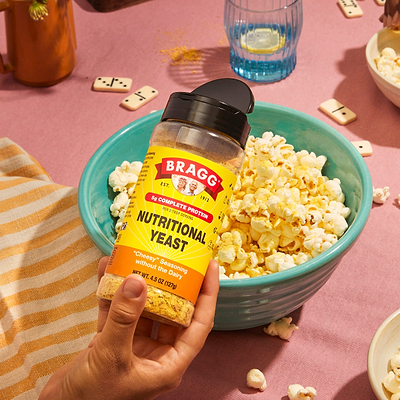
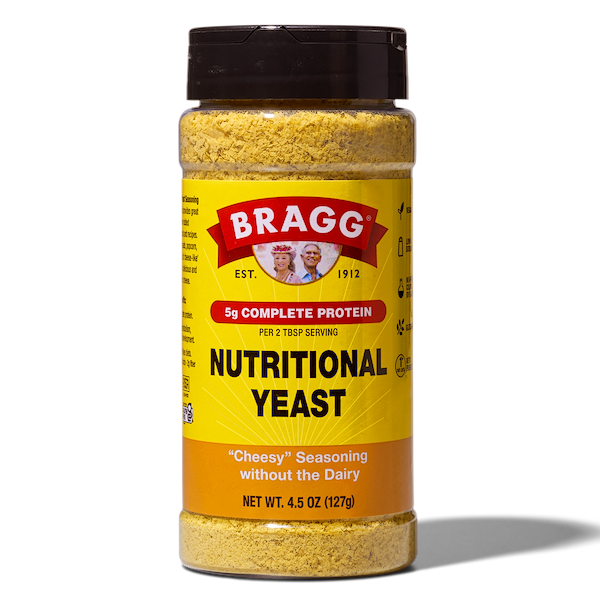
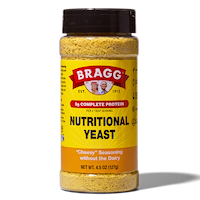
One easy way to add that same savory depth at home is with Bragg® Nutritional Yeast. It's naturally cheesy, umami-rich flavor makes roasted vegetables, soups, pasta, popcorn, and grain bowls even more satisfying while fitting beautifully into plant-based meals.
Healthy Habits Beat Perfect Diets
One thing longevity research rarely supports is the idea that there's a single perfect meal.
Researchers studying the world's longest-living populations describe habits that remain steady for decades, not restrictive phases or short-term resets, just the same simple foods, eaten the same simple way, year after year [1].
Instead, they eat. They move. They gather. And they repeat. Day after day, year after year.
Why This Feels So Familiar at Bragg®
Long before researchers began studying many of today's longevity eating patterns, Bragg was encouraging people to fill their kitchens with simple, wholesome ingredients.
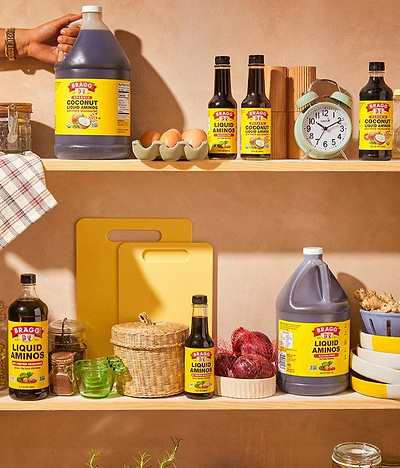
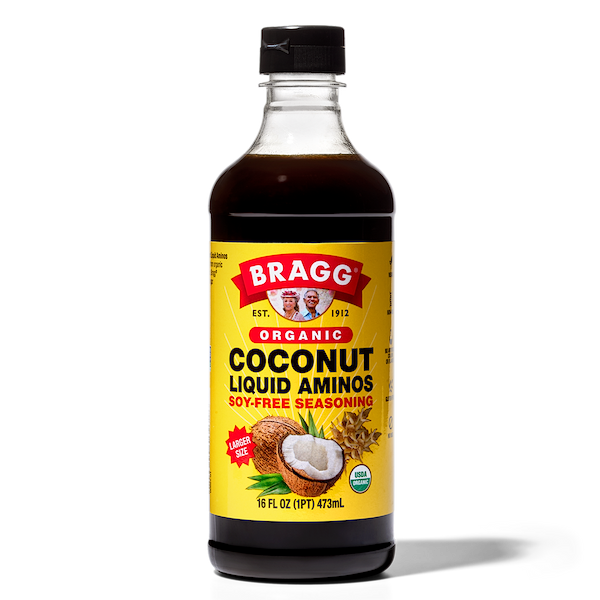
Our philosophy has always centered on mindful nourishment, vibrant living, and building meals around foods you genuinely enjoy. That might mean drizzling Bragg® Organic Extra Virgin Olive Oil over roasted vegetables, whisking Bragg® Apple Cider Vinegar into a homemade dressing, seasoning a grain bowl with Bragg® Liquid Aminos, sprinkling vegetables with Bragg® Nutritional Yeast, or complementing a balanced routine with Bragg® Vegan Omega-3.
None of these products is meant to replace healthy eating. They simply make it easier (and more delicious) to practice it consistently. As our Bragg Wellness Council often reminds us, vibrant living isn't built through perfection. It's built through small, intentional choices repeated over time.

The Bottom Line on Foods for Longevity
There isn't one magical food for longevity, and there probably never will be.
Instead, a diet that promotes longevity is really a collection of everyday choices. Choosing real food more often. Cooking at home. Sharing meals with people you love. Filling your pantry with ingredients that make healthy eating something you actually look forward to.
At Bragg®, we've believed that for more than a century. And if history has taught us anything, it's that some of the best wellness advice isn't new. Sometimes it's simply worth returning to the table.
Sources
- https://pmc.ncbi.nlm.nih.gov/articles/PMC6125071/
- https://www.ncbi.nlm.nih.gov/books/NBK298903/
- https://www.acc.org/about-acc/press-releases/2022/01/10/18/46/higher-olive-oil-intake-associated-with-lower-risk-of-cvd-mortality
- https://pmc.ncbi.nlm.nih.gov/articles/PMC11074805/
- https://pmc.ncbi.nlm.nih.gov/articles/PMC4908315/
- https://pubmed.ncbi.nlm.nih.gov/30638909/
- https://pmc.ncbi.nlm.nih.gov/articles/PMC5532561/
- https://pubmed.ncbi.nlm.nih.gov/25073782/
- https://pubmed.ncbi.nlm.nih.gov/23867520/
- https://pubmed.ncbi.nlm.nih.gov/28620111/
- https://link.springer.com/article/10.1186/s43094-024-00667-5#Sec2
- https://pmc.ncbi.nlm.nih.gov/articles/PMC9003261/