



If you’ve ever wandered the supplement aisle or scrolled through pages of online options, you know the labels can feel like they're in a different language. From multivitamins to adaptogens to probiotics, the choices are endless, and every label seems to promise more than the last. It’s no wonder so many people walk away more confused than when they started.
Here’s the truth: supplements aren’t magic bullets or one-size-fits-all fixes. They’re exactly what the name suggests…supplements. A way to support what you’re already doing with food, movement, rest, and stress management. When chosen wisely, they can help fill gaps, add convenience, and make it easier to stick to a wellness routine that feels right for you.
In this guide, we’ll walk you through the basics: what supplements are (and what they’re not), how to know which ones you actually need, and what separates high-quality products from the ones that don’t live up to the hype.
Along the way, we’ll highlight the Bragg® difference, clean formulations, time-tested processes, and a century-long commitment to helping people live more vibrantly.
Because at the end of the day, supplements should simplify your life, not complicate it.
Table of Contents
- What Are Supplements?
- How Are Supplements Regulated?
- Do You Really Need Supplements?
- How to Spot High-Quality Dietary Supplements
- Common Types of Supplements (and What They’re For)
- How to Evaluate Your Supplement Needs
- Supplement Spotlights: What People Actually Take (and Why)
- What Makes Bragg® Supplements Different
- Red Flags: How to Spot Supplements That Don’t Work
- Building Your Supplement Routine: Practical Tips That Stick
- Supplements vs. Whole Foods: Finding the Balance
- Supplement Myths (and the Truths Behind Them)
- How to Read a Supplement Label (Without Needing a PhD)
- Making Supplements Work for You
- Sources
What Are Supplements?
First things first: what exactly counts as a supplement?
As FDA’s Dr. Cara Welch puts it, “dietary supplements are vitamins, minerals, botanicals, probiotics, and similar products that consumers take to supplement their diet... often to support or maintain a healthy lifestyle.”
These products come in many forms, such as capsules, tablets, gummies, powders, and liquids, but critically, they must be ingested. “A topical or inhaled product is not a dietary supplement.” [¹].
That covers a lot of ground. That means a multivitamin is a supplement. So is fish oil. So are botanicals like ashwagandha and probiotics…
But here’s what they all have in common: supplements are meant to support your diet, not replace it.
They aren’t medications, they don’t treat or cure diseases, and they shouldn’t be used as a substitute for balanced meals, exercise, and other cornerstones of wellness [²].
How Are Supplements Regulated?
It’s easy to see how confusion happens. Marketing can blur the lines between supplements and medicine (we get it, some ads really make it sound like your multivitamins are so good they can also file your taxes).
A key difference between supplements and medicine? Regulation.
FDA regulation frames supplements under the Dietary Supplement Health and Education Act (DSHEA), which treats them “as a category of foods” rather than medicines. That means “FDA does not approve dietary supplements or their product labeling before they are sold to the public." [³]
Because supplements are treated as foods, FDA oversight generally happens after they’re already on shelves. Regulations include inspections, label monitoring, oversight of adverse-event reports, and evaluation of new dietary ingredient notifications. [⁴]
A Bragg®-worthy Tip: Think of supplements as part of your wellness toolkit. They’re not the whole toolbox, but the right ones can make the job a lot easier.
Do You Really Need Supplements?
Here’s the thing about supplements: not everyone needs them, and not every supplement is right for everyone.
The key is knowing why you’re reaching for that bottle in the first place. Are you trying to cover nutritional gaps? Seeking targeted support for energy, stress, or digestive issues? Or just curious because TikTok told you it was “life-changing”? We’ve all been there.
Before starting any supplement, it's important to seek proper medical care and consult with health professionals who can provide personalized advice based on your individual needs and health conditions.
Start with Your Diet, Not the Aisle
Most nutrients your body needs should come from food. Whole foods provide not just vitamins and minerals, but also fiber, antioxidants, and plant compounds that supplements alone can’t fully replicate [⁵].
Whole grains are an important source of dietary fiber and essential nutrients, so it’s best to include them in your diet before considering supplements. That’s why health authorities recommend building a balanced diet first, and then using supplements to “fill the gaps” rather than replace meals [⁶].
In short, think of supplements like a safety net. Useful if you’re missing something, but not meant to replace the tightrope itself.
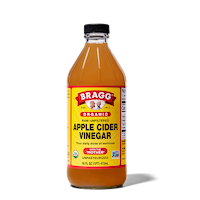
Curious how ACV fits into a food-first approach? Check out our Ultimate Guide: What is Apple Cider Vinegar? blog for a smart breakdown of how to integrate this classic ingredient into your meals and routines
When Supplements Might Make Sense
That said, there are plenty of situations where supplements are a smart addition:
Nutrient Gaps in Your Diet
Even with the best intentions, most adults don’t hit the recommended daily intake for things like fiber, vitamin D, or omega-3s. Supplements can help fill in those shortfalls.
For example, if you’re on a plant-based diet? A B12 supplement can be crucial. This is because animal products are a natural source of vitamin B12, so those avoiding them may need supplements [⁷].
Life Stages
What your body needs evolves with your age, gender, and lifestyle. For example, older adults may need more vitamin B12, and women of childbearing age may need folate [⁸]. And for any growing kids skipping calcium-rich foods or fortified foods, supplements can help pick up the slack when they don’t feel like picking up the milk.
Lifestyle or Environment
While most nutrients are found naturally in foods, supplements step in to fill the gaps when your plate (or the weather) falls short. For example, vitamin D supplements are often recommended if you’re not getting much sunshine... and don’t feel like eating 10 oranges a day.
What Supplements Can’t Do
Supplements can support your wellness, but they can’t outsmart an overall unhealthy lifestyle.
No capsule can undo chronic stress, a lack of sleep, or an unbalanced diet. And they definitely don’t “cure” conditions (that’s not what they’re designed for). If you see claims that sound too good to be true, “melt fat overnight!” or “erase wrinkles instantly!”, trust your gut and steer clear.
A Bragg®-worthy Tip: Before adding a supplement, take stock of your daily habits. A consistent bedtime, a colorful plate, and regular movement might give you more energy than any pill ever could. Then, layer in supplements where they make sense.
The Bragg® Perspective
At Bragg®, we consider supplements part of the bigger picture. They’re not a quick fix, but they can help make wellness more accessible and consistent. Especially when you’re busy, traveling, or just not eating perfectly (because, let’s face it, no one does 100% of the time).
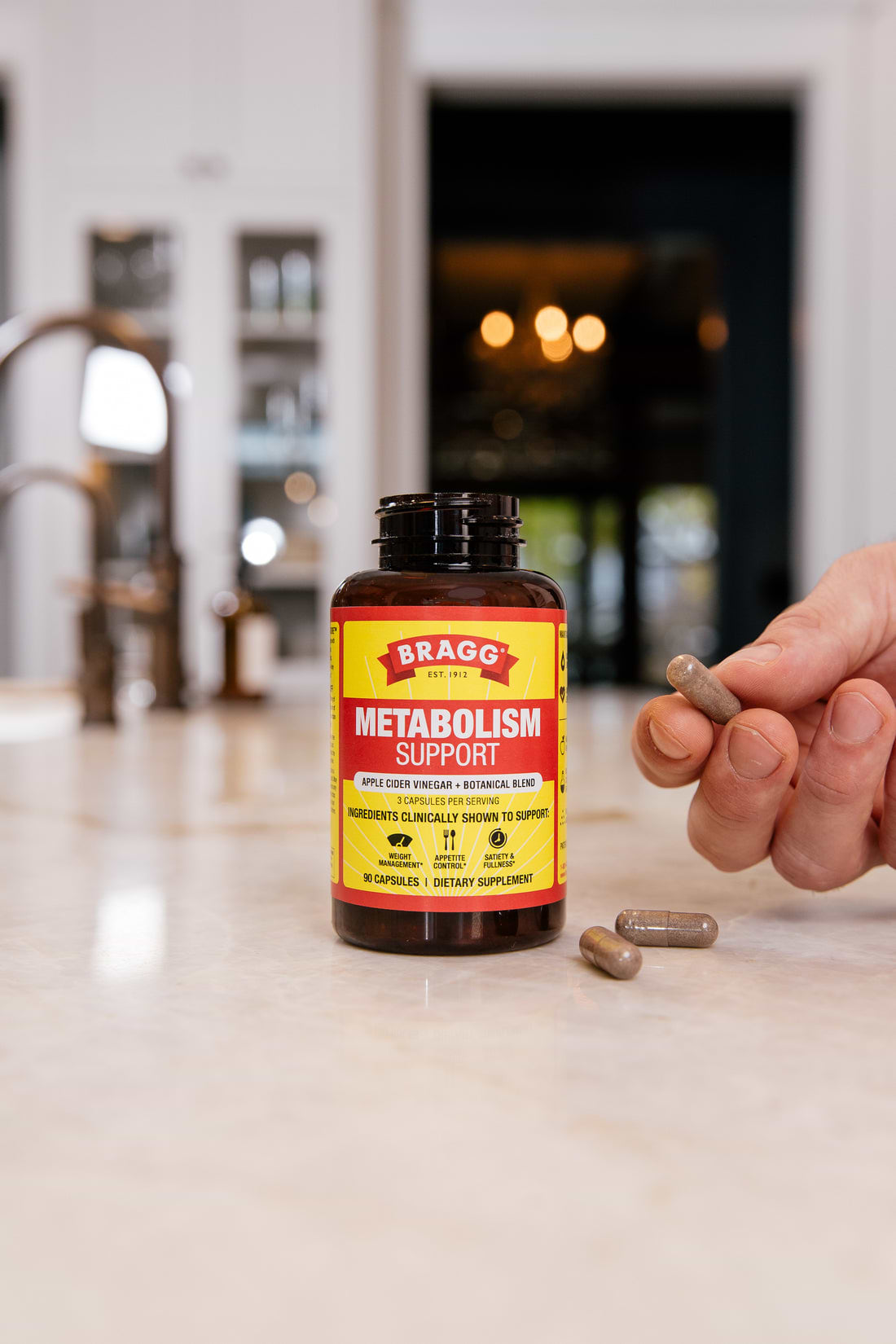
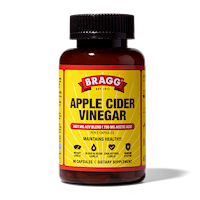
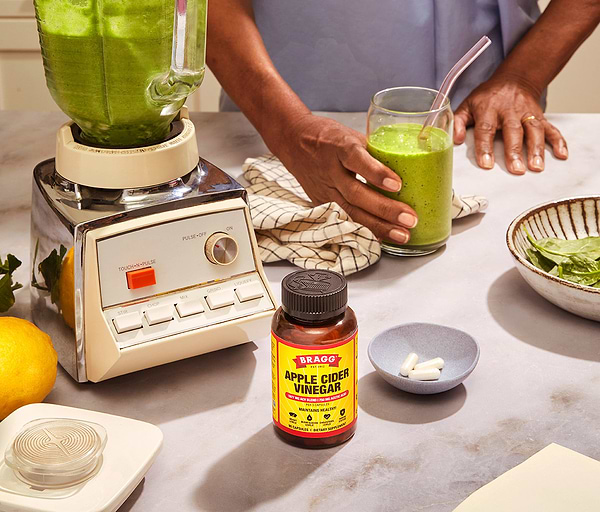
That’s why we focus on clean, transparent formulations with meaningful amounts of active ingredients, like 750mg of acetic acid in every serving of our Apple Cider Vinegar Supplements.
How to Spot High-Quality Dietary Supplements
Once you’ve figured out whether supplements make sense for you, the next big question is: which ones are actually worth your money? The supplement industry is huge, with many supplements available on the market, but not all are created equal.
Unfortunately, not every product on the shelf is backed by the same level of care, transparency, or science. Here are some markers of quality to look out for:
-
Clear, Standardized Dosages: A reputable supplement tells you exactly how much of each active ingredient you’re getting. Vague wording without a single written amount can sometimes mean you’re not getting a meaningful dose [⁹].
-
Clean Formulations: Skip the unnecessary fillers, artificial colors, and added sugars. A good supplement is straightforward; nothing more, nothing less.
-
Third-Party Testing & Certification: Quality supplements should always be verified by trusted third-party organizations. Every Bragg® supplement is certified by NSF, meaning each product has been independently tested to confirm it contains exactly what’s on the label (no more, no less) and meets rigorous safety and purity standards.
-
Mineral Supplements: When considering mineral supplements, look for reliable information from authoritative sources and ensure products are tested by independent labs for quality.
-
Ingredient Transparency: The best brands not only tell you what is inside but also why it’s included, and where it comes from.
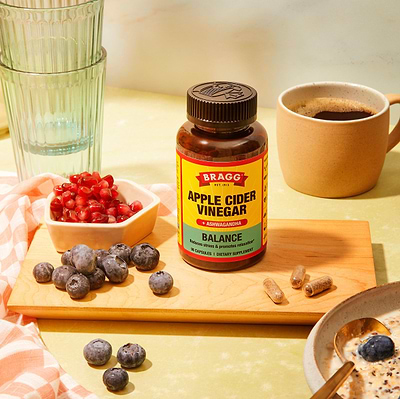
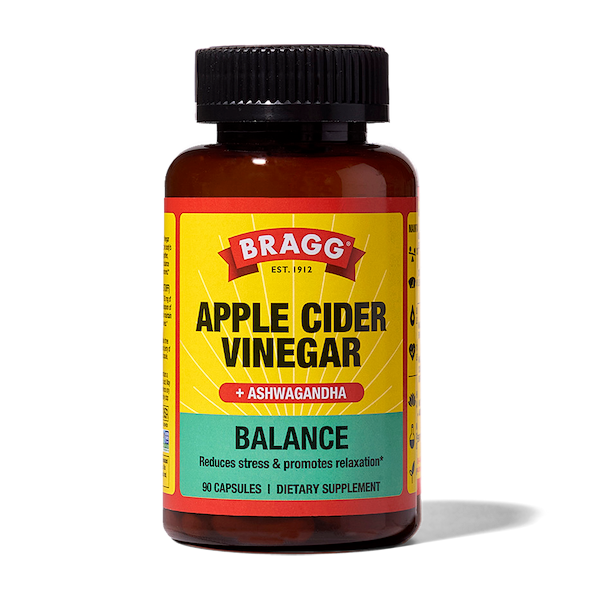
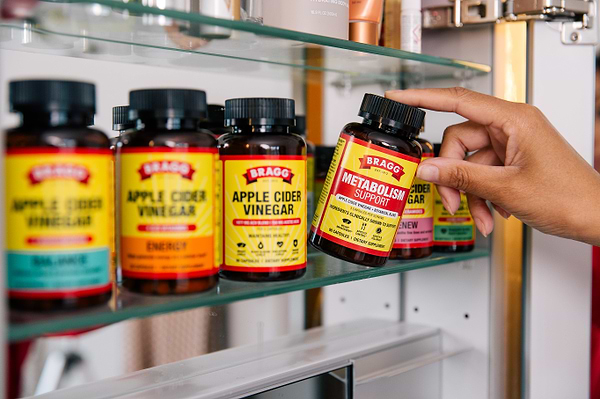
At Bragg®, we’ve held ourselves to those standards since day one. Whether it’s our Apple Cider Vinegar Supplements, Balance ACV Supplements with ashwagandha, or ACV Blends, every product is crafted with clean, organic ingredients and backed by a century of experience in wellness.
Common Types of Supplements (and What They’re For)
Not all supplements serve the same purpose. Here’s a quick look at some of the most common categories and why people use them:
-
Foundational Nutrients: Multivitamins, vitamin D, and omega-3s provide broad support, filling gaps that are common in everyday diets [¹⁰].
-
Targeted Support: Adaptogens like ashwagandha (for stress), probiotics (for digestion), and magnesium (for relaxation) are often chosen for more specific wellness goals [¹¹].
-
Lifestyle Convenience: ACV capsules and blends make it easier to consistently get functional compounds like acetic acid, without having to drink multiple glasses of vinegar water every day.
Remember: these aren’t shortcuts. They’re tools. The right one depends on your unique needs and lifestyle, which is why we’ll break down how to evaluate each type later in this guide.
How to Evaluate Your Supplement Needs
So you know you need some supplementation in your life, but here’s the million-dollar question: How do you actually know which supplements are right for you?
The truth is, there’s no universal checklist. What works for your neighbor, your favorite wellness influencer, or your mom might not be what your body needs.
Here’s how to approach it thoughtfully:
1. Start With Your Current Diet
Your plate is your foundation. Whole foods give you vitamins, minerals, fiber, and plant compounds that no pill can fully replicate. Leafy greens and dark leafy greens, such as spinach, kale, and broccoli, are excellent sources of vitamins and minerals that support skin, joint, and bone health.
Supplements should never replace balanced meals, but they can help you close gaps such as:
-
If you rarely eat fatty fish, an omega-3 supplement might make sense.
-
If dairy isn’t in your routine, calcium plus vitamin D could be worth considering.
-
Plant-based? You’ll almost certainly want to look at B12, as both B12 and folate are essential for the production and maintenance of red blood cells.
A Bragg®-worthy Tip: Do a “food audit” for one week. Track what you eat, then compare it to recommended daily nutrient intakes. The gaps will tell you where a supplement might be helpful.
2. Consider Your Life Stage
Nutrient needs change over time. For example:
-
Children & Teens often need extra calcium and vitamin D to support growth [¹²].
-
Adults 50+ may need more vitamin B12, vitamin D, and iron. Iron deficiency in particular is a concern for certain groups, such as young children, pregnant women, and older adults [¹³].
-
Pregnant women are advised to take folic acid (folate) to support a healthy pregnancy and to reduce the risk of birth defects affecting the brain and spine in newborns [¹⁴].
Supplements aren’t about “fixing” something, they’re about giving your body what it needs in that season of life.
3. Think About Your Environment & Lifestyle
Your zip code, daily habits, and even your job can impact nutrient needs.
Limited sun exposure? Vitamin D is key, and vitamin D deficiency is common in such environments.
Work long hours in front of a computer? Omega-3s and antioxidants may support eye health [¹⁵].
Travel often? Probiotics can help support your gut while you’re constantly adjusting to new foods and routines [¹⁶].
Remember, supplements should support overall health, not replace healthy habits.
4. Talk With a Professional
This is non-negotiable: always consult your healthcare practitioner before adding new supplements. A simple blood test can reveal deficiencies that no supplement ad could ever predict. It’s the fastest way to know what you really need (and what you don’t).
Supplement Spotlights: What People Actually Take (and Why)
There’s a lot of noise in the supplement world, but these are the classics—the ones people reach for again and again. Here’s a closer look at why they matter, and how you can get started:
Apple Cider Vinegar Supplements
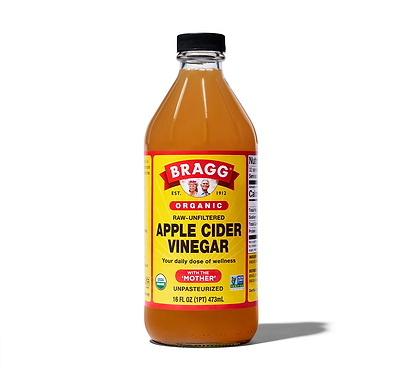
Looking for a steady, reliable way to get acetic acid (the functional compound in vinegar) without puckering up at every sip? ACV supplements got you.
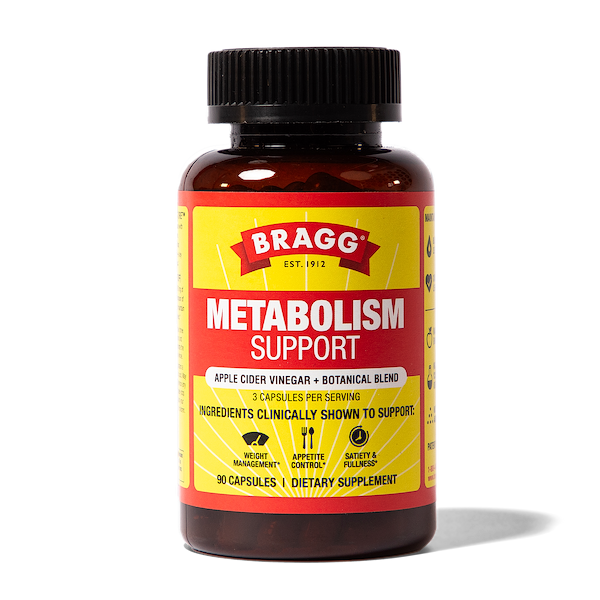
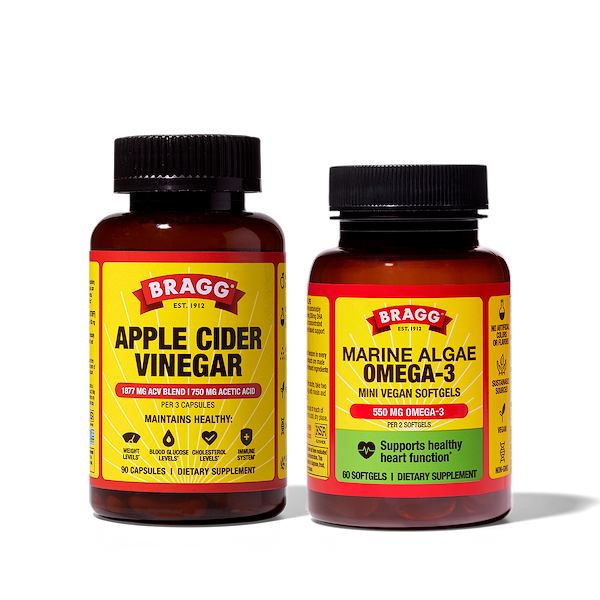
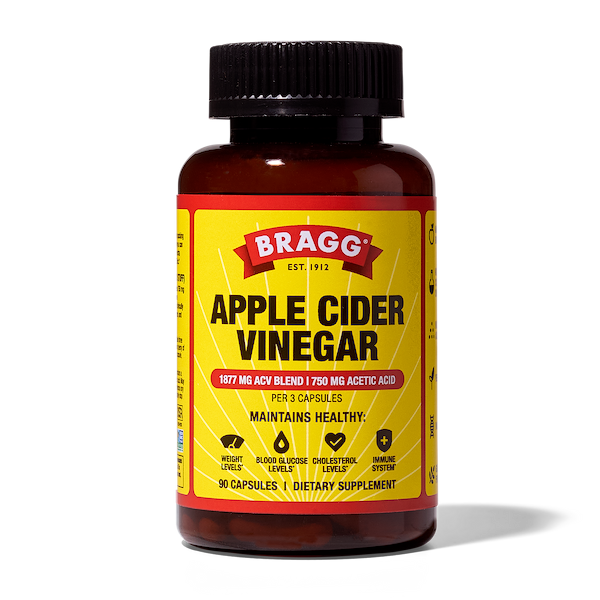
Each Bragg® ACV Supplement serving delivers 750 mg of Acetic Acid plus essential Vitamin D and Zinc to help support immunity, metabolism, and everyday wellness. Now in a capsule that fits in your pocket.
Because the supplement is stabilized (rather than a live-culture liquid), it offers a consistent, shelf-stable, travel-friendly way to integrate ACV into your daily routine, without worrying about refrigeration or bacteria viability.
Do these supplements contain the “Mother”?
While our ACV Supplements are made from our same organic apple cider vinegar, they deliver acetic acid in a stabilized capsule form.
Because supplements must remain shelf-stable and consistent, the live cultures found in the liquid “Mother” naturally cannot survive the dehydration and concentration process, so they are not present in capsule form.
And that is actually a good thing.
By removing live culture variability, we can guarantee:
-
A precise, standardized amount of acetic acid in every serving
-
Long-lasting shelf stability without refrigeration
-
Reliable purity, safety, and potency
-
Convenient use anywhere, anytime
Instead of relying on liquid fermentation, our supplements provide predictable dosing and clean, controlled quality, all without the strong taste of drinking liquid vinegar.
In other words: no Mother, no problem. Just dependable support you can take with you.
Ashwagandha
Rooted in Ayurveda, ashwagandha is loved for its role in supporting stress balance and sleep quality. Research also points to potential benefits for energy, athletic performance, and immune function, though the science is still unfolding [¹⁷].
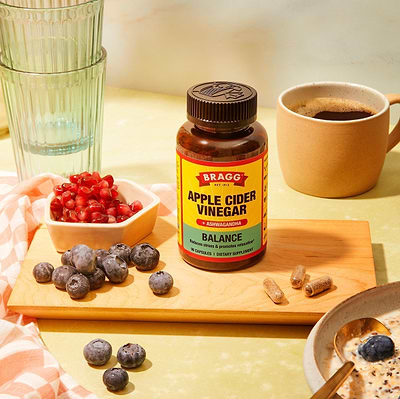
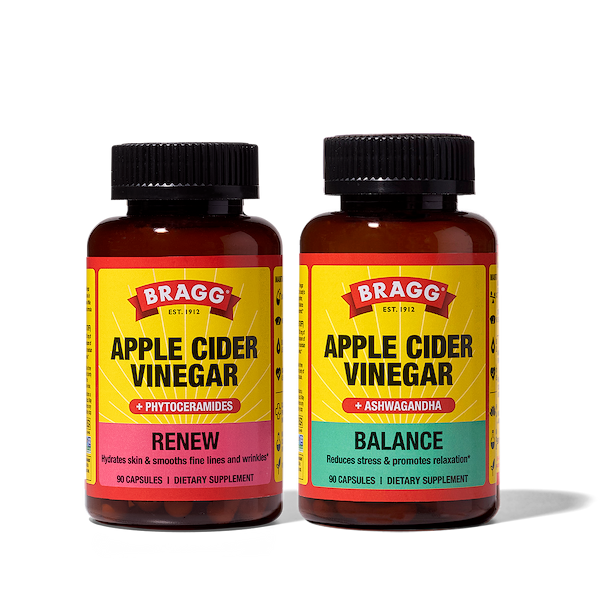
Our Balance ACV Supplement pairs clinically studied ashwagandha with the heritage of ACV,bringing traditional wisdom and modern science together in one convenient formula.
Shop Bragg® Balance ACV Supplement
Probiotics
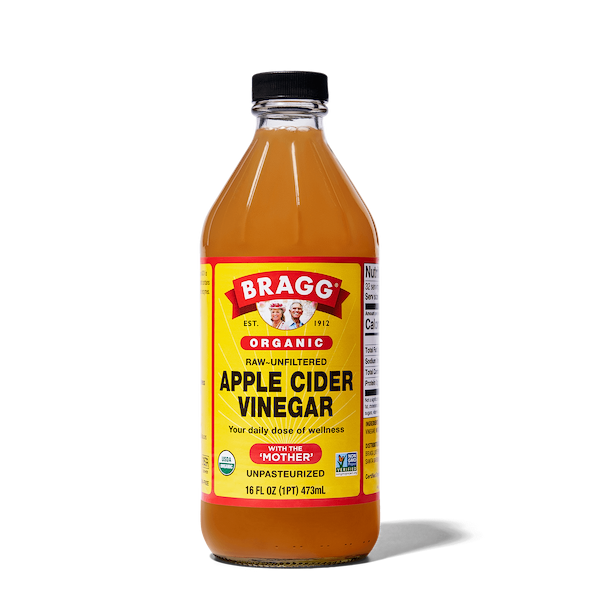
Probiotics are known to support a healthy gut microbiome by keeping digestive bacteria in balance.. While we don’t make standalone probiotics, our raw, unfiltered ACV naturally contains live cultures from the “Mother.”
If you didn’t know already, the acetic acid in ACV is a kitchen staple that doubles as a simple way to support gut wellness [¹⁸].
Omega-3s & Fish Oil
Omega-3 fatty acids are essential for supporting heart health, brain function, and balanced inflammation. For those who don’t eat fish regularly, a high-quality fish oil supplement is a go-to source. Even better? Studies suggest omega-3s may help lower the risk of cardiovascular disease [¹⁹].
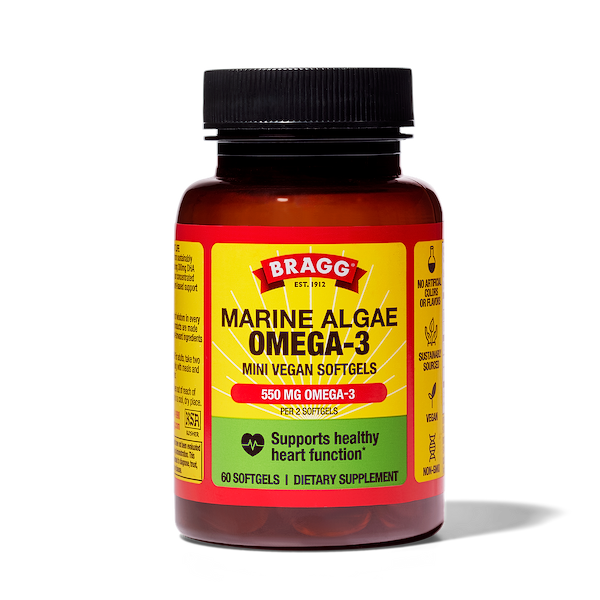
That’s where Bragg® Vegan Omega-3 Softgels step in, made with algae oil (not fish), they deliver the same vital nutrients without any “fishy” side effects.
Shop Bragg® Marine Algae Omega-3
Vitamin D
Nicknamed the “sunshine vitamin,” vitamin D is crucial for bone strength, immune function, and mood support. National health data shows that vitamin D deficiency is surprisingly common, especially in winter months or in people with limited sun exposure [²⁰].
Renew ACV Supplement
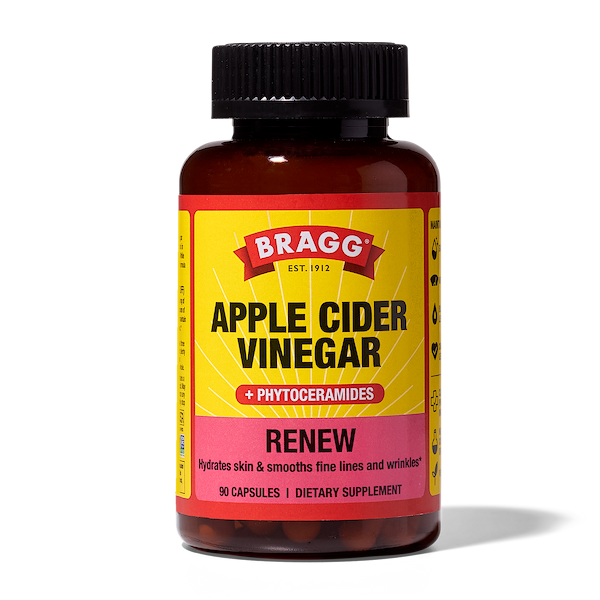
Wellness isn’t just about today, it’s about tomorrow, too. Our Renew ACV Supplement is crafted with our apple cider vinegar plus botanicals designed to support your body’s natural renewal process (aka…say hello to glowing skin).
Think of it as a fresh start in capsule form: simple, clean, and easy to add to your daily rhythm.
Shop Bragg® Renew ACV Supplement
True Energy ACV Supplement
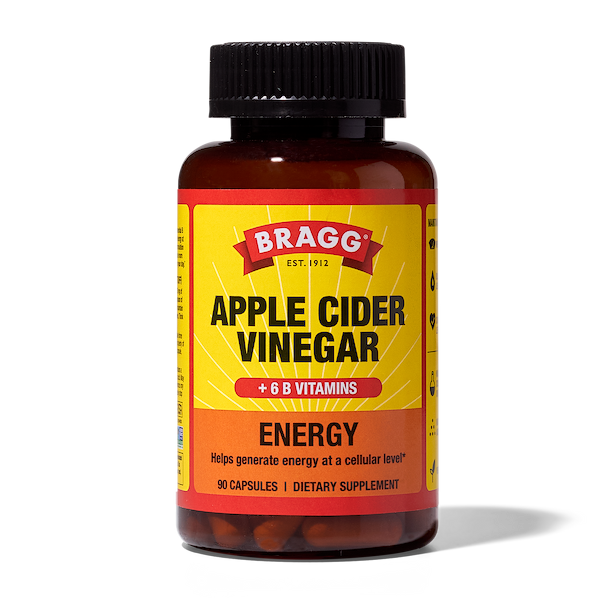
Need a little lift without another cup of coffee? Our True Energy ACV Supplement combines the power of apple cider vinegar with essential vitamins for your body to process and produce energy. No jitters, no crash. Just clean support to keep you moving and prepared.
Shop Bragg® True Energy ACV Supplement
What Makes Bragg® Supplements Different
At Bragg®, we’ve spent over a century helping people live vibrantly with simple, authentic foods.
(No, really, we’ve actually been around for over 100 years doing this same thing. Just check out our story here.)
So when it comes to supplements, we hold ourselves to the same gold standard: clean, honest, and rooted in tradition. Supplements are also an important part of a complementary and integrative health approach to overall wellness.
The Bragg® Standard
-
Clean & simple formulations: No artificial colors, sweeteners, or unnecessary fillers.
-
Transparency always: We tell you exactly what’s inside, why it’s there, and where it comes from.
-
Science + heritage: Our Daily Balance supplement, for example, pairs ACV (our legacy) with clinically studied ashwagandha (modern science).
If it’s not good enough for our own routines, it won’t wear the Bragg® label…
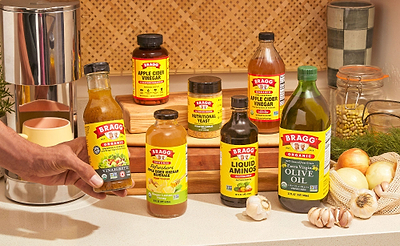
What Other Products Does Bragg Have?
Glad you asked.
While we do have a pretty full collection, we still like to keep it simple. Products designed to support the basics: energy, stress balance, digestion, and everyday wellness. No hype, no unnecessary extras, just thoughtful blends rooted in quality and tradition.
ACV Refreshers
Wellness doesn’t have to taste boring. Our ready-to-drink refreshers blend raw, unfiltered ACV with fruits and spices for a tangy, functional boost. They’re portable, flavorful, and make it easier to sneak wellness into busy schedules.
A Bragg®-worthy Tip: Toss one in your bag and swap your afternoon soda or energy drink for a cleaner, more balanced pick-me-up.
ACV Blends
Cooking meets wellness in our line of ACV Blends. These are apple cider vinegars paired with ingredients like honey, ginger, or citrus, perfect for dressings, marinades, or even mocktails. They give you flavor variety while keeping the same Bragg® quality you trust.
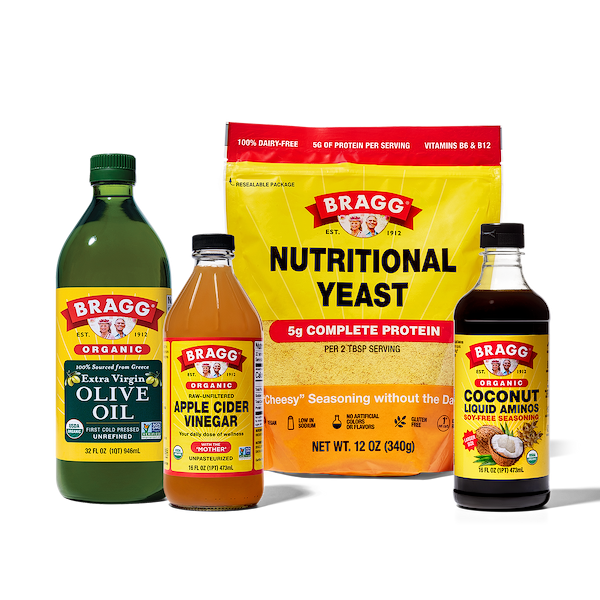
Olive Oil
Yes, we went there. Because healthy fats matter, and we wanted an oil that holds up to the Bragg® name.
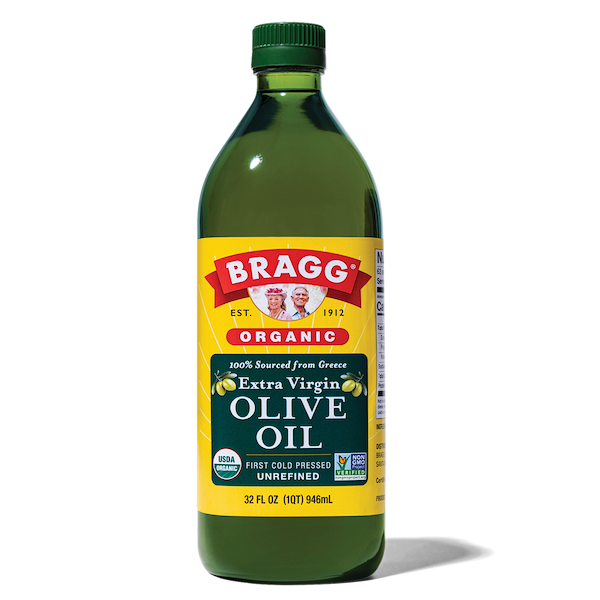
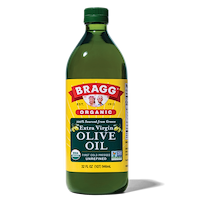
Our extra-virgin olive oil is cold-pressed, organic, and rich in monounsaturated fats; the kind celebrated in heart-healthy diets worldwide. Whether you’re sautéing veggies or whisking up a dressing, this is the kind of everyday staple you don’t want to skimp on.
Ready to become an olive oil expert (why not, right?). Read everything about olive oil in our article here.
Red Flags: How to Spot Supplements That Don’t Work
If you’ve ever seen a supplement ad promising to “torch belly fat overnight” or “reverse aging in a week,” here’s your sign to scroll on. Here are some signs a product may not be worth your time:
-
Over-the-top claims (“clinically proven to cure…”). Supplements support wellness; they don’t cure conditions.
-
No ingredient transparency: You deserve to know what, and how much, you’re taking.
-
No third-party testing: Independent verification builds trust.
-
Bad reviews or lack of customer support: A company that won’t answer your questions probably doesn’t deserve your business.
A Bragg®-worthy Tip: If a claim sounds too good to be true, it probably is. Look for brands that respect your intelligence (like us).
Building Your Supplement Routine: Practical Tips That Stick
So, you’ve figured out which supplements might actually make sense for you…
Now comes the tricky part. Turning those intentions into a habit that doesn’t get abandoned three weeks in. (We’ve all been there: a half-empty bottle shoved in the back of the cabinet.)
The good news? Building a supplement routine that lasts is a lot simpler than you think. Here’s how:
Make It Part of Your Rhythm
Supplements work best when you take them consistently. Think of them like brushing your teeth—you don’t do it once and expect lifelong results. Tie your supplements to something you already do every day, like:
-
Take them with breakfast.
-
Pair them with your morning coffee or tea.
-
Set them next to your toothbrush so you remember at night.
For a creative ACV hack, check out our “Apple Cider Vinegar Foot Soak” post,perfect for when you want to nurture your routine beyond your plate.
A Bragg®-worthy Tip: Consistency beats perfection. If you miss a dose here and there, don’t panic. What matters most is the long game.
Timing Matters (Sometimes)
Not all supplements play by the same rules. For example, fat-soluble vitamins (like A, D, E, and K) absorb better when taken with food that contains healthy fats [²¹].
When in doubt, follow label instructions and ask your healthcare practitioner for personalized advice.
Don’t Mix Without Knowing
Supplements aren’t candy (though some gummy vitamins may try to convince you otherwise). Taking too much of certain nutrients, or mixing them without guidance, can backfire. For instance, excess iron can be harmful if you don’t actually need it [²²]. That’s why starting with a healthcare check-in is always step one.
Quality Over Quantity
It’s tempting to buy the giant bottle of multivitamins on sale, but here’s the truth: not all supplements are created equal. Look for:
-
Clear labeling (you should recognize the ingredients).
-
Third-party testing (to verify quality and safety).
-
Standardized amounts (so you know what you’re getting every time).
That’s one reason Bragg® supplements stand out, we’re obsessive about transparency and ensuring every capsule delivers what it says on the label. No fluff, no fillers.
Build Slowly, Not All at Once
Adding six new supplements to your routine in one week is a recipe for confusion (and possibly wasted money). Instead, start with one or two that meet your most immediate needs, then build from there if necessary. This not only makes it easier to stay consistent, but it also helps you notice what’s actually making a difference.
A Bragg®-worthy Tip: Supplements are like shoes…you don’t need the whole store. Start with the pair that fits your lifestyle best, then add more only if it makes sense.
Supplements vs. Whole Foods: Finding the Balance
If there’s one myth worth busting early, it’s the idea that supplements can “replace” food.
Spoiler: they can’t. Think of them as the backup singers, not the headliner.
A dietary supplement is a product intended to add nutritional value to the diet, complementing but not substituting for whole foods.
Why Whole Foods Takes Center Stage
-
Synergy you can’t bottle: Whole foods contain a mix of vitamins, minerals, fiber, and plant compounds that work better together than in isolation. For instance, the vitamin C in bell peppers actually helps your body absorb the iron in spinach [²³].
-
The fiber factor: Fiber doesn’t just keep things moving, it supports digestion, satiety, and even blood sugar balance [³³]. And no, your multivitamin gummy doesn’t come with a side of fiber.
-
Beyond the basics: Plant foods deliver phytonutrients like flavonoids and carotenoids [²⁴], compounds being studied for roles in immunity, brain health, and more. You won’t find them in a standard capsule.
In other words…don’t pit spinach against supplements. It’s not a competition. They’re teammates.
Wondering about what other supplement myths are out there? This next section has you covered.
Supplement Myths (and the Truths Behind Them)
The wellness world has a reputation problem. Too many “miracle” claims, not enough science. Let’s get real.
Myth 1: More = Better
Mega-dosing won’t give you mega results. We already mentioned above (so, sorry for sounding like a broken record, but it’s worth saying again) that too much iron, vitamin A, or vitamin D can actually be harmful. Supplements are not a cure for health problems and should not replace medical advice.
Myth 2: Supplements Work Overnight
Supplements aren’t espresso shots. Probiotics or omega-3s may take weeks of consistent use before you notice changes, depending on the individual.
Myth 3: One Size Fits All
What works for your sister or your favorite influencer may not be what your body needs. Supplements should be tailored to your diet, lifestyle, and health priorities.
A Bragg®-worthy Tip: If it sounds too good to be true, it probably belongs in a late-night infomercial, not your wellness routine.
How to Read a Supplement Label (Without Needing a PhD)
Dietary supplement labels can look like someone spilled the periodic table. But once you know the basics of label reading, you’ll spot quality in seconds.
Start With Serving Size
Is “one serving” one capsule…or three? The fine print matters.
Active Ingredients: Clarity Counts
You want specifics, like “Withania somnifera extract (ashwagandha), 600mg, standardized to 5% withanolides.” Not vague phrases like “herbal blend.”
Other Ingredients: Less Is More
Check for artificial colors, added sugars, or fillers. They’re unnecessary extras you don’t need.
Standardization & Quality Marks
-
Standardization ensures each batch has the same active compounds [²⁵].
-
Third-party testing adds another layer of trust, verifying purity and potency.
Red Flags
-
Buzzwords without citations.
-
Proprietary blends with no transparency.
-
No testing or certifications.

FAQ: Supplements Made Simple
Q: What supplements should I take?
A: There’s no one-size-fits-all answer. Supplements should complement a healthy diet, not replace it. The best place to start is with whole foods. Think whole grains, dark leafy greens, lean meat or plant proteins, and fortified foods. If you’re considering dietary supplements, it’s always best to review your needs with a health professional before deciding what makes sense for you.
Q: What counts as a dietary supplement?
A: The FDA defines dietary supplements as products you ingest (like capsules, tablets, powders, or liquids) that add nutrients or other dietary ingredients to your diet. They can include vitamin and mineral supplements, botanicals, probiotics, and more. But remember: they’re food supplements, not substitutes for it.
Q: How do supplements fit into complementary and integrative health?
A: Many people use supplements as part of an integrative health approach—pairing them with lifestyle practices like balanced nutrition, movement, and stress management. Think of supplements as tools that work alongside, not instead of, daily wellness habits.
Q: Why do people talk so much about vitamin D?
A: Vitamin D is sometimes called the “sunshine vitamin.” While your body can make it through sun exposure, factors like geography, lifestyle, and skin tone can affect how much you produce. That’s why vitamin D supplements are commonly discussed. Vitamin D deficiency is also a recognized concern in public health, making it one of the most researched nutrients.
Q: Are vitamin and mineral supplements necessary if I eat healthy?
A: A healthy diet built on whole foods should be your first line of support. Still, many adults fall short on certain essential nutrients, like vitamin C, fiber, or omega-3s. In those cases, vitamin or mineral supplements may help “fill the gaps.”
Q: What about fish oil?
A: Fish oil (or algae-based omega-3s) is popular because it’s a source of fatty acids linked with heart and brain function. If you don’t regularly eat fish, a fish oil supplement may be an alternative source. And if you're vegan, then our vegan omega-3s mentioned above are made just for you.
Q: How do I know if a supplement is safe?
A: Always read dietary supplement labels carefully. Look for transparency about dietary ingredients, clear dosages, and third-party testing. Avoid products that make bold health claims. And remember, supplements aren’t regulated like prescription drugs, so your best bet is to choose reputable brands and consult a professional before starting.
Q: What about calcium, iron, or folic acid?
A: Calcium supplements may be considered if you don’t eat enough calcium-rich foods (like dairy, fortified foods, or certain greens). Iron deficiency is a concern for groups such as young children, older adults, and pregnant women. Folic acid is essential during pregnancy to support the development of red blood cells and help reduce the risk of birth defects. Always consult your healthcare provider before starting these.
Q: Are fiber supplements worth it?
A: Fiber is best from food, fruits, vegetables, beans, and whole grains. However, fiber supplements can be an option to support bowel regularity if your diet is consistently low in plant foods.
Q: How can I tell if research is credible?
A: Look for evidence from randomized controlled trials or guidance from trusted organizations like the National Institutes of Health, the National Center for Complementary and Integrative Health, or the Office of Dietary Supplements. These institutions provide balanced information on dietary supplement use, health benefits, and health risks.
Making Supplements Work for You
At the end of the day, the question isn’t just “what supplements should I take?”—it’s how to build a routine that feels aligned with your lifestyle, diet, and values. Supplements are not magic fixes or substitutes for a healthy diet, but when chosen wisely, they can support your body in powerful, practical ways.
Here at Bragg®, we’re here to help you live vibrantly, not complicate your life.
That means clean, thoughtfully crafted products—whether it’s Apple Cider Vinegar Supplements, Balance with Ashwagandha, or our simple pantry staples. They’re designed to work alongside the basics: good food, daily movement, deep sleep, and mindful stress management.
So the next time you find yourself staring at the endless shelves (or scrolling late at night), remember this: supplements are tools, not trophies. Here’s to building habits that last, listening to your body, and finding balance in both your kitchen and your cabinet.
Sources
-
https://www.fda.gov/drugs/news-events-human-drugs/fdas-regulation-dietary-supplements-dr-cara-welch
-
https://www.fda.gov/consumers/consumer-updates/fda-101-dietary-supplements
-
https://www.health.harvard.edu/press_releases/get-nutrients-from-food-not-supplements
-
https://newsinhealth.nih.gov/2013/08/should-you-take-dietary-supplements
-
https://lpi.oregonstate.edu/mic/micronutrient-inadequacies/overview
-
https://ods.od.nih.gov/factsheets/Ashwagandha-HealthProfessional/
-
https://health.choc.org/an-ultimate-guide-to-vitamins-kids-and-teens/
-
https://www.nia.nih.gov/health/vitamins-and-supplements/dietary-supplements-older-adults
-
https://www.hopkinsmedicine.org/health/wellness-and-prevention/nutrition-and-eye-health
-
https://ods.od.nih.gov/factsheets/Probiotics-HealthProfessional/
-
https://www.naturalhealthresearch.org/the-adaptogenic-abilities-of-ashwagandha-for-human-health/
-
https://ods.od.nih.gov/factsheets/Omega3FattyAcids-HealthProfessional/
-
https://www.niddk.nih.gov/health-information/liver-disease/hemochromatosis
-
https://www.canr.msu.edu/news/iron_and_vitamin_c_the_perfect_pair