








Maybe you’ve heard about Ashwagandha before, or seen bottles of it lined up in the wellness aisle.
Or maybe you’re here thinking “ash-what-gandha?”
Either way, this article is for you.
In this article, we’ll share what ashwagandha is, how it’s typically used, and what to consider before adding it to your routine. We’ll also touch on how Bragg®’s Daily Balance Ashwagandha Supplements are crafted with care, so you can feel confident choosing a product rooted in quality and tradition.
What Exactly Is Ashwagandha?
Ashwagandha (Withania somnifera) isn’t your average garden shrub…
Popping up in different corners of the world, such as India, the Middle East, and Africa, this evergreen has collected nicknames like “Indian ginseng” and “winter cherry” (though it’s not actually related to either one). Its Sanskrit name translates to “the smell of a horse,” a nod to its earthy aroma and the traditional belief that it could help bestow the strength and stamina of a stallion… rest assured, it does not smell like a horse.
Botanically speaking, ashwagandha is part of the nightshade family (yes, the same botanical family as tomatoes, peppers, and eggplants). But unlike its culinary cousins, it’s the roots and berries of this plant that pack the punch, thanks to bioactive compounds called withanolides.
Modern supplements usually use extracts standardized for these compounds, but centuries ago, Ayurvedic practitioners preferred a more…shall we call “rustic approach”: hand-picking and grinding the root into a raw powder to whisk in drinks. Just pure root powder and milk/or water… Today, scientists are taking that ancient tradition into the lab, running controlled studies to see what those withanolides might actually be up to.
Want a fun, Bragg®‑style dive into ashwagandha’s ancient roots and why it’s dubbed ‘The King of Herbs’? Check out Ashwagandha 101: The 5000‑Year‑Old Secret to Less Stress on our wellness blog.
A Brief History of Ashwagandha
From ancient Ayurvedic texts to today’s wellness aisles, ashwagandha has carried a reputation for resilience that keeps researchers (and curious consumers like yourself) coming back for more. So, if you’re just learning about Ashwagandha right now, you’re a little late to the party. It’s actually been around for centuries...3000 years to be exact.
Long before it appeared in capsule form at your favorite wellness shop, ashwagandha played a central role in Ayurveda, India’s holistic health system. Within classical Ayurvedic texts, it’s called a “Rasayana,” a rejuvenating tonic believed to promote balance across body and mind [¹].
Before energy drinks were a thing, kings and warriors may have taken it in hopes of building stamina, while monks and scholars used it to help maintain focus during long hours of study or meditation. But unlike your favorite energy drink, traditional records also describe its calming and restorative qualities (talk about win-win), which is why modern researchers are particularly interested in studying its potential links to stress and resilience.
The Growth of Research Around Ashwagandha
With all that being said, it shouldn’t be a surprise that this shrub has caught the attention of researchers (3000 years later…). Researchers today are primarily looking at how the compounds within ashwagandha influence different biological pathways related to stress, cognition, and cellular health [²].
When looking at all these studies together, it helps form the bigger picture of what makes ashwagandha so special. While none of the studies below will give you a quick yes or no answer, they’ll highlight the many questions that pique the curiosity of researchers today.
What the Research Says: A Look at the Studies
Fast forward to today, and ashwagandha has become one of the most studied adaptogens. Importantly, what we know comes from published clinical research, not marketing copy. Scientific evidence and clinical evaluation are crucial for understanding ashwagandha’s effects, as they provide a rigorous basis for assessing its potential benefits and safety.
Below, we’ll highlight what scientists have explored so far.
Remember: these are findings from studies, not guarantees of outcomes.
Many of these studies are placebo-controlled and double blind, ensuring rigorous results and minimizing bias in evaluating ashwagandha’s effects.
Stress and Cortisol: The Role of Standardized Ashwagandha Root Extract
One of the most widely researched areas for ashwagandha is stress management.
Back in 2012, researchers put ashwagandha to the test in a gold-standard trial: 64 adults, 60 days, double-blind capsules. Half got a high-concentration root extract (300 mg twice daily), the other half got a placebo.
The results?
The ashwagandha group saw their stress scores and cortisol levels drop significantly compared to the placebo group; basically, their bodies hit the “de-stress” button more effectively [³].
Another 2025 meta-analysis concluded that daily doses of 250-500 mg for 4-13 weeks consistently lowered morning cortisol, with these findings supported by randomized placebo-controlled trials.
Even earlier, a 2012 clinical trial using 300 mg of root extract twice daily showed significantly reduced stress assessment scores by day 60, along with lower cortisol levels [⁴].
But the Ashwagandha research doesn’t stop there…
Another meta-analysis of nine clinical trials with 558 participants found reductions in anxiety, stress, and cortisol among those taking ashwagandha compared with placebo [⁵].
Together, these findings explain why so many modern wellness conversations link ashwagandha with balance and calm, highlighting its stress-relieving effects and its potential to help manage mental stress.
Cognitive and Physical Performance
Several studies have examined ashwagandha’s effect on memory, attention, and learning. A 2020 randomized controlled trial observed improvements in immediate and general memory as well as executive function in participants taking standardized root extract [⁶].
Athletic performance is another area of study. Research suggests that ashwagandha may support endurance, VO₂ max, and strength recovery. For example, a 2015 trial found increases in muscle strength and recovery among men undergoing resistance training while supplementing with ashwagandha [⁷].
Again, these outcomes are reported from specific study groups, not universal guarantees, but they help explain why athletes and students alike are paying attention.
Safety and Side Effects
So, what about safety? Most clinical studies report that ashwagandha is generally well tolerated for periods up to 8-12 weeks. Reported side effects are usually mild, such as digestive upset or drowsiness [⁸].
That said, sources like the NIH’s Office of Dietary Supplements and peer-reviewed reviews emphasize caution for specific groups: pregnant or breastfeeding women, people with hormone-sensitive conditions, or those on certain medications.
The bottom line from the research community: more long-term studies are needed, but current evidence suggests that short-term use of standardized extracts is generally safe for most healthy adults.’Curious how internal balance feels? Pop over to our What’s a balanced gut feel like anyway? Post to explore how gut health plays into the bigger picture of wellness.

Why Ashwagandha Herbal Supplements Are Growing
So why is this once-obscure root suddenly appearing in protein powders, teas, and capsule blends worldwide? The answer lies in the studies above.
As researchers publish findings on stress, sleep, cognition, and performance, consumer curiosity rises. Wellness seekers are looking for natural tools that align with modern lifestyles, and science is helping bridge ancient traditions with contemporary evidence.
In other words, ashwagandha isn’t just trending because it sounds exotic. Its growth is rooted (pun intended) in a steady stream of peer-reviewed studies that make people sit up and take notice.
Wondering how supplements fit into keeping your defenses strong? Our blog has practical tips and ACV supplement insights for everyday immune resilience.
The Bigger Wellness Picture
At Bragg®, we know that no single supplement is a magic bullet. True wellness is a symphony of daily choices: nourishing food, restorative sleep, mindful movement, and meaningful connection. Ashwagandha fits into this picture as one possible instrument in the orchestra, not the conductor of the entire show.
It’s exciting to see modern science validating aspects of what ancient traditions practiced for centuries. But as always, balance is key.
Wondering where we fit in this wellness picture?
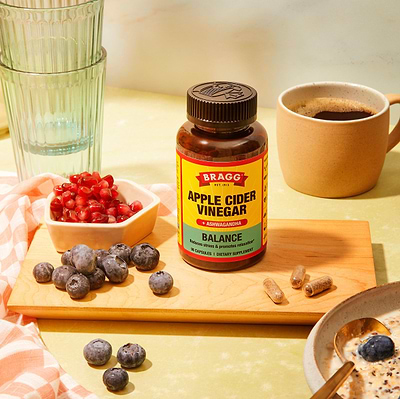
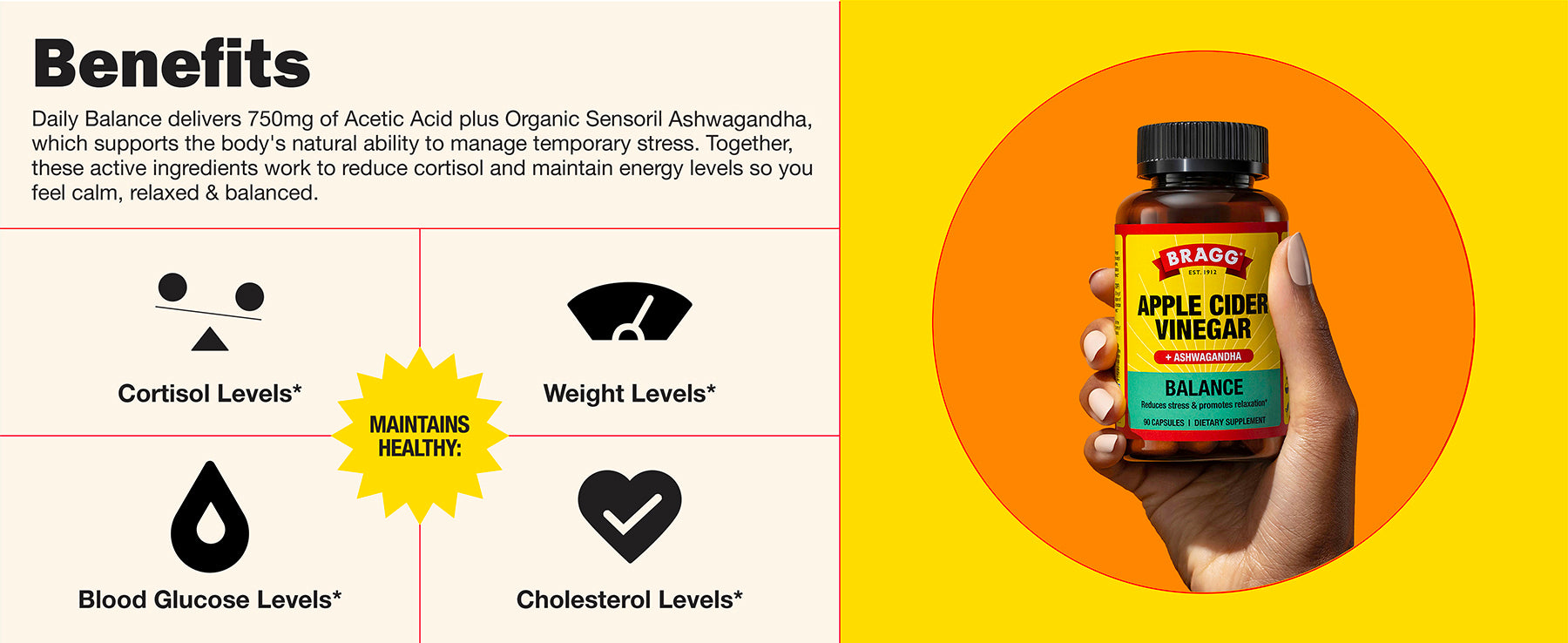
Enter our Daily Balance Supplement. Crafted with the same care we’ve brought to apple cider vinegar for over 100 years, it’s designed to support your daily routine with integrity and quality.
We don’t just bottle trends; we honor tradition and pair it with science. Daily Balance combines organic apple cider vinegar with thoughtfully sourced ashwagandha, creating a blend that feels both timeless and timely.
Building a balanced lifestyle? Peek at How I Use Bragg®’s Plant‑Based Pantry Staples to Achieve a Flavorful, Balanced Diet for ideas on weaving wellness into every meal.
Final Thoughts: Stay Curious, Stay Balanced
Ashwagandha’s story is one of roots and research…literally. From Ayurvedic texts thousands of years old to today’s double-blind trials, it bridges the gap between tradition and science.
Our goal isn’t to tell you what to take; it’s to share what the research says so you can make informed choices. Wellness is deeply personal, and curiosity is one of its best guides.
So whether you’re exploring ashwagandha for the first time or simply love learning about nature’s toolkit, remember: balance is the ultimate goal. And that’s something we’ll always raise a glass (of ACV) to.