


If you’ve ever stood in the beverage aisle wondering whether to reach for apple cider vinegar or kombucha, you’re not alone. Both are fermented, both have devoted fans, and both show up in conversations about healthy eating patterns, gut-friendly routines, and everyday wellness. But despite the similarities, they’re very different in taste, use, calories, and how they fit into a balanced diet.
Let’s break it down clearly (no buzzwords, no diet promises), just how each one is made, how they taste, and where they belong in real life.
Table of Contents
Apple Cider Vinegar vs Kombucha: A Fermentation Overview
At a glance, both apple cider vinegar and kombucha are fermented foods. That’s where the similarities mostly end.
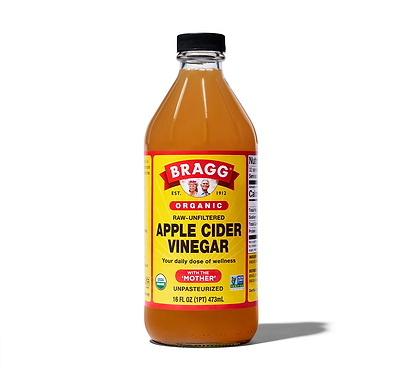
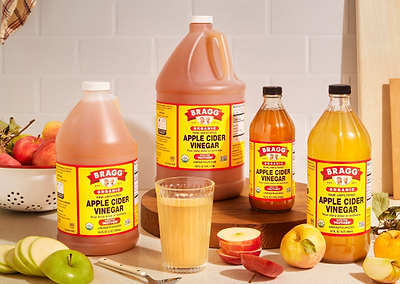
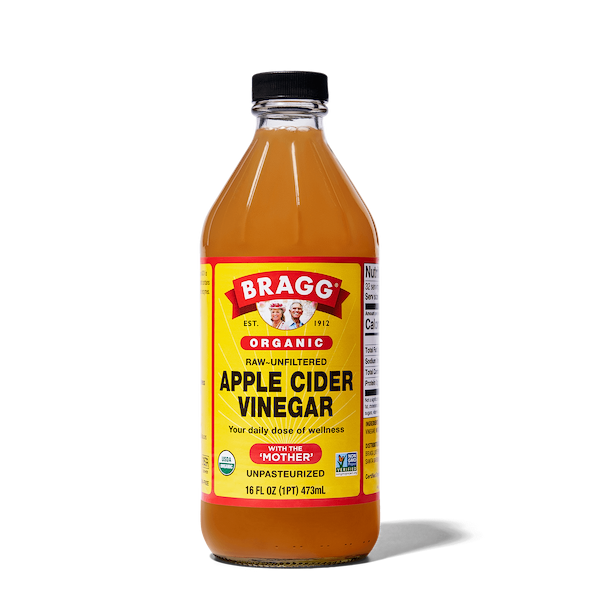
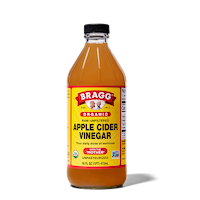
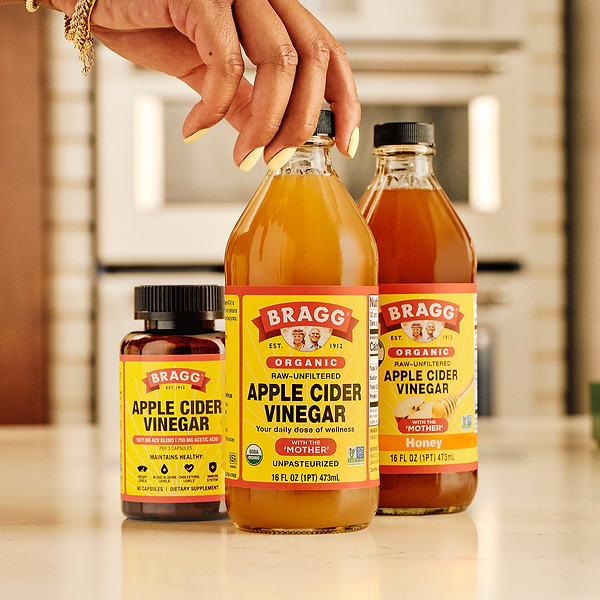
Apple cider vinegar is made by fermenting apple juice in two stages. First, natural sugars are converted into alcohol. Then, acetic acid bacteria convert that alcohol into vinegar [1]. The result is a sharp, acidic liquid with a bold, sour taste and very few calories per serving. Because of that intensity, it’s usually enjoyed diluted in about 8 oz of water or juice, or incorporated into your favorite recipes for everyday use.
Kombucha starts as brewed tea (usually black or green tea) sweetened with sugar. A SCOBY (symbiotic culture of bacteria and yeast) ferments the tea, producing a lightly fizzy drink that still contains sugar, organic acids, and more calories than vinegar [2].
Both are fermented, but they land very differently on your palate and in your diet.

Taste: Bold vs Balanced
Taste is often the deciding factor.
Apple cider vinegar has an unmistakable taste. It’s sharp, tangy, and concentrated. We recommend diluting it in water, mixing it into salad dressings, or using it in cooking rather than drinking it straight.
Kombucha, on the other hand, is typically lightly sweet, tart, and fizzy. A wide variety of flavors includes fruit, making it easier to drink on its own. Because of that sweetness, kombucha generally contains more sugar and more calories per cup than diluted vinegar [3].
If you prefer something punchy and functional, apple cider vinegar is a good fit. If you’re looking for a beverage experience closer to soda, kombucha may feel more approachable.
Calories, Sugar, and Energy
This is where the two differ significantly.
A serving of apple cider vinegar contributes minimal calories and virtually no sugar when diluted properly [4]. That’s why it’s often used in small amounts in meals, dressings, or sauces rather than as a standalone drink.
Kombucha contains more calories and sugar because it starts with sweetened tea and retains some of that sugar during fermentation. One cup can contain noticeable sugar depending on the brand and flavor.
Neither is “good” nor “bad,” but they play different roles. Apple cider vinegar is more of a culinary ingredient or addition to a wellness tonic, while kombucha functions more like a beverage.
Use in Cooking vs Drinking
This is where apple cider vinegar really stands out.
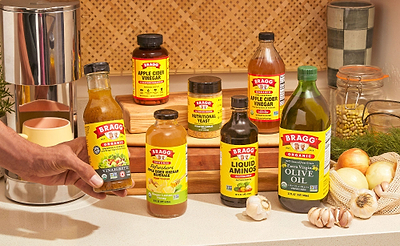
ACV is a workhorse ingredient [5]. It’s used in salad dressings, sauces, soups, grains, and vegetable dishes. It balances fats, brightens flavors, and adds acidity without relying on saturated fat or sugar. It pairs well with olive oil, herbs, and whole foods.
Kombucha is rarely used in cooking. It’s primarily consumed as a drink and doesn’t have the same culinary versatility.
If you enjoy building meals and cooking at home, apple cider vinegar offers a wide range of uses beyond drinking.
Drinking Apple Cider Vinegar: From DIY Tonics to Ready-to-Sip Refreshers
Not everyone enjoys the sharp taste of straight apple cider vinegar…and that’s okay! Most people dilute it with water, mix it with citrus, or add it to warm tonics. That’s where drinking formats come in: they make ACV easier, more enjoyable, and more consistent as part of everyday routines.
Instead of measuring tablespoons in the morning or guessing how much to add to water, our ready-to-drink options offer a balanced approach. They highlight ACV’s tang while keeping the flavor approachable, without relying on heavy sugars or artificial ingredients.
Bragg® Organic Apple Cider Vinegar Refreshers
If you like the idea of drinking ACV but want something a bit smoother, the Bragg® Refreshers are built for exactly that.
750 mg of acetic acid per serving
Just 15 calories
Crafted with organic ingredients
No artificial colors or preservatives
A balance of tart, fruity, and floral notes
Think of it like this: ACV is the foundation. The flavor does the lifting. The result is something you can actually sip.
Why This Matters in Real Life
For people who want the benefits of ACV without the intensity of straight vinegar, refreshers offer a practical middle ground:
Easier to build a consistent routine
More enjoyable flavor profile
No mixing or measuring required
Works for on-the-go days, travel, or busy mornings
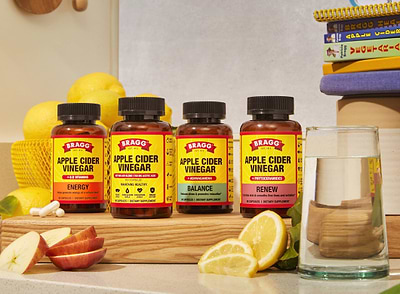
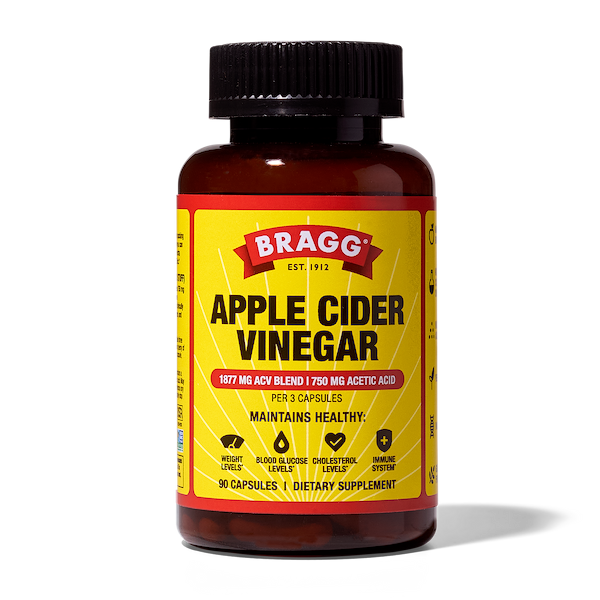
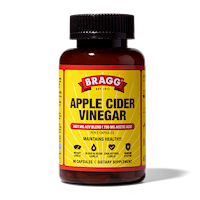
If ACV in a glass of water feels like a chore, a Refresher can feel like a choice. And for those who prefer not to drink their ACV at all, supplement formats offer another way to incorporate it into a daily routine.
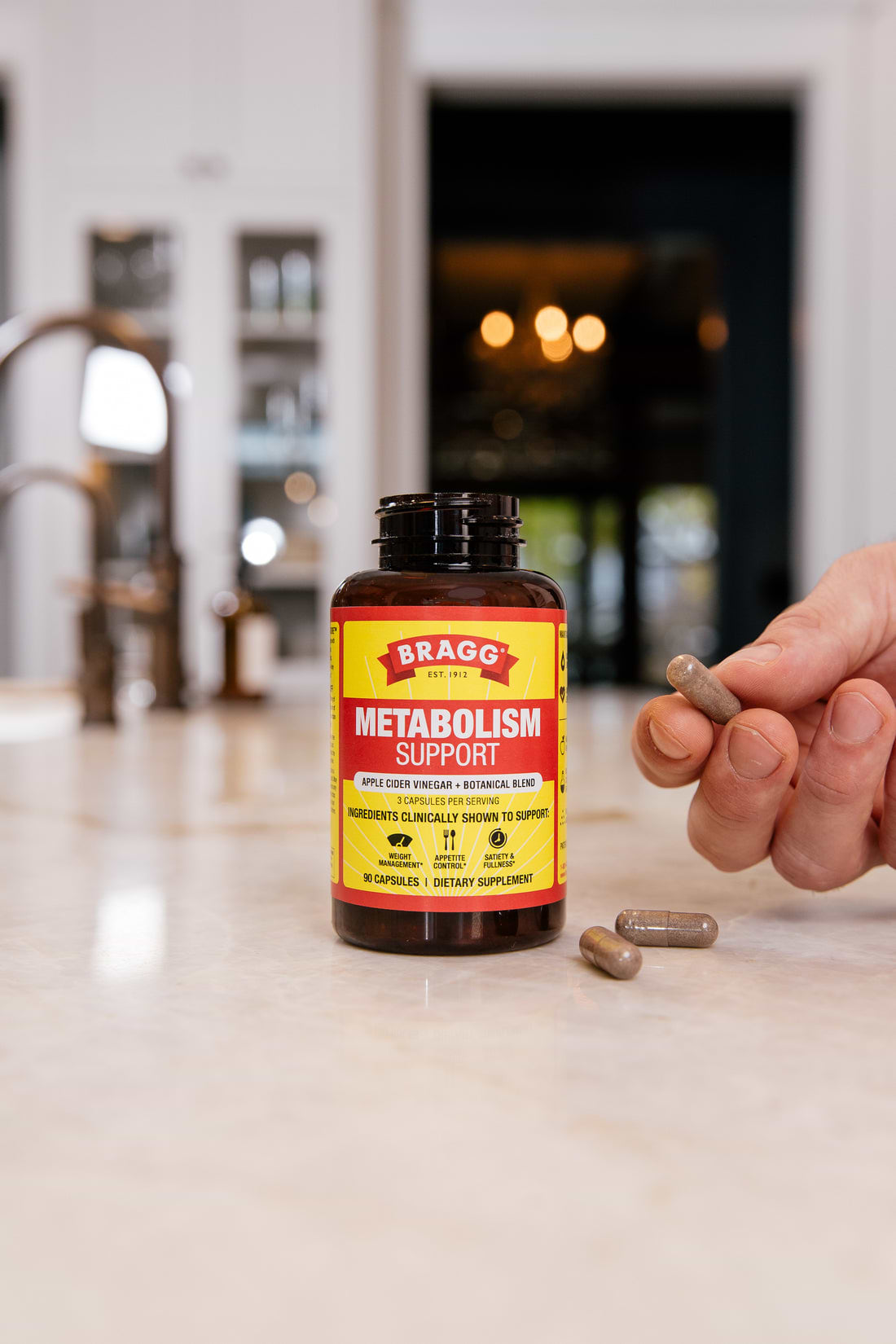
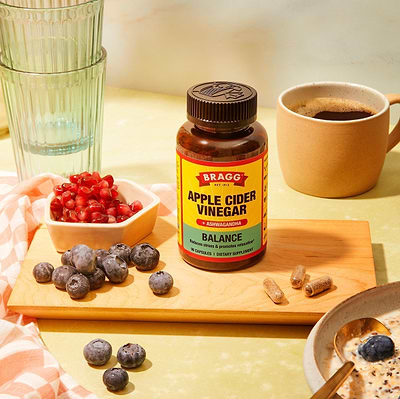
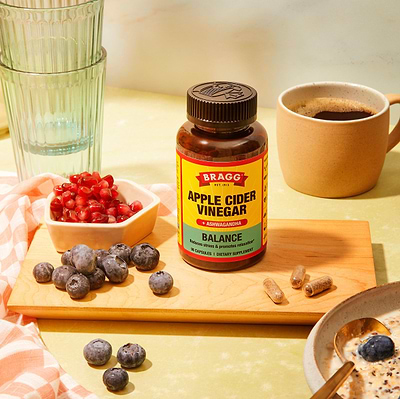
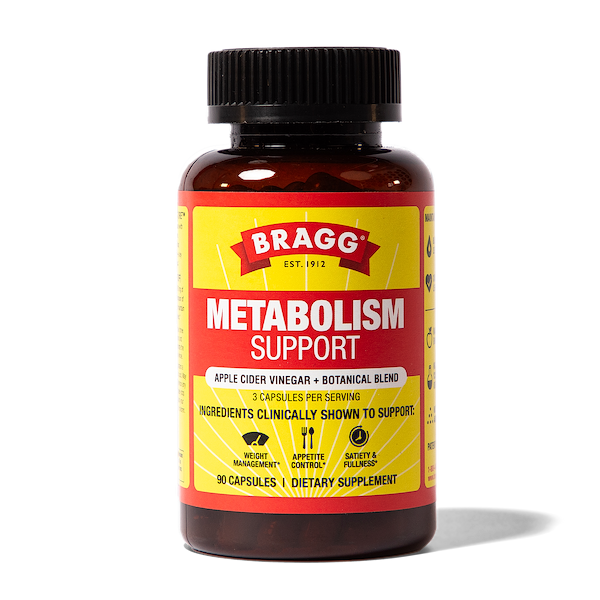
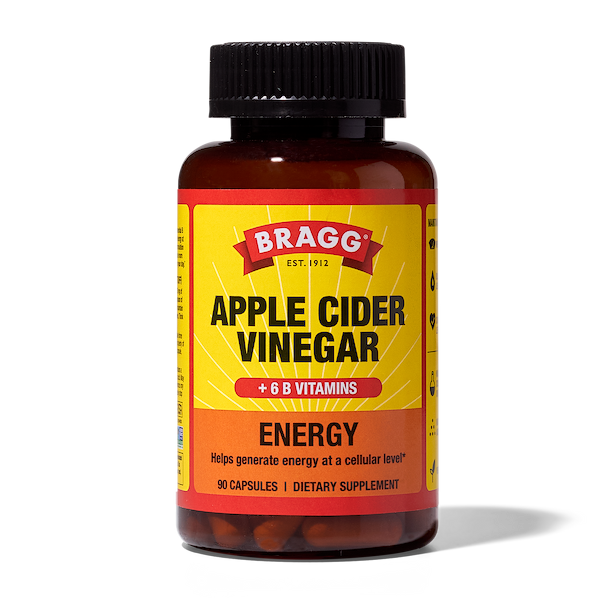
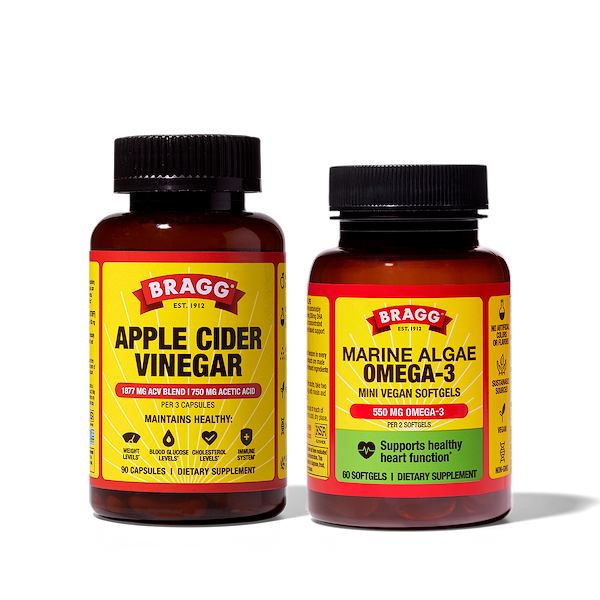
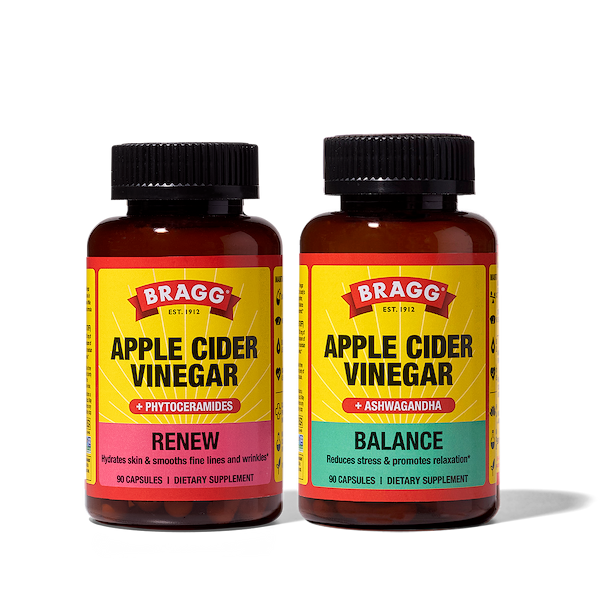
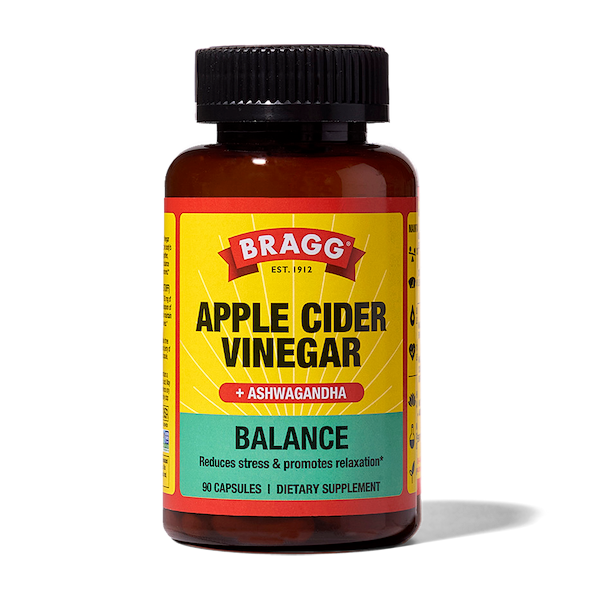
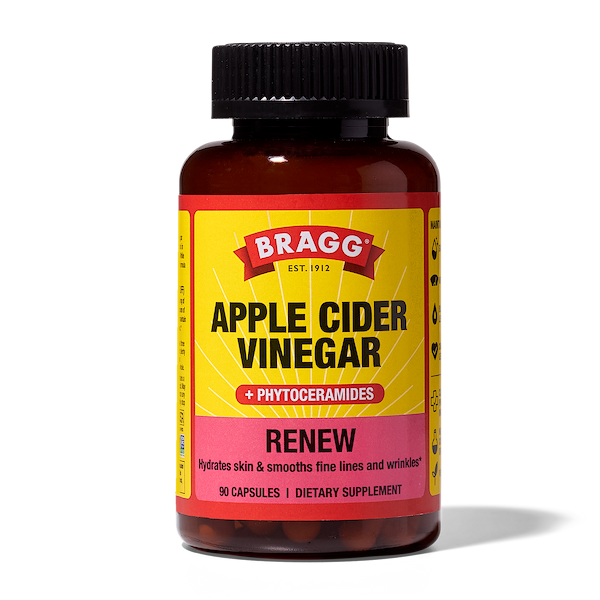
Shop Bragg® Apple Cider Vinegar Supplements
ACV in Action: Bragg® Recipe Ideas to Cook, Not Just Sip
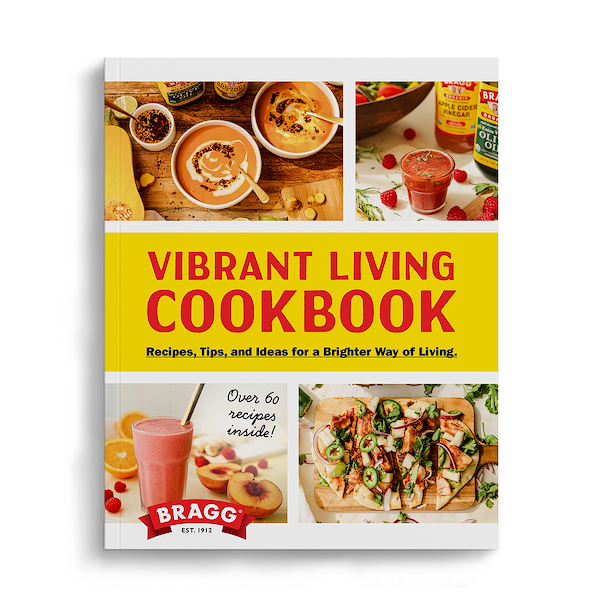
If you want to see just how versatile apple cider vinegar can be, Bragg® recipes is your go-to. Across our recipe collection, ACV appears as a quiet yet essential ingredient that brings balance, brightness, and structure to real food.
Bragg® Apple Cider Vinegar Recipes to Try…
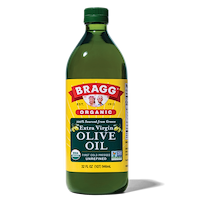
Classic Bragg® Apple Cider Vinegar Salad Dressing: A simple blend of Bragg® ACV and olive oil that adds brightness to leafy greens, grain bowls, and roasted vegetables without relying on heavy fats or sugar.
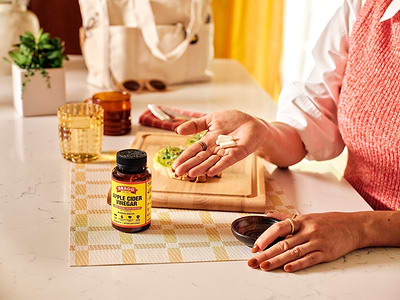
Apple Cider Vinegar Guacamole: A small splash of ACV balances the richness of avocado, enhancing flavor while keeping the dip fresh and vibrant.
Apple Cider Vinegar & Honey BBQ Sauce: Bragg® ACV provides tang and depth, helping balance sweetness and giving the sauce structure without overpowering other ingredients.
Marinated Vegetable or Protein Skewers: Used in marinades, ACV helps layer flavor into vegetables or plant-based proteins before grilling or roasting.
Apple Cider Vinegar Donuts: In baking, ACV acts as a functional ingredient, contributing to texture and lift while remaining subtle in flavor.
Warm ACV Tonic Recipes: Bragg® recipes often feature ACV mixed with warm water, herbs, or citrus as an alternative way to enjoy it outside of cooking.
These recipes show why apple cider vinegar isn’t just something you drink; it’s a versatile ingredient that supports everyday cooking with balance, simplicity, and flexibility.

Weight, Diet Trends, and Reality
You’ll often see both apple cider vinegar and kombucha mentioned in conversations about weight loss or “detox” routines. It’s important to keep perspective.
Sustainable weight management starts with overall eating patterns; meals built around vegetables, whole grains like brown rice or whole wheat flour, healthy fats, adequate protein, and consistent energy intake.
Both ACV and kombucha can be part of a healthy lifestyle, but neither replaces balanced meals, movement, or guidance from a registered dietitian.
Shelf Life, Storage, and Everyday Practicality
When it comes to choosing between apple cider vinegar and kombucha, practicality matters just as much as preference.
Apple cider vinegar is a true pantry staple. Once opened, it remains shelf-stable and usable for years without refrigeration. Its acidity naturally preserves it, which means you can keep a bottle in your cabinet and reach for it whenever you’re cooking, mixing dressings, or building meals…no rush, no spoilage clock, no special storage requirements.
Kombucha, by contrast, behaves more like a fresh beverage. It typically needs refrigeration, has a shorter shelf life once opened, and continues to ferment over time. That makes it something you plan around (buy, chill, drink, repeat) rather than an ingredient that quietly supports daily cooking.
This difference matters in real life. Apple cider vinegar fits seamlessly into long-term, food-first routines. It’s there when you need it, whether you’re cooking once a week or every night. Kombucha can still have a place, but it functions more as an occasional drink than a foundational kitchen ingredient.
For people who value simplicity, low waste, and ingredients that work across meals, apple cider vinegar offers a level of everyday practicality that’s hard to match.
FAQs
Does apple cider vinegar vs kombucha affect weight loss differently?
For people focused on weight loss, understanding serving sizes and calories matters more than choosing one over the other. Neither guarantees you’ll lose weight, but both can fit into healthy eating patterns that emphasize whole foods.
When comparing apple cider vinegar vs kombucha, portion size is key. Apple cider vinegar is usually used in small amounts and adds minimal calories to meals, while kombucha contains more calories per serving.
Can apple cider vinegar or kombucha improve blood sugar or heart health?
There is ongoing interest in how fermented foods relate to blood sugar, heart disease, and cardiovascular disease, but results vary.
They may be part of a healthy eating pattern that includes vegetables, fruits, beans, nuts, fish, and whole grains, which are associated with a lower risk of chronic conditions.
Are apple cider vinegar or kombucha good for the immune system?
Fermented foods are often discussed in relation to the immune system, but research is still evolving. Both apple cider vinegar and kombucha can be included in a healthy lifestyle, alongside foods rich in nutrients, vitamins, and minerals, such as fresh fruits, vegetables, beans, fish, eggs, and dairy alternatives.
The Bragg® Perspective
At Bragg®, we believe good health comes from patterns, not products. Apple cider vinegar isn’t a cure, a shortcut, or a replacement for real food. It’s a time-tested ingredient that fits naturally into balanced meals built around vegetables, whole grains, healthy fats, and fresh foods.
Whether you’re eating for energy, maintaining weight, or simply enjoying food that tastes good and feels intentional, apple cider vinegar earns its place through versatility, tradition, and simplicity.
Because wellness isn’t about choosing sides, it’s about choosing foods that work for your life.