






If you’ve ever stood in the condiment aisle debating Coconut Aminos vs tamari, you’re not alone. Both are popular swaps for traditional soy sauce, especially for people who are thinking more intentionally about ingredients, sodium intake, and dietary needs.
At first glance, they look similar: dark color, salty edge, umami flavor, endless versatility. But Coconut Aminos and tamari come from very different places…literally and figuratively. Their ingredients, fermentation process, flavor profiles, and use cases aren’t interchangeable, and understanding those differences can help you choose the option that fits your kitchen and your lifestyle.
This isn’t about crowning a winner. It’s about knowing what you’re pouring into your stir fry, dipping sauce, or weeknight marinades, and why one might work better for you than the other.
Table of Contents
Coconut Aminos vs Tamari: The Big Picture
Both Coconut Aminos and tamari are often positioned as soy sauce alternatives, but they’re built on completely different foundations.
Tamari sauce is a Japanese cooking ingredient made from fermented soybeans. It’s closely related to Japanese soy sauce, though typically thicker, darker, and richer than light soy sauce or Chinese soy sauce. Many tamari options are gluten-free, but they are still soy-based. Coconut Aminos, on the other hand, are made from coconut nectar extracted from the blossoms of coconut palm trees, combined with apple cider vinegar and Balinese salt.
So while both bring umami to the table, they do it through very different routes.
How They’re Made: Ingredients & Fermentation
Tamari and Fermented Soybeans
Tamari is made from fermented soybeans, sometimes a by-product of miso paste production [1]. Over time, fermentation develops the deep, savory notes that tamari is known for. Because soy protein is part of the base, tamari naturally contains compounds derived from soy.
Some varieties are labeled organic tamari or low-sodium soy sauce, and many are typically gluten-free, though it’s still important to read labels carefully if you have gluten intolerance.
Coconut Aminos
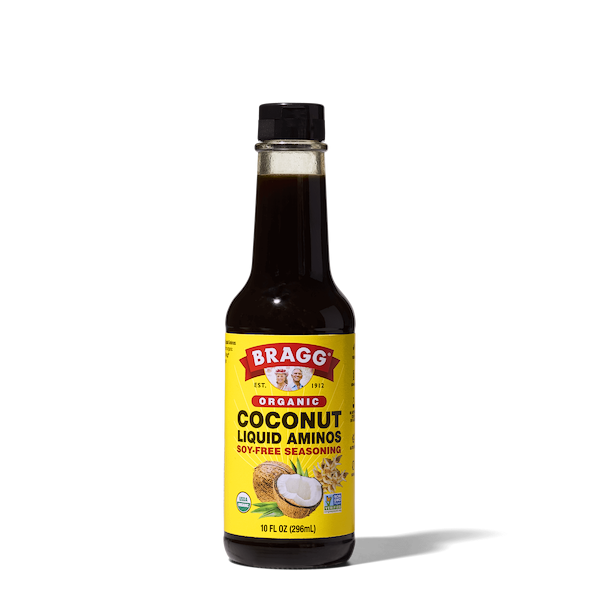
Coconut Aminos begin with coconut nectar extracted from coconut palm blossoms, which is combined with apple cider vinegar and salt to create a dark, pourable sauce. This process is different from soy fermentation and doesn’t involve soy, wheat, or other grains [2].
The result is a sauce that contains naturally occurring amino acids, with a mildly sweet, slightly sweet flavor that balances savory notes without tasting sugary or overpowering.
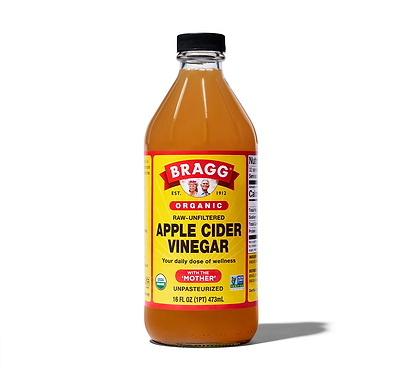
Different processes are used across many Bragg® staples, including fermentation for products like apple cider vinegar. If you want a deeper look at how fermentation shapes flavor and function, our Ultimate Guide: What Is Apple Cider Vinegar? explores the process in detail.

Flavor Profiles: Savory vs Slightly Sweet
Flavor is where personal preference really comes into play.
Tamari offers a bold, rich, deeply savory taste; the kind that sushi restaurants and fans of Japanese cuisine often prefer. It’s salt-forward, complex, and familiar if you grew up with regular soy sauce or dark soy sauce on the table [3].
Coconut Aminos have a softer edge. The flavor is still savory and salty, but with a subtle sweetness that rounds things out. Many people describe it as more approachable, especially for everyday cooking, where you don’t want one ingredient to dominate the dish.
Neither is “better.” They simply bring different personalities to your plate.
Sodium & Dietary Considerations
One reason Coconut Aminos have gained traction in the wellness space is their ability to meet specific dietary needs.
-
Coconut Aminos are often chosen for their flavor profile and ingredient differences compared to soy-based sauces.
-
They’re soy-free, making them a great soy-free alternative for people with soy allergies or those who prefer to avoid soy.
-
They’re also gluten-free, which supports people navigating gluten intolerance or dietary restrictions.
Tamari, while often labeled gluten-free, is still soy-based and generally higher in salt. For some people, that’s exactly what they want. For others, Coconut Aminos feel like a more flexible everyday option.
Cooking With Them: Practical, Not Precious
The best condiment is the one you actually use…not the one you save for a “special” meal. Both tamari and Coconut Aminos earn their place in the kitchen because they make cooking easier, more flavorful, and more flexible. The key is understanding where each one shines so that you can choose based on function, not hype.
When Tamari Shines
Tamari’s defining feature is its rich, concentrated umami flavor, developed through the fermentation of soybeans. That depth makes it especially well-suited for dishes where savory intensity is the goal, not subtlety. In Japanese cooking, tamari is often used to reinforce the character of ingredients like mushrooms, sea vegetables, or grilled proteins, where its darker profile adds weight and complexity rather than competing with the dish.
As a dipping sauce, tamari delivers that familiar, restaurant-style experience many people associate with sushi, dumplings, or simple rice-based dishes. Its salt-forward nature means a little goes a long way, which is why it works best when used intentionally rather than generously.
Tamari also performs well in high-heat cooking, such as searing or pan-frying, where stronger flavors are needed to hold their own. In marinades for tofu, tempeh, or meat, tamari offers a savory backbone that stands up to other assertive ingredients like ginger, garlic, or chili without fading into the background.
Where Coconut Aminos Excel
Coconut Aminos take a different approach to flavor. Made by extracting the Coconut flower nectar from coconut palm trees, they bring a softer, more rounded savory taste with a slightly sweet edge that feels balanced rather than bold. This makes them especially versatile for everyday cooking, where you want flavor without overpowering the dish.
In stir fry, particularly vegetable-forward meals, Coconut Aminos enhance natural flavors rather than masking them. Greens, cruciferous vegetables, and lighter proteins benefit from that gentler seasoning, which keeps textures and freshness front and center.
They also shine in salad dressings and quick sauces, where their mild sweetness pairs naturally with acids like apple cider vinegar or citrus. The result is a dressing that tastes complete without needing added sugar or heavy adjustments.
When it comes to marinades, Coconut Aminos are forgiving. They add depth without overwhelming proteins, making them ideal for chicken, fish, or plant-based options where you want balance instead of intensity. This is one reason they’re popular in paleo diet and paleo community cooking; they fit seamlessly into simple, ingredient-forward meals.
Perhaps most importantly, Coconut Aminos can be used as an everyday soy sauce substitute. They’re easy to pour, easy to enjoy, and adaptable across cuisines, from weeknight rice bowls to roasted vegetables. For many home cooks, that practicality is what turns Coconut Aminos from a substitute into a staple.
Coconut Aminos as a Great Soy Sauce Alternative
For people who want to avoid soy, Coconut Aminos check a lot of boxes:
-
Free soy and gluten-free
-
Works as a great substitute in most recipes
-
Compatible with a wide range of dietary needs
-
Fits naturally into a balanced, health-conscious kitchen
They’re not trying to be tamari. They’re doing their own thing, and doing it well.
If you’re curious how Coconut Aminos fit into Bragg’s broader approach to clean, simple ingredients, our blog on plant-based pantry staples dives deeper into building flavor without overcomplication.
If you’re exploring multiple soy sauce alternatives, our comparison of Liquid Aminos vs Soy Sauce offers another helpful lens.
Coconut Aminos vs Tamari: Which One Should You Choose?
If you lean toward tradition, tamari is likely your go-to. It delivers a bold, savory soy flavor that feels right at home in Japanese cuisine, shines as a classic dipping sauce, and holds its own in dishes where deep umami is the point, not a background note. It’s a solid choice if soy isn’t something you need to avoid and you enjoy that familiar, fermented richness.
If flexibility and everyday ease matter more, Coconut Aminos tend to win. As a soy-free alternative with a slightly sweet, balanced flavor, they’re easier to use across a broader range of meals; from quick stir-fries to dressings, marinades, and weeknight cooking where subtlety matters. They’re also a natural fit for those paying closer attention to sodium or following gluten-free [4] or paleo-leaning [5] eating patterns.
And then there’s the Bragg® approach: you don’t actually have to choose. Tamari and Coconut Aminos serve different purposes, evoke different moods, and pair with different meals. Keeping both on hand means you’re always reaching for the right tool, not forcing one sauce to do every job.
Much like vinegar’s acidity shapes food, subtle sweetness and umami work together to define flavor balance. We explore this idea further in Let’s Talk About Apple Cider Vinegar and Acetic Acid.
Why We Love Coconut Aminos at Bragg®
At Bragg®, we care about alternatives that don’t feel like compromises. Coconut Aminos fit that philosophy. They’re made from coconut nectar extracted from coconut palm blossoms, combined with apple cider vinegar and salt, and intended for everyday cooking.
They’re the kind of ingredient you reach for without overthinking. The kind that makes vegetables taste better, marinades more interesting, and meals easier to enjoy.
And when food tastes good, consistency follows.
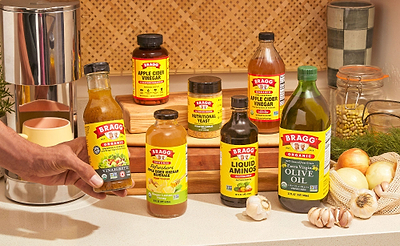
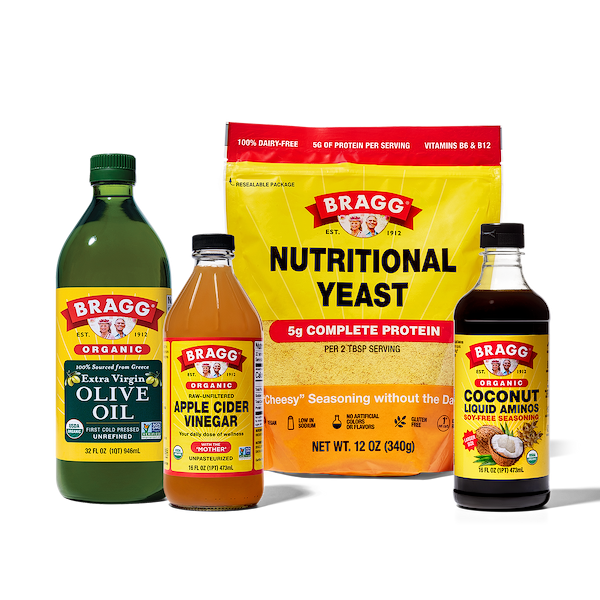
If you love Coconut Aminos, you’ll love exploring how they pair with other Bragg® favorites, like Liquid Aminos, ACV dressings, and simple pantry staples, for everyday wellness. For a real-world example, try our Vegan Chickpea ‘Tuna’ Casserole; Coconut Aminos add depth without overpowering the dish.
Thinking of trying Coconut Aminos? Check out Bragg® Coconut Aminos here!
The Bottom Line
The Coconut Aminos vs tamari debate doesn’t need a verdict; it needs context.
Both are flavorful, thoughtfully made alternatives to traditional soy sauce. Tamari brings depth and tradition. Coconut Aminos bring balance, accessibility, and flexibility. The “better” option depends entirely on your taste preferences, dietary restrictions, and how you cook.
Knowing the difference helps you choose intentionally, and that’s always a win in the kitchen.