









The afternoon slump…
You know that sudden drop in energy that sneaks in between 1-4 PM? Yeah, it isn’t personal. It just feels it.
It’s actually biology. After lunch, digestion diverts blood toward the stomach, so the brain gets fewer resources. Add in long hours of focus, stress, mild dehydration, and whatever happened last night, and it’s no surprise that tiredness takes over.
But instead of trying to push through afternoon fatigue with more coffee or sugar, which only adds fuel to tomorrow’s slump, you can shift a few habits to help your body stabilize energy levels. These small changes work with how your brain and metabolism already function.
Let’s help you finish your day feeling strong, not slumped.
Tables of Contents
- A Smarter Daytime Energy Boost: True Energy Capsules
- Balance Blood Sugar to Prevent the Crash
- Hydrate for Better Brain Power
- Snack Smart to Stay Energized
- Get Your Blood Flowing, Even at Your Desk
- Rethink Your Caffeine Strategy
- Fix Fatigue at the Source: Better Sleep Hygiene
- Afternoon Slump Myths: What We Think Causes Fatigue vs. What Actually Does

1. A Smarter Daytime Energy Boost: True Energy Capsules
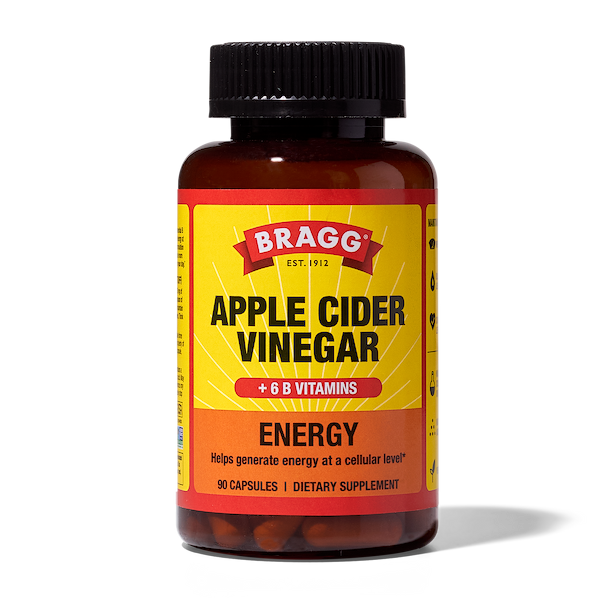
Supporting energy before you crash is smarter than reacting after the slump hits. Bragg® True Energy Capsules pair Apple Cider Vinegar with vitamin B12, a nutrient that helps regulate normal energy production and supports brain function. Unlike stimulants such as caffeine, B12 doesn’t force energy; it supports the body’s natural creation of it [¹].
Many people don’t get enough B12 from their diet, especially those who avoid milk, eat less meat, or have digestive considerations. A lack of B12 may lead to feeling sluggish or more intense afternoon slump patterns [²]. For those lacking, adding vitamin B12 can be a simple way to help yourself stay balanced from morning to night.
Support your energy here: Shop True Energy Capsules
Progress, Not Perfection
The benefits can appear as your body begins using key nutrients more efficiently. However, the real payoff comes with daily consistency and healthy lifestyle choices. Through healthy lifestyle choices, you’re not just beating the slump; you’re removing the reason it keeps coming back.
Results and experiences may vary. How quickly you notice changes depends on individual factors like diet, consistency, and overall lifestyle habits. This product is not intended to diagnose, treat, cure, or prevent any disease.
2. Balance Blood Sugar to Prevent the Crash
Ever eaten lunch, felt amazing… and then started fighting to stay awake an hour later? That’s a blood sugar crash. When we eat sugar or fast-digesting carbs alone (such as white rice, pastries, or sweetened sandwiches), insulin spikes quickly, then drops blood sugar quickly with it [³].
That drop can trigger fatigue, hunger, irritability, and difficulty staying awake. Balanced meals help your blood sugar rise gradually, then stay steady, which means your brain gets a stable flow of fuel.
How to build a slump-proof lunch:
-
A lean protein source (for slow digestion and steady energy)
-
Fiber from veggies or whole grains (helps stabilize blood sugar)
-
Healthy fat (keeps you satisfied and prevents overeating later)
It doesn’t require a diet overhaul; just a bit more intention.
Why This Works Biologically
Your brain runs primarily on glucose, and when blood sugar suddenly drops, it interprets the situation as a threat [⁴]. As soon as that happens, fatigue skyrockets. By eating food combinations that release energy slowly, you avoid that low blood sugar dip, the biggest trigger of midafternoon energy slump. Most people see improvement the very next day.
Understand how ACV fits into meal routines with our blog How does Apple Cider Vinegar help your blood sugar?
3. Hydrate for Better Brain Power
Even slight dehydration can look suspiciously like fatigue, headaches, reduced focus, and increasing anxiety. Water is essential for carrying oxygen and nutrients through the blood to the brain. When there’s less fluid in circulation, the brain receives less fuel, and the body responds by slowing you down [⁵].
Most adults need more water than they think. This is especially true if they drink coffee, which has a mild diuretic effect. Increasing hydration doesn’t take long to show results: a glass of water can improve alertness in just 20 minutes.
Drink More Water, Have More Energy
Aim for two big glasses before noon and two more before 4 PM, spread over the hours. If plain water is tough, flavor it with fruit, herbs, or even a splash of ACV for a crisp, refreshing twist. If dehydration’s the culprit, drinking enough water can give your energy a real boost, often within the same afternoon.
4. Snack Smart to Stay Energized
It’s true that a sugar-heavy snack provides a quick energy boost, but it also comes with a blood sugar crash that leaves you even more tired. However, pairing protein, fiber, and fruits or nuts provides your body with the fuel and nutrients it needs to keep going.
Snacking smarter isn’t about restricting; it’s about choosing foods that support your energy instead of sabotaging it.
Small Snack Strategy = Big Energy Advantage
Prepping snacks ahead of time prevents emergency cookie runs or vending machine grabs. Try Greek yogurt with berries, an apple with nut butter, or whole-grain crackers with hummus. You’ll maintain better blood sugar, avoid low blood sugar dips, and stay sharper through to the afternoon.
Explore recipe ideas you’ll actually look forward to: Bragg Recipes
5. Get Your Blood Flowing, Even at Your Desk
Long periods of stillness can slow circulation, leading to fatigue and a reduced delivery of oxygen to the brain [⁶]. Even a quick walk or moment of stretching can get blood flowing and revive your focus. Physical movement (even small bursts) signals your body that it’s time to wake up again.
A movement break also reduces stress hormone buildup, helping to brighten your mood and reset your brain.
The 3-Minute Rule
Every hour, take three minutes to move: stand, stretch, shake out your arms, march in place, or just breathe deeply. Those deep breaths alone can increase oxygen and restore mental clarity, especially if sitting has compressed your posture. Many people feel improvement immediately.

6. Rethink Your Caffeine Strategy
That afternoon coffee feels like the hero… until bedtime. Caffeine too late in the day can disrupt your circadian rhythm, making it harder to fall asleep [⁷]. The result? Restless sleep tonight, an afternoon crash tomorrow, and the cycle rolls on.
Instead, refresh your routine with a sparkling ACV drink.
Try this quick mocktail: sparkling water, a small amount of ACV, and sliced fruit or fresh herbs.
It’s uplifting without risking sleep.
Protect Your Future Energy
Choosing to pause caffeine after 2 PM isn’t just about getting through today; it’s about protecting the next day’s energy before it’s even at risk. This is the shift from combating fatigue to mitigating it. It’s the difference between putting out daily fires and preventing them from starting in the first place.
This mindset is powerful: Instead of trying to boost energy reactively, you’re designing habits that allow your body to sustain energy naturally, with less overall effort. Breaking the caffeine-dependence cycle helps your brain learn that it doesn’t need a stimulant to stay alert; it requires real support: steady blood sugar, quality sleep, hydration, and natural movement.
If you’re ready to ditch the jitters and support energy that actually lasts, check out our guide: Energy, Hold the Caffeine, a smarter way to stay alert without the crash.
7. Fix Fatigue at the Source: Better Sleep Hygiene
When insomnia, sleep apnea, or inconsistent routines disrupt nighttime rest, the body struggles to maintain stable energy the following day. The brain is still in recovery mode, just as work demands start piling back on. Improving sleep quality pays dividends directly to your afternoon energy bank.
Sometimes the solution is simple: dimming lights before bed, reducing evening alcohol consumption, limiting screen time, or getting morning natural light to cue a stronger rhythm.
Afternoon Slump Myths: What We Think Causes Fatigue vs. What Actually Does
When the afternoon slump hits, it’s easy to blame the wrong thing or assume it’s just part of being an adult with responsibilities. However, many common beliefs about energy don’t hold up to what we know about how the body actually functions. Here’s a quick reality check to separate myths from helpful truth.
Myth #1: “I’m just a tired person.”
Truth: While we can all have tired days, you might also be a person dealing with unstable blood sugar, inconsistent hydration, or insufficient sleep, all of which are modifiable. Fatigue is a signal, not a personality trait. Tiny shifts can produce noticeable improvements within just a few days.
Myth #2: Afternoon coffee is the only fix
Truth: A late coffee can feel like your hero, but often becomes tomorrow’s slump villain. Consuming caffeine too late can disrupt your internal circadian rhythm, affecting sleep and perpetuating the cycle of afternoon fatigue. Better sleep means better energy, which means less caffeine is needed.
Myth #3: Naps are “lazy”
Truth: A short nap can be a strategic recharge, mainly when fatigue is driven by incomplete nighttime rest. The key is to limit it to ~20 minutes, so your brain doesn’t enter deep sleep, which can leave you feeling groggy afterward.
The Bottom Line: Small Changes Mean More Power
You don’t have to overhaul your lifestyle to beat the afternoon slump. You just need one next right step:
-
Drink water right now
-
Upgrade lunch tomorrow
-
Try Bragg® True Energy Capsules daily
-
Take a movement break during your next calendar alert
-
Swap that afternoon coffee for a healthier drink
Your body loves consistency. Your energy loves support. And your afternoon deserves to feel just as strong as your morning.
You’ve got this, one change at a time. For more wellness insights, check out our Wellness Blog.