
There's a reason soda has fans. It's cold, it's fizzy, and that first crack of the can sounds like a tiny celebration. Many people are looking for ways to keep that experience while cutting back on added sugars, and the fizzy aisle has more options than ever.
At Bragg®, our Philosophy for Vibrant Living starts with mindful nourishment, daily balance, and plant-forward eating. That applies to what's in your glass, too. Below, we'll walk through healthy soda alternatives organized by what you actually enjoy about soda, plus how to read a label so you can compare any bubbly drink with confidence.
Why So Many People Are Looking for Healthy Soda Alternatives
According to the CDC, sugary drinks are the leading source of added sugars in the American diet. A 12-ounce regular soda has more than 10 teaspoons (about 42 grams) of added sugar, which the CDC notes is about 150 calories from sugar. [¹]
Picture 10 teaspoons lined up on the counter. That's a lot of sugar for one can.
The CDC, citing the Dietary Guidelines for Americans, also notes that a single meal should contain no more than 10 grams of added sugars.[¹] That's why so many people start their search for what to drink instead of soda by looking for drinks that keep the bubbles and flavor while keeping added sugars low.
Find Your Swap by What You Love About Soda
The best swap is the one you'll actually reach for. Instead of hunting for a single perfect replacement, start with the part of soda you'd miss most.
If You Love the Fizz: Sparkling Water and Seltzer
For many people, bubbles are the headline. The CDC suggests choosing water instead of sugary drinks, including unsweetened sparkling water. [¹] Mayo Clinic lists water, sparkling water, seltzer, skim milk, and unsweetened tea or coffee as other low-calorie choices to consider. [²]
Unsweetened sparkling water delivers all the carbonation without added sugars. If plain bubbles feel a little quiet at first, the next few ideas add flavor.
If You Love the Flavor: Fruit-Infused Water
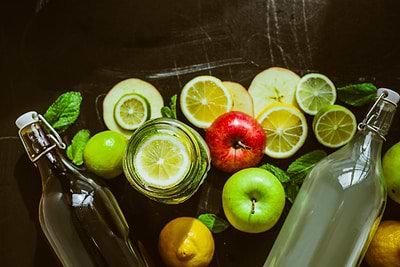
When you want more flavor, the CDC suggests adding berries or slices of lime, lemon, or cucumber to water. [¹] Try strawberries and basil, or cucumber and lime, and let the pitcher chill in the fridge for a few hours. Pour it over sparkling water, and you've got flavored bubbles with zero effort.
If You Love a Little Sweetness: Sparkling Water With a Splash of Juice
Missing fizzy drinks? The CDC suggests adding a splash of 100% juice to plain sparkling water for a refreshing, low-calorie drink.[¹]
Start with a couple of ounces of juice and adjust from there. Tart cherry, pomegranate, and grapefruit juice each bring their own personality to the glass.
If You Love the Ritual: Unsweetened Iced Tea or Coffee
Sometimes soda is really about the afternoon pause. Unsweetened iced tea or cold brew can fill that spot nicely. In the CDC's chart of common drinks, unsweetened tea comes in at 0 teaspoons of sugar per 12 ounces.[¹] Mayo Clinic includes unsweetened tea or coffee among its low-calorie recommendations, too. [²]
If You Want It All: Fizz, Fruit Flavor, and a Tablespoon of ACV
Want the bubbles, real fruit flavor and a touch of sweetness in one can, plus a tangy twist? Sparkling apple cider vinegar drinks bring it all together. They combine apple cider vinegar with sparkling water and flavor, often from fruit juice. The result is tart, tangy and bright, a bit like sparkling lemonade with more depth.
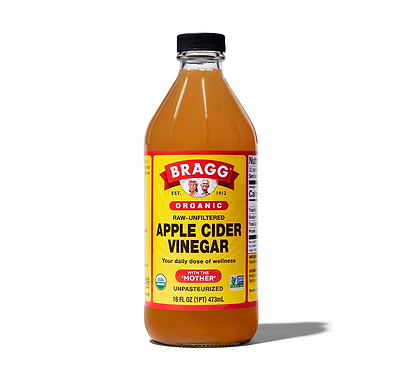
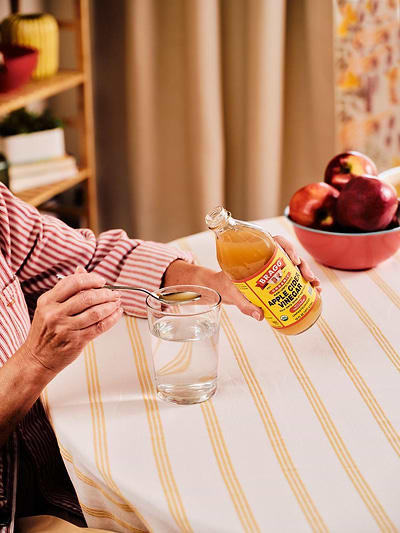
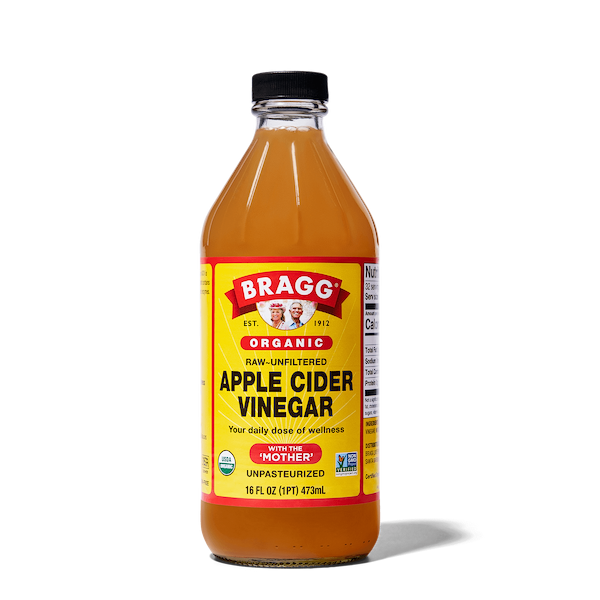
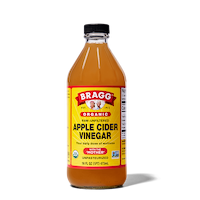
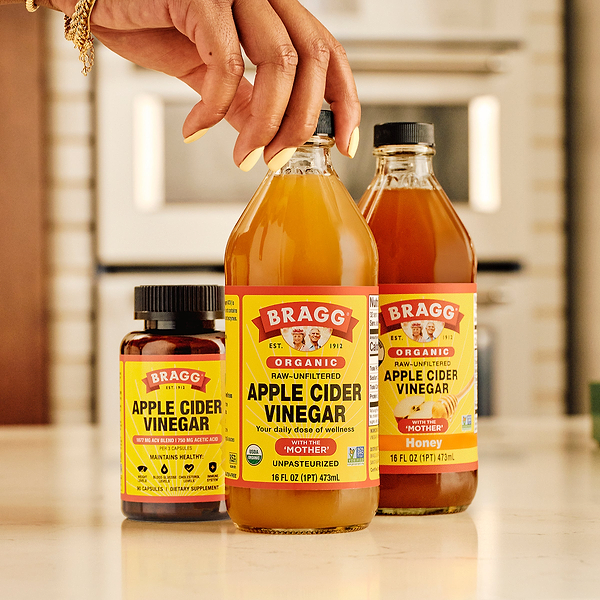
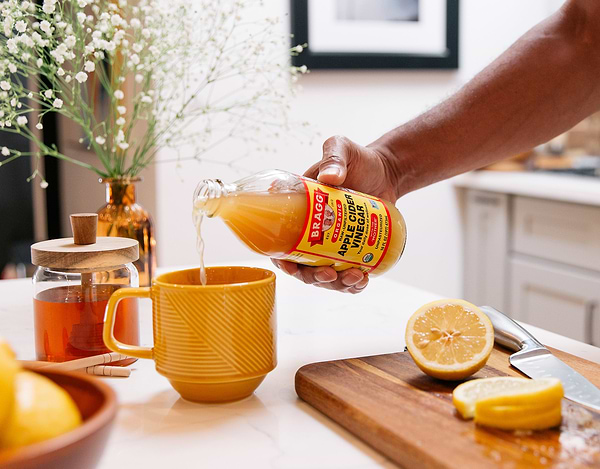
You can make one at home with our Sparkling Grapefruit ACV Drink, which mixes 1 tablespoon of Bragg® Organic Apple Cider Vinegar with fresh grapefruit juice, lemon juice, and sparkling water over ice.
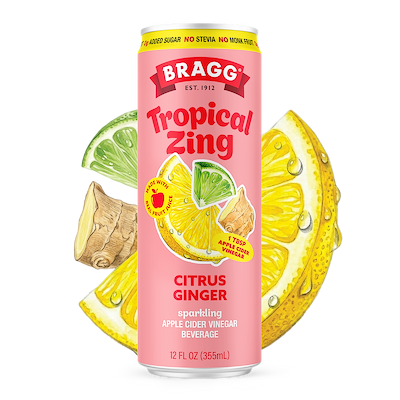
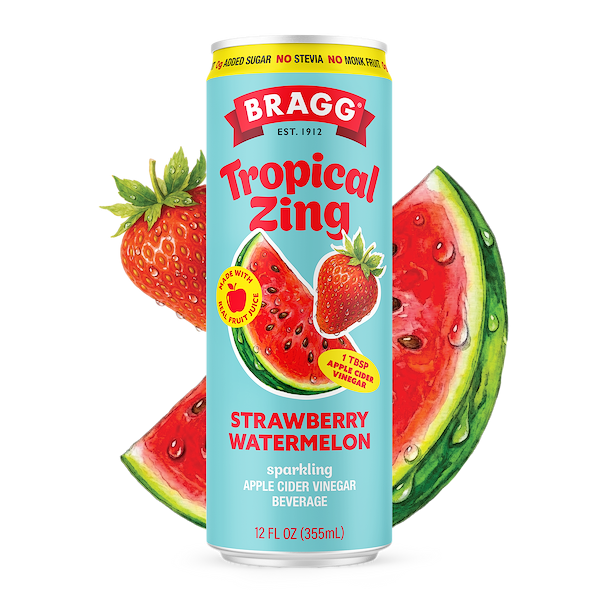
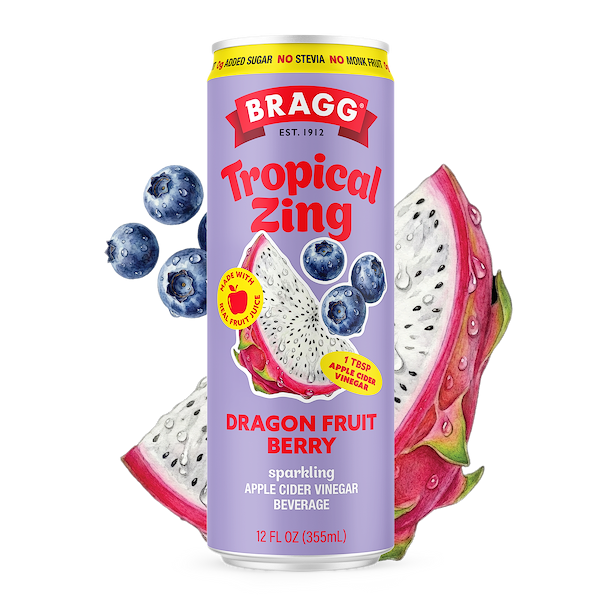
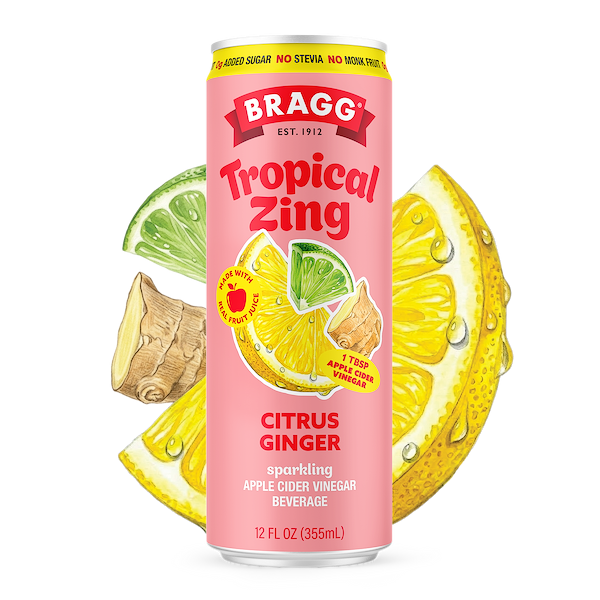
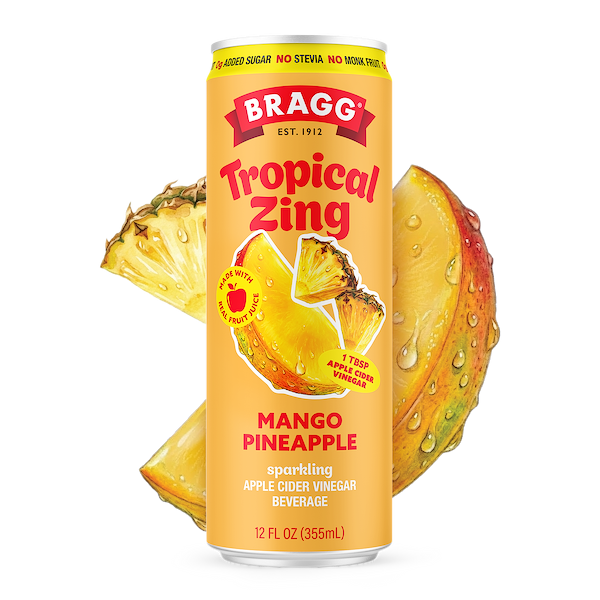
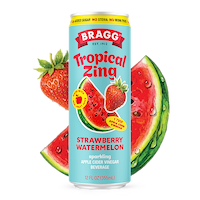
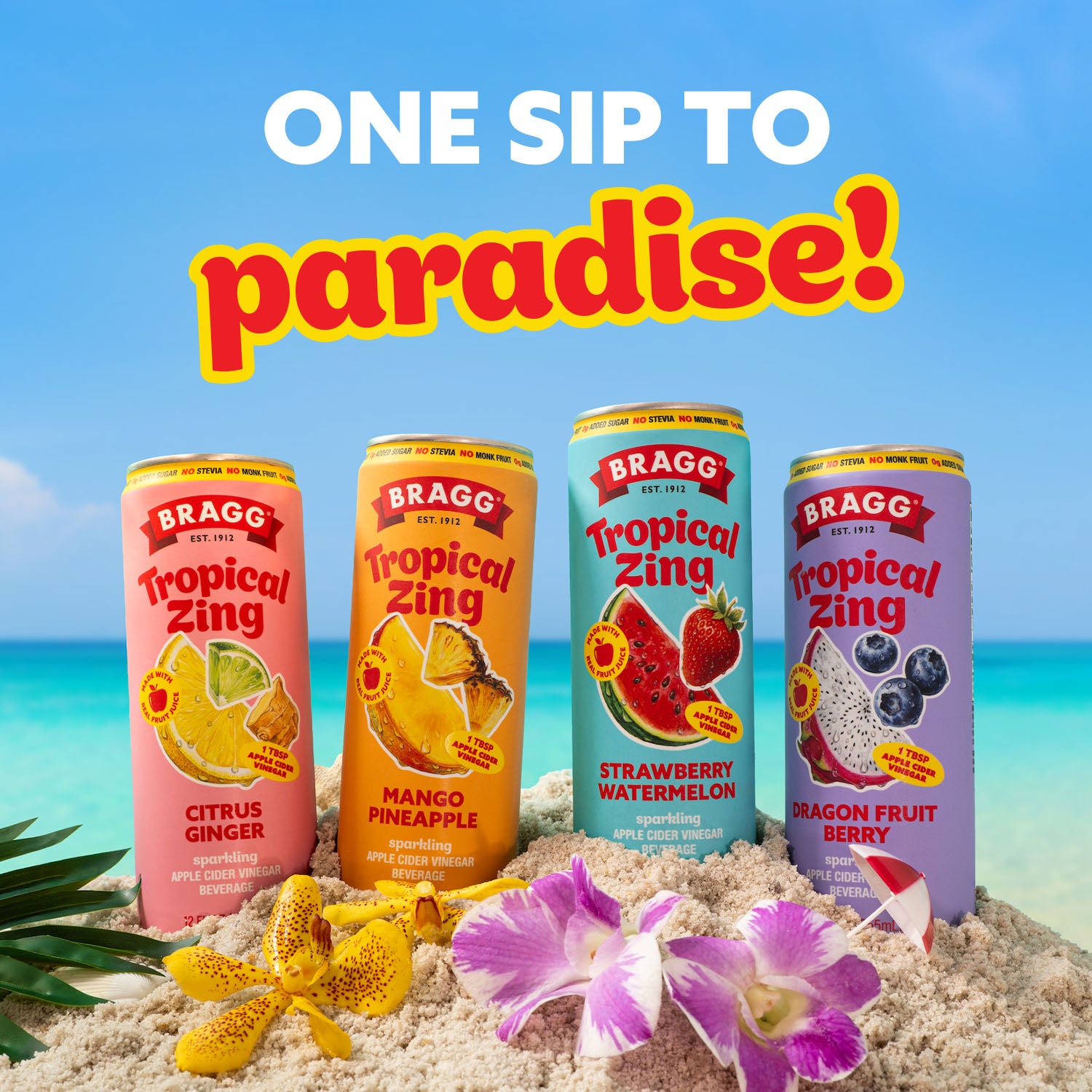
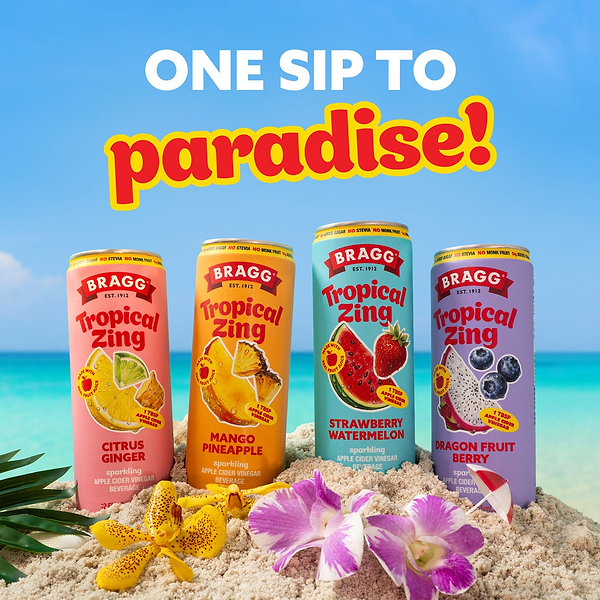
For a ready-to-drink option, Bragg® Tropical Zing is a sparkling apple cider vinegar beverage made with real fruit juice, 0g added sugar, and one tablespoon of ACV in every can. It comes in four tropical flavors: Strawberry Watermelon, Citrus Ginger, Dragonfruit Berry, and Mango Pineapple.
Curious how these drinks are made and how they compare to other bubbly options? Our guide to apple cider vinegar soda covers the whole category.
Healthy Carbonated Drinks and Classic Sips: A Quick Sugar Comparison
Numbers make the fizzy aisle easier to navigate. Here's how common drinks compare, based on the CDC's chart of sugar and calories per 12-ounce serving.[¹]
| Drink (12 oz) | Teaspoons of sugar | Total calories |
|---|---|---|
| Regular orange soda | 13 | 195 |
| Fruit juice drink | 10 | 186 |
| Regular soda | 10 | 155 |
| Brewed sweet tea | 7 | 115 |
| Lemonade (powder, prepared with water) | 3 | 55 |
| Bragg Tropical Zing | ~2 (9g total sugar, 0g added) | 40 |
| Unsweetened tea | 0 | 0 |
| Plain water | 0 | 0 |
From the Tropical Zing Nutrition Facts label, not the CDC chart. All 9g of sugar comes naturally from real fruit juice, with 0g added sugar, no stevia and no monk fruit. For anything not on the chart, such as sparkling water with a splash of juice, the Nutrition Facts label has the numbers you need.
How to Read the Label on Any Fizzy Drink
The label is where healthy alternatives to soft drinks really show their stripes. Here's what to look for:
- Added sugars vs. total sugars: The FDA explains that total sugars include sugars naturally present in foods like fruit, as well as any added sugars. Added sugars include sugars from syrups, honey, and concentrated fruit or vegetable juices. [³] A drink made with real fruit juice can list 0g added sugars and still show some total sugars from the fruit, so both numbers are worth a look.
- Percent Daily Value. According to the FDA, 5% Daily Value or less is a low source of added sugars, and 20% Daily Value or more is a high source. [³]
- Serving size. Check whether the numbers are per can or per serving, since a larger bottle can hold more than one serving.
- The ingredient list. The CDC lists common names for added sugars, including high-fructose corn syrup, cane sugar, dextrose and sucrose. [¹]
- The sweetener. Some better-for-you drinks are sweetened with stevia or monk fruit. Others, like Bragg Tropical Zing, get their sweetness only from real fruit juice. Checking the ingredient list shows you which kind you're choosing.
If you've been searching for a low-sugar soda or a soda with no added sugar, these four checks make it easy to compare options side by side.
Small Swaps, Consistent Habits
Healthy soda alternatives don't have to be complicated. Wellness is often built through consistent habits over time, and your drink routine is no different. Swapping one soda a day for sparkling water, fruit-infused water, or an ACV sparkler is a simple place to start. The CDC also suggests keeping a jug or reusable bottles of cold water in the fridge, so a refreshing option is close at hand. [¹]
Pair those swaps with balanced meals, regular movement, and good sleep, and you've got a daily routine built for vibrant living. Bragg has championed that kind of everyday wellness since 1912, and we're still pouring.
Please consult your healthcare practitioner about any health-related concerns.
Frequently Asked Questions About Healthy Soda Alternatives
What can I drink instead of soda?
Water, including unsweetened sparkling water, is the CDC's first suggestion. [¹] From there, fruit-infused water, sparkling water with a splash of 100% juice, unsweetened iced tea, and sparkling apple cider vinegar drinks like Bragg Tropical Zing are all flavorful options to explore.
Is sparkling water a good substitute for soda?
Unsweetened sparkling water keeps the bubbles without added sugars. The CDC includes unsweetened sparkling water when it recommends choosing water over sugary drinks. [¹]
What are good soda alternatives for people who like sweet flavors?
Sparkling water with a splash of 100% juice is a combination the CDC suggests for anyone missing fizzy drinks. [¹] Ready-to-drink sparkling ACV beverages like Bragg Tropical Zing are another option, sweetened only by real fruit juice, with 0g added sugar and no stevia or monk fruit.
Does "0g added sugar" mean a drink has no sugar?
Not necessarily. According to the FDA, total sugars include sugars naturally present in ingredients like fruit, while added sugars are listed separately. [³] A drink made with real fruit juice can have 0g added sugars and still contain naturally occurring sugars. For example, Bragg Tropical Zing has 0g added sugar and 9g of naturally occurring sugar from real fruit juice per can.
Read More From Bragg
Thirsty for more? These reads pair nicely with your next fizzy swap.
- What Is Apple Cider Vinegar Soda? Your Guide to Sparkling ACV Drinks: How sparkling ACV drinks are made and how they compare to other bubbly options.
- How Much Water Should I Drink? What Research Says About Staying Hydrated: A closer look at everyday hydration habits.
- How to Make Apple Cider Vinegar Taste Even Better: Recipes and Tips: Easy ways to bring ACV into drinks and meals you'll look forward to.
- Lemon Water vs. Apple Cider Vinegar: Two tangy pantry favorites, side by side.
- Apple Cider Vinegar Citrus Ginger Mocktail: A five-minute fizzy mocktail for your next get-together.
- What Vibrant Living Really Means: The Bragg® Philosophy Explained: The mindset behind small, consistent habits.