











GLP-1 is suddenly everywhere. Whether it’s wellness podcasts or dinner-table conversations, everyone is discussing appetite hormones, fullness signals, and the science behind feeling satisfied after a meal. But with all the noise, it’s easy to feel overwhelmed, or worse, misled.
Before supplements, injections, or buzzwords entered the chat, GLP-1 had a quieter role: it’s a hormone your body already produces as part of digestion and appetite regulation. While medications have made it well-known, there’s growing interest in understanding how lifestyle, dietary choices, and botanicals may support the body’s natural processes.
We’ll walk through what GLP-1 is, how the hormone works in the body, what GLP-1 support supplements actually are in the wellness space, and how food-first habits (such as fiber intake and simple ingredients like apple cider vinegar) fit into the bigger picture.
Important note: The information in this guide is for educational purposes only. Lifestyle choices, foods, and dietary supplements are not a replacement for medications prescribed by a healthcare professional for a medical condition. This resource is intended for people who want a general understanding of the GLP-1 hormone and how everyday habits may support the body’s natural processes.
The Rise of GLP-1 Interest & Appetite Control
GLP-1 went from a quiet line in physiology textbooks to the main character in wellness media almost overnight. GLP-1 is a hormone that our bodies naturally produce.
Once the medical community developed methods to replicate and enhance GLP-1's effects on appetite regulation, post-meal blood sugar responses, and fullness signals, interest surged.
Add in dramatic before-and-after stories tied to prescription GLP-1 therapies, medications designed to mimic or act on the body’s GLP-1 signaling pathways, and suddenly everyone wants to know: Are there ways to support these same systems through lifestyle, food choices, or supplements? That excitement surrounding GLP-1 is understandable, but it also needs additional context.
Additionally, social media tends to flatten nuance. Randomized controlled trials turn into sound bites, and the results of years of peer-reviewed clinical studies are compressed into a single sentence like “this boosts GLP-1.” This jump from complex science to simplified promise is exactly where confusion starts. Especially when it reaches the supplement industry.
Our goal in this guide is to slow that conversation down. GLP-1 is interesting; research is evolving, and the interest is valid, but the story is more complex than “take this, and your appetite disappears.”
What GLP-1 Medications Really Are
Before supplements, prescription therapies, or buzzwords entered the chat, GLP-1 had a quieter role: it’s a hormone your body already produces as part of digestion and appetite regulation.
While GLP-1 medications have made the hormone widely known, it’s important to understand that these therapies do not contain the natural GLP-1 hormone itself. Instead, they’re designed to work with some of the same signals the body uses to regulate appetite and feelings of fullness after eating.
How the GLP-1 Hormone Works in the Body
The GLP-1 hormone is one of the body’s many post-meal messengers. When you eat, your gut doesn’t just sit and watch; it responds. Intestinal cells release GLP-1, which helps:
- Slow the rate at which food leaves the stomach, which leaves you with feelings of fullness for longer [¹].
- Supports insulin function, helping the body maintain a normal postprandial blood sugar response [²].
- Signals the brain about satiety [³], [⁴].
The positive research on this hormone is why GLP-1 is mentioned throughout clinical nutrition articles, international journal publications, and critical reviews on digestion, metabolic health, and appetite. While it’s an essential part of the post-meal puzzle, it’s only one piece.
Appetite Signaling versus Appetite Suppression
One of the biggest misunderstandings about GLP-1 is that it “stops eating.” In reality, healthy GLP-1 activity is more like a dimmer switch than a kill switch. It’s about regulating appetite, not erasing it.
Appetite is supposed to exist. Humans are meant to enjoy food, feel hunger, and feel satiety. GLP-1 helps modulate that process, making it easier for the brain to notice when enough food has been eaten.
Why Short Chain Fatty Acids & Gut Bacteria Matter
The GLP-1 hormone doesn’t operate in a vacuum. The gut environment, especially gut bacteria and what they’re fed, plays a role, too [⁵]. When we regularly eat dietary fiber (from plants, whole grains, fruits, vegetables, beans), microbes in the colon ferment that fiber and create short-chain fatty acids (SCFAs) [⁶].
Research suggests that short-chain fatty acids (SCFAs) may help stimulate GLP-1 secretion through signaling pathways in the gut, helping connect dietary fiber intake with the body’s natural appetite and digestion responses [⁷].
That doesn’t mean fiber boosts GLP-1, but it does position the gut microbiome as one of several contributors to how the body coordinates digestion and appetite signals, rather than the primary driver of those processes.
Before seeking additional tools to support appetite or metabolic health, try increasing intake of fiber-rich whole foods like vegetables, legumes, fruits, and whole grains, which can help support the underlying systems involved in digestion and satiety.
How Certain Botanicals Are Being Studied in This Context
Early research has explored the potential role of plant-derived compounds, including extracts from hibiscus (Hibiscus sabdariffa) and lemon verbena (Aloysia citrodora), in appetite regulation and metabolic signaling. Specifically, these botanicals may affect areas like post-meal glucose response [⁸], lipid metabolism, and satiety-related pathways [⁹], [¹⁰].
These ingredients are best understood within a wider nutritional and lifestyle context. When used alongside balanced meals and consistent habits, they support aspects of metabolic function that regulate appetite and energy.
Appetite Cues vs Emotional Hunger
Not all hunger is created equal.
There’s the “my body needs fuel” type (physiological hunger), and then there’s the “my day
is a lot, and the snack is close by” type (emotional hunger). GLP-1 and other appetite-related hormones, including ghrelin and peptide YY, primarily help regulate satiety, hunger cues, and food intake in response to meals [¹¹], [¹²].
Physiological hunger typically builds gradually, responds to food, and eases once energy needs are met. This is where meal composition matters. Balanced meals that include a combination of dietary fiber (such as vegetables or whole grains), protein, and healthy fats are more likely to support satiety signals and steady digestion compared to meals made primarily of refined carbohydrates [¹³].
Emerging research also suggests that GLP-1 signaling may influence reward-related eating behaviors and certain aspects of emotional appetite through gut-brain communication pathways [¹⁴].
Emotional hunger, by contrast, tends to feel more immediate, specific, and less responsive to nourishment alone. It is often linked to stress, environmental factors, or learned behavioral patterns rather than to biological energy needs [¹⁵].
When people talk about wanting to control their cravings, they’re often trying to address stress, boredom, or emotional coping patterns. No single ingredient or routine can resolve that on its own. Understanding which type of hunger is present is one of the most practical ways to support more consistent eating patterns over time.
GLP-1 Supplements
The term “GLP-1 supplements” has become increasingly common, but it can be misleading without proper context. These products do not contain the GLP-1 hormone itself, nor do they function like prescription therapies designed to act on GLP-1 receptors. Instead, they typically include ingredients that have been studied in areas related to appetite regulation, digestion, and metabolic signaling.
A better name in that sense for them might be “metabolic health supplements” because their role is to support broader systems involved in appetite, digestion, energy balance, and overall metabolic function, rather than targeting GLP-1 alone.
Research has explored how certain nutrients and plant-based compounds may interact with the body’s natural satiety pathways. Dietary fiber’s role in SCFA production is one example. Other ingredients, such as polyphenol-rich botanicals like hibiscus (Hibiscus sabdariffa) and lemon verbena (Aloysia citrodora), have been studied in clinical and mechanistic research for their potential roles in metabolic health, including pathways related to appetite and satiety.
In this context, supplements are best understood as supportive tools. They may help support dietary patterns, meal composition, and consistent eating patterns, all of which contribute to how the body regulates appetite over time. But they are not substitutes for the underlying systems that govern hunger, digestion, and metabolic health.
From a Bragg® philosophy perspective:
- Supplements can support healthy habits and lifestyle changes.
- They cannot replicate the effects of prescription-only GLP-1 therapy.
- And they absolutely shouldn’t pretend to.
Supporting the Body’s Natural Appetite and Metabolic Signaling
GLP-1 is a natural hormone produced in your gut. It’s released after you eat and plays several roles:
- It slows gastric emptying, allowing food to leave the stomach more gradually [¹⁶].
- It supports blood sugar regulation by signaling the pancreas to release insulin when glucose is present [¹⁷].
- It helps the brain register that food has arrived, contributing to feelings of fullness and satisfaction [¹⁸].
GLP-1 is part of your body’s built-in system for handling food intake, digestion, and post-meal metabolic health.
Rather than focusing on altering a single hormone, a more meaningful approach is supporting the environment in which the body’s natural signaling processes operate. Research has explored ingredients such as vinegar, soluble fiber, and saffron extract and found them to have some effect on appetite awareness, satiety, metabolic health, and/or post-meal responses [¹⁹], [²⁰], [²¹].
These ingredients are not understood to create GLP-1 or override the body’s natural systems. Instead, they, along with healthy dietary patterns and routines,y support the body’s response to food intake over time.
The Role Supplements Play
Supplements can play a supportive role in a well-rounded approach to health, especially when they’re used to complement consistent habits rather than replace them. While nutrition, meal structure, and daily routines form the foundation, supplements can help reinforce those efforts.
Supporting Foundational Nutrition
In some cases, supplements help fill in nutritional gaps that are difficult to consistently meet through food alone. This is especially true for nutrients that are only available from specific food sources. For example, omega-3 fatty acids [²²], such as DHA and EPA, play important roles in supporting brain function [²³], but their primary dietary sources, fish and shellfish, are not always consistently consumed. Products like Bragg® Vegan Omega-3 Softgels offer a plant-based source of these nutrients, helping support foundational wellness as part of a broader routine.
Supporting Daily Structure and Routine
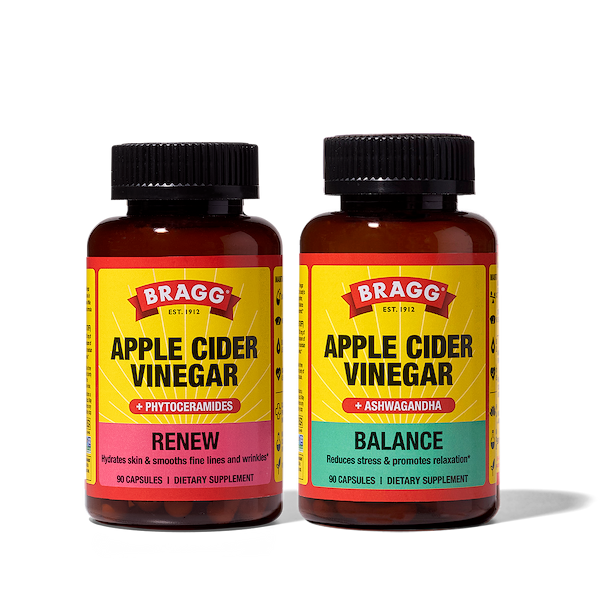
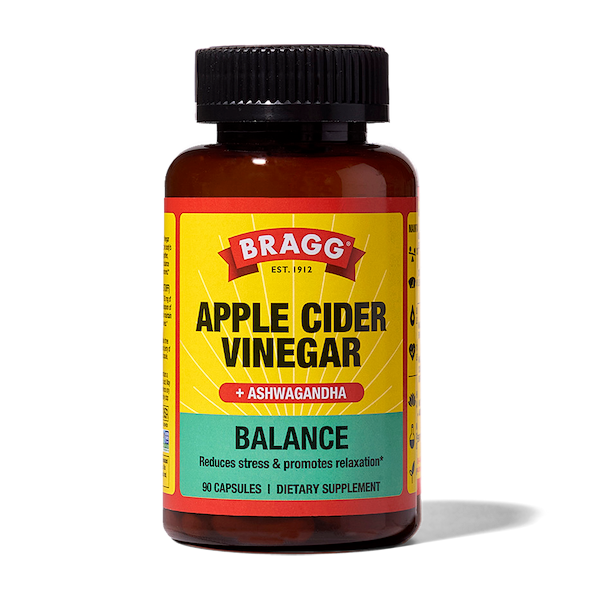
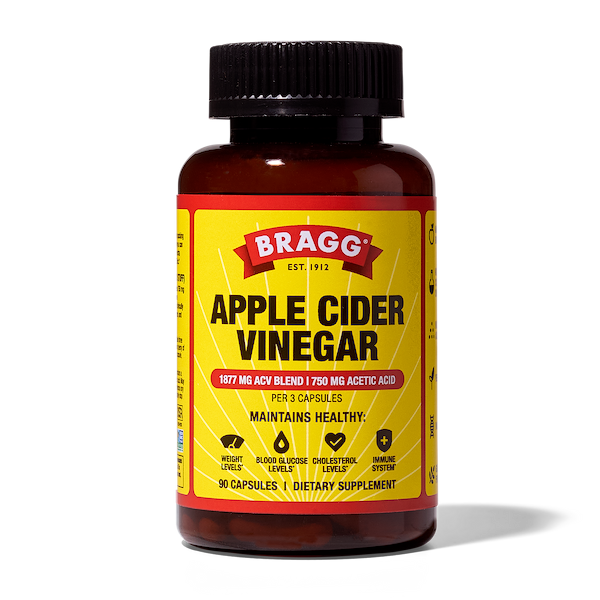
Other supplements help reinforce consistency in daily habits. Capsule-based options, including Bragg® Apple Cider Vinegar Supplements, provide a standardized amount of acetic acid, making it easier to build repeatable patterns around meals and daily structure.

Supporting Appetite Awareness and Eating Patterns
Certain ingredients have been studied to determine their role, if any, in how the body responds to meals and hunger cues. These include dietary fiber, apple cider vinegar, and other plant-based compounds that may support satiety and fullness.
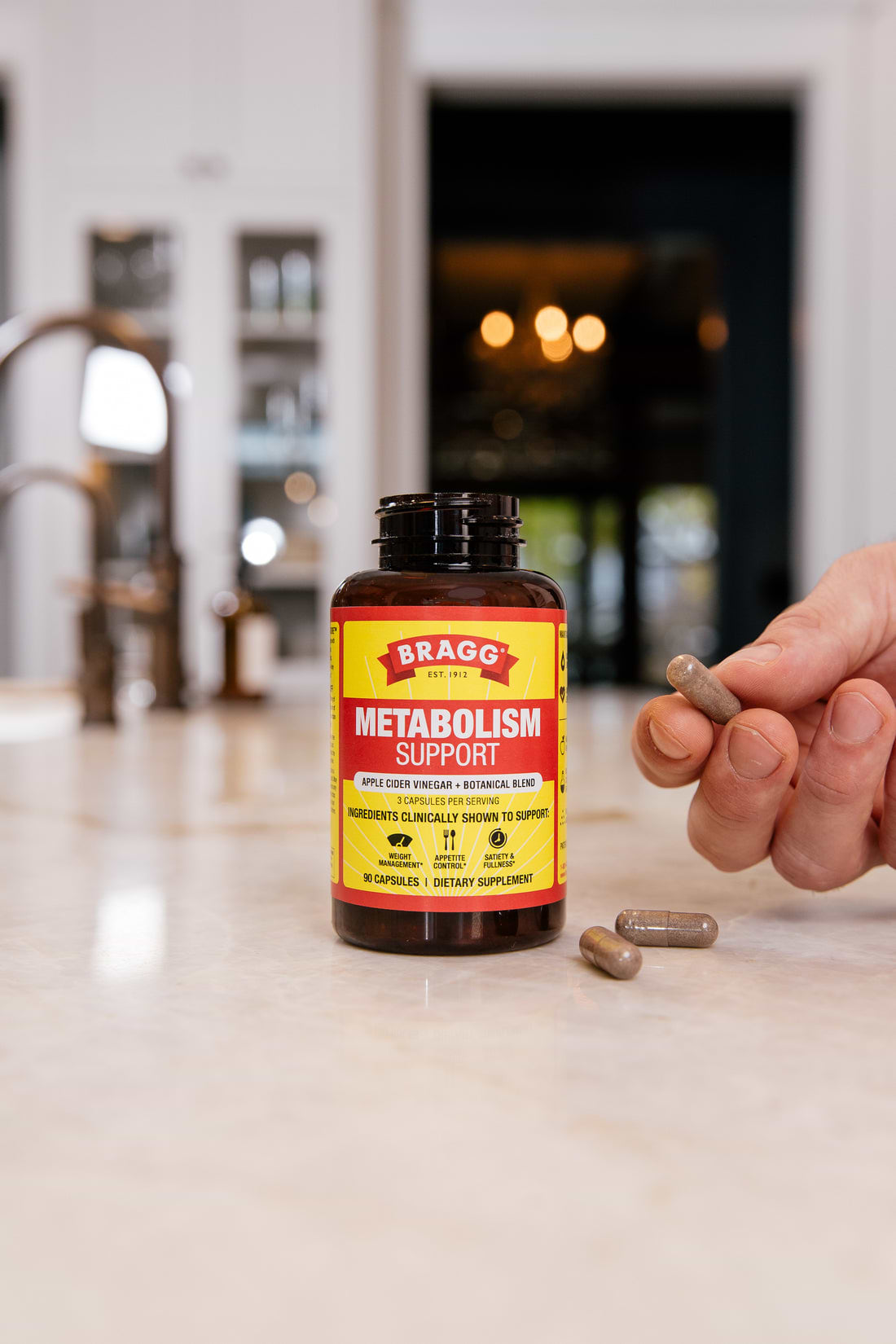
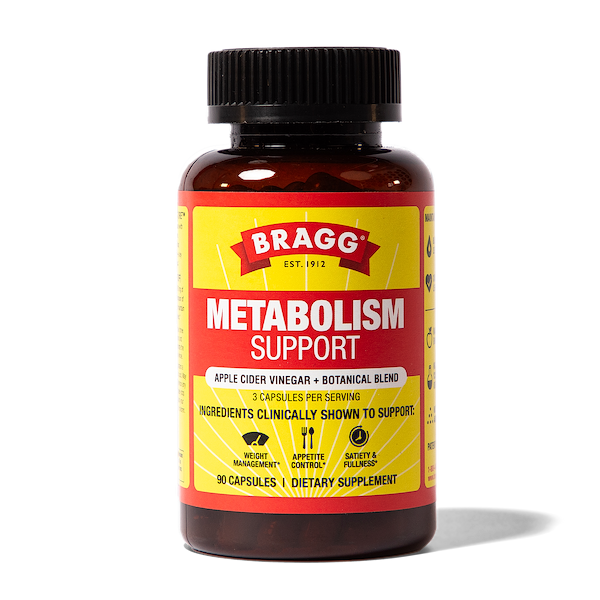
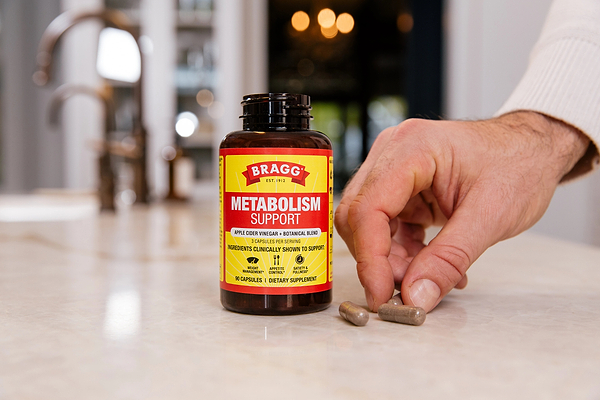
Formulations that combine these types of ingredients, such as lemon verbena and hibiscus extracts used in Bragg® Metabolism Support Supplement, are clinically shown to support areas such as appetite control, satiety and fullness, weight management, and maintaining healthy blood glucose levels.
Rather than acting as a shortcut, these products are intended to reinforce patterns that help make eating behaviors more consistent and predictable over time.
Supporting Energy and Daily Balance
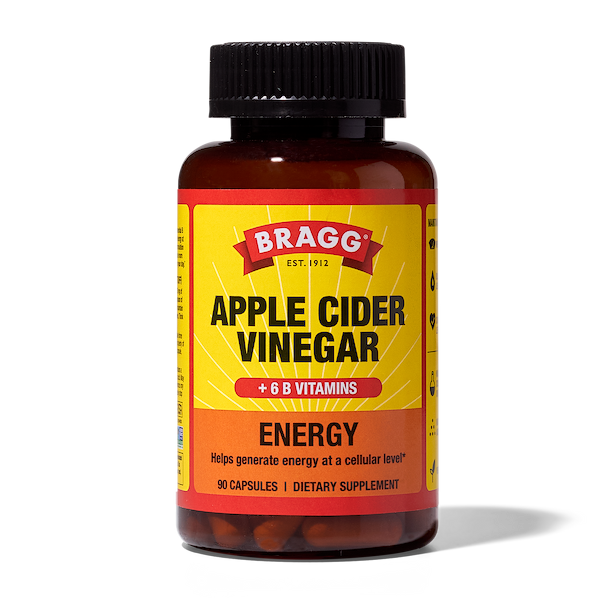
Some supplements, such as Bragg® Energy ACV Supplement, are formulated to support overall balance throughout the day, particularly amid modern routines that can feel inconsistent or demanding.
In this way, supplements can serve as supportive tools that help individuals maintain more balanced nutrient intake and stay consistent with their routines, especially during periods when regular eating patterns or daily habits are harder to maintain.
Building Structure, Not Shortcuts
Ultimately, the value of supplements comes not only from the high-quality, clinically proven ingredients they may use, but also from how they’re used. When integrated into a routine built on balanced nutrition and consistent habits, they can help reinforce structure and make those habits easier to maintain.
Over time, it’s that structure, not isolated changes, that supports more stable and sustainable progress.
Before Considering Supplements
There’s a reason this guide spends time on biology before bottles: if you don’t understand the system, it’s easy to overestimate the tools.
So before asking, “What should I take?” it’s worth asking:
- Am I eating regularly, or skipping meals and then overeating?
- Am I getting enough protein, healthy fats, and fiber to support satiety?
- Am I sleeping, hydrating, and moving?
- Have I checked in with a healthcare provider if something feels off?
Once those questions have honest answers, supplements can be evaluated in their proper role: as supplements to nutrition, not as the basis for a healthy lifestyle.
Appetite Regulation: What the Science Says
Appetite is largely influenced by how signals travel between the gut and the brain.
After you eat, your gut and brain have an ongoing conversation involving hormones like GLP-1, peptide YY, ghrelin, and others [²⁴]. When meals include protein and dietary fiber, the body tends to send robust satiety signals: digestion takes longer, food intake is paced, and the brain gets a clear “we’re covered for now” memo.
When meals are made mostly of refined carbohydrates and very little else, those signals can be weaker or shorter-lived [²⁵]. That’s when people often feel like they’re “never full,” even though they’re eating plenty of calories.
Before asking “How do I hack appetite?”, it’s worth asking “Have I fed the system what it actually needs to enhance satiety?”
The Difference Between Fullness and Restriction
Fullness and restriction can both lead to reduced eating, but they are not the same process. Fullness refers to the body’s physiologic satiety response after eating, while restriction refers to the conscious effort to limit intake, often by overriding hunger or satiety cues.
The GLP-1 hormone is involved in the fullness side of that distinction. After food intake, GLP-1 contributes to satiation through gut–brain signaling pathways and by slowing gastric emptying, which can help reduce meal size and support a greater sense of fullness [²⁶].
Restriction works differently. Rather than reflecting a physiologic satiety signal, it relies on conscious control of intake. That distinction matters because eating less due to fullness is not the same as trying not to eat despite hunger [²⁷].
Weight Gain, Weight Loss & Healthy Weight: A Realistic Middle Ground
Weight maintenance is often treated like a simple math problem: calories in, calories out. The reality is, there are other parts to the equation.
Body weight can shift due to changes in caloric intake, as well as chronic stress, sleep debt, and more [²⁸]. Two people can eat and move the same way yet have entirely different weight-gain or weight-loss trajectories.
That’s why clinical trials in obesity medicine are so complex: they’re not just counting calories; they’re evaluating a combination of biological, behavioral, and lifestyle factors that shape weight outcomes over time. When we collapse all of that into “just eat less” or “just move more,” it’s not just unhelpful...it’s incorrect.
When the GLP-1 hormone comes up, it’s helpful to see it in context. It’s one piece of a much larger system that influences how the body regulates appetite and weight over time, not the full picture.
Language Shift: From Lose Weight to Metabolic Health
There’s nothing wrong with wanting to feel better in your body. But constantly chasing a number on a scale can be exhausting. A more grounded approach focuses on metabolic health rather than a single metric on the scale.
Metabolic health refers to how efficiently the body manages and uses energy. It involves multiple interconnected processes, including blood sugar regulation, appetite signaling, digestion, energy balance, sleep, and daily eating patterns. Because these systems work together, supporting metabolic health often means looking at overall habits and routines rather than focusing on a single outcome.
Supporting metabolic health might look like:
- Supporting steadier blood sugar through balanced meals and meal timing
- Building or maintaining muscle through strength training or resistance training
- Supporting digestion and satiety with dietary fiber, lean proteins, and healthy fats
- Using routines as tools, not tests of willpower.
Incorporating Bragg® Apple Cider Vinegar before meals as part of a consistent routine may also support metabolic health. ACV has been studied for its effects on post-meal blood sugar responses and satiety when consumed with food.
Rather than changing eating habits on its own, ACV is more commonly incorporated into routines centered around mindful eating, meal consistency, and overall metabolic wellness, as explored in The Ultimate Guide to Natural Wellness: Daily Habits, Ingredients, and Routines to Support Your Health
Some research has explored vinegar in relation to post-meal blood sugar responses and satiety-related dietary patterns when consumed alongside meals [²⁹]. Rather than acting as a standalone solution, it’s often used as one small part of a more grounded, sustainable approach to feeling well over time.
The goal is to shift from “How fast can I lose weight?” to “How can I support my body so it can function more smoothly over time?”
The Role of Supplements in Weight Management
Supplements can support weight management when used as part of a broader, consistent routine. Ingredients that have been studied in areas such as satiety and metabolic health may help reinforce patterns that make daily habits easier to maintain over time.
For example, certain formulations are designed to support appetite control, satiety, and fullness, and maintain healthy blood glucose levels. When paired with balanced meals, regular movement, and consistent routines, this type of support can help individuals build more predictable patterns around eating and energy.
At the same time, it’s important to understand the role supplements are meant to play. They work best as part of a system that includes eating patterns, sleep, stress management, and overall lifestyle consistency. They are not designed to replace those foundations, but to support them.
In this context, supplements can help reinforce the behaviors that influence long-term outcomes, making it easier to stay consistent with the habits that matter most.
When to Seek Additional Support
Building supportive wellness habits doesn’t have to be something you navigate alone. Working with a qualified healthcare provider or nutrition professional can be a helpful part of developing a more personalized approach, especially when making meaningful changes to eating patterns, routines, or lifestyle habits.
There are also situations where additional guidance may be especially important. For example:
- Rapid or unexplained changes in body weight
- Persistent fatigue, dizziness, or noticeable changes in appetite
- Ongoing concerns related to metabolic health
- Difficulty establishing consistent eating patterns
In these situations, a qualified healthcare provider can help assess underlying factors and recommend an approach that may include nutrition guidance, lifestyle support, or other interventions based on individual needs.
Metabolic Health: the Foundation for a Wholesome Health
Metabolic health a network of systems working together to regulate how the body uses and responds to energy over time. Sleep [³⁰], stress hormones like cortisol, insulin signaling, thyroid function, gut microbiome activity, muscle mass, blood pressure, circadian rhythm, and many other interconnected processes all play roles in supporting metabolic health [³¹].
When these systems are supported together, the body is better able to maintain balance and respond more predictably to changes in diet, activity, and routine. This is why a more sustainable approach to metabolic health focuses on building a strong foundation across these areas, rather than relying on a single input or outcome.
Supporting metabolic health means creating conditions where these systems can work together more effectively over time. This includes consistent eating patterns, adequate sleep, regular movement, and routines that reinforce stability rather than extremes.

Bragg® Metabolism Support Supplement
At Bragg®, the philosophy starts with the right mindful nourishment, daily balance, and plant-forward eating. Whole ingredients, balanced meals, and consistent habits form the foundation. From there, supplements can extend that approach into a more structured routine.
In our Metabolism Support Supplement, ingredients such as lemon verbena, hibiscus, and apple cider vinegar are combined to support a more comprehensive approach to metabolic wellness.
This reflects a broader shift toward ingredient blends designed to support specific areas of wellness through complementary formulations rather than relying on a single ingredient alone. Today, many supplements are formulated with combinations of nutrients and botanicals that work together to support metabolism, energy, sleep, heart health, and overall daily balance.
Shop Bragg® Metabolism Support Supplement
Inside the Formula
Botanical Blend (Metabolaid: Hibiscus + Lemon Verbena)
This blend brings together two plant-based ingredients with a long history of use in tea and herbal preparations. In modern formulations, research has explored the combination’s role in satiety and the response to food intake over time [³²].
If you’re interested in learning more about how botanicals are commonly incorporated into wellness routines, this article offers a broader overview: What Is Ashwagandha? Benefits, Uses, and Potential Side Effects
Acetic Acid (from Apple Cider Vinegar)
Acetic acid is what you could call “the good stuff” in apple cider vinegar. It’s a naturally occurring compound produced during fermentation, and in supplement form, it's available at a measured dose of 750 mg to be used consistently within a formula [³³].
Research has shown that ACV may support weight management, blood sugar patterns [³⁴], and digestive processes when part of a healthy wellness routine.
It’s important that apple cider vinegar is used alongside broader lifestyle habits such as balanced meals, regular movement, and consistent routines. These factors work together to support digestion, post-meal responses, and overall metabolic health.
If you’re exploring how ingredients like lemon verbena and apple cider vinegar fit into a bigger picture of daily habits, this guide is a helpful place to start: Ultimate Guide to Natural Wellness: Daily Habits, Ingredients, and Routines to Support Your Health.
GLP-1 in the Metabolic Puzzle
GLP-1, as a naturally occurring hormone, plays a role in appetite regulation, digestion speed, and how the body responds to food after meals. However, it is one part of a broader network of systems that work together to regulate energy balance over time.
This includes other appetite-related hormones such as ghrelin and peptide YY, as well as processes like insulin signaling, sleep patterns, stress responses, and daily eating habits, all of which influence how the body manages hunger, fullness, and energy [³⁵].
When GLP-1 is discussed in isolation, it can oversimplify how these systems actually function. In reality, the body’s response to food and energy intake depends on how these factors work together over time. Supporting these systems involves consistent habits, including balanced meals, regular routines, and attention to overall lifestyle patterns.
Eating for Steadier Internal Signals
Stable metabolism is rarely about eating less; it’s about eating in a way that supports more consistent responses over time.
Meals that include dietary fiber [³⁶], whole grains, and lean proteins [³⁷] tend to digest more gradually.
These patterns create a more stable foundation that supplements can complement, particularly during periods when routines, meal timing, or overall nutrient intake may feel less consistent.
In this way, food and supplements can work together as part of a broader wellness approach. Balanced meals provide the foundation, while supplements can help support everyday routines and nutritional consistency over time.
Turning Wellness into a Lifestyle, Not a Trend
Lifestyle change has a branding problem.
It’s often framed as dramatic. New routines, new rules, new everything. In reality, the most effective changes are the least disruptive ones. They don’t demand reinvention; they ask for better structure.
This matters because appetite, energy levels, and post-meal responses have been shown to be more stable when eating patterns and meal structure are more consistent over time [³⁸]. More consistent routines and balanced meals help create a steadier foundation for how the body responds to food throughout the day.
This is where the Bragg® approach lives. Not in extremes. Not in hacks. In small, repeatable choices that make healthy habits easier to return to, even on busy days.
Build Structure Around Meals, Not Control Around Food
Before focusing on what to eat, it’s worth looking at how meals fit into your day. Skipping meals, eating inconsistently, or consuming most of your calories late at night can make hunger cues feel less predictable and may contribute to increased hunger later in the day.
The goal isn’t perfection or rigid scheduling. It’s creating eating patterns that feel realistic, supportive, and easier to maintain consistently over time.
Bragg®-worthy Tip: Create clear meal moments as often as possible, even if the meals themselves are simple. A consistent lunch. A real dinner. A pause to eat instead of grazing between meetings.
Where Apple Cider Vinegar Fits
Apple cider vinegar works great as part of a meal. A vinaigrette over vegetables. A splash was added to a grain bowl dressing. Pickled vegetables are served alongside a meal. These small additions turn eating into an intentional act rather than a rushed task.
This is one reason Bragg® prioritizes ACV as a culinary ingredient.
To learn more about how to incorporate ACV into your cooking, start here: Which Apple Cider Vinegar Is Best for Cooking?
Use ACV to Create Ritual
One of the most overlooked drivers of consistency is ritual. Ritual removes decision fatigue. It tells your brain, “This is what we do here.” When people struggle with healthy habits, it’s often not because they don’t know what to do; it’s because they’re trying to decide what to do every time.
Bragg®-worthy Tip: Choose one repeatable ACV ritual you can stick with
- The same salad dressing at lunch
- Pickled vegetables are represented once a week
- A diluted ACV drink paired with dinner
No rotating plans. No “fix everything” energy. Just one reliable anchor.

Why This Works
Routines help create more predictable eating patterns and steadier day-to-day habits. When energy levels feel inconsistent, it can also become harder to maintain balanced meals, regular meal timing, and other supportive wellness habits throughout the day.
That’s part of the thinking behind products like Bragg® Energy ACV Supplement, which is designed to support steady energy as part of a broader wellness routine. Rather than relying solely on stimulants or quick bursts of energy, the focus is on building more sustainable daily patterns that feel realistic to maintain over time.
This philosophy appears throughout Bragg® education content, especially in how we discuss sustainable habits and balanced energy routines. Want to know more? Check out this article: Energy, Hold the Caffeine
Eat in a Way That Also Supports Satisfaction, Not Just Discipline
A significant reason some lifestyle changes become difficult to maintain is that meals may feel either physically unsatiating or psychologically unsatisfying. Satiation refers to the body’s physiological feeling of fullness during eating, while satisfaction relates more to how enjoyable and complete a meal feels overall
Bragg®-worthy Tip: Build meals around components, not rules…
- Something satiating (protein or legumes)
- Something fibrous (vegetables, whole grains)
- Something flavorful (acid, herbs, healthy fats)
Our philosophy supports the pace of digestion and makes meals feel intentional rather than transactional.
How Bragg® Supports This
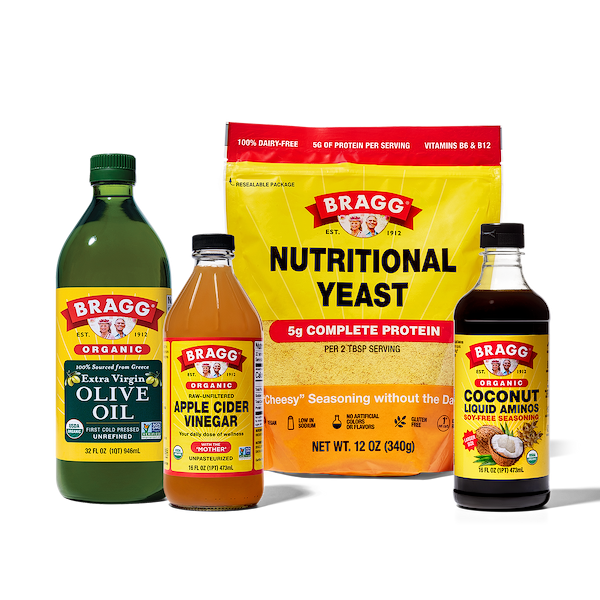
Bragg® dressings are designed to make real food something you genuinely enjoy, not something you tolerate. From our seed oil-free vinaigrettes to our extra virgin olive oil for cooking, these are everyday tools for building meals you actually want to repeat.
Our product lineup is crafted from organic, raw, non-GMO, kosher, unfiltered, and vegan ingredients, reflecting the same food-first philosophy that Bragg® has held for over a century.
After all…when vegetables, whole grains, and lean proteins taste great, healthy habits become easier to keep, and that’s what long-term wellness is built on.
Try these recipes:
- Vegan Chickpea 'Tuna' Casserole
- Butternut Squash + Lentil Chili
- Watermelon Ahi
- HealthyGirl Pasta Bowl
Slow the Eating Experience
Eating quickly can make it harder for the body’s natural satiation signals to fully register during a meal. Satiation refers to the physiological process that signals fullness during eating, involving communication between the digestive system, appetite-related hormones, and the brain.
Research has shown that slower eating is associated with increased feelings of fullness and may influence how much food is consumed during a meal [³⁹]. Taking more time to eat may help support the body’s natural appetite signaling processes by allowing those cues more time to develop as digestion begins.
Bragg®-worthy Tip: Add elements to meals that naturally slow eating…
- Crunchy vegetables
- Acidic flavors (like vinegar or citrus)
- Foods that require chewing
Learn more about the science behind vinegar: Let’s Talk About Acetic Acid
Design Habits for Your Hardest Days, Not Your Best Ones
The most sustainable lifestyle changes aren’t built for motivation; they’re built for fatigue. If a habit only works when life is calm, it won’t last.
Bragg®-worthy Tip: Create a “minimum effective routine”...
- One meal per day that feels balanced
- One vegetable you actually enjoy
- One familiar flavor profile (like an ACV dressing you already like)
That’s the baseline. Anything extra is a bonus. This is why Bragg® doesn’t push rigid protocols. Wellness that only works in ideal conditions isn’t wellness…it’s performance. Food-first habits should flex with real life.
Lifestyle Is the Environment Your Body Responds To
Ultimately, appetite, digestion, and energy are shaped by a variety of interconnected factors, including eating patterns, sleep, movement, stress, and overall lifestyle habits, not just a single hormone or ingredient.
Apple cider vinegar fits into this picture because it:
- makes meals more enjoyable
- encourages structure and ritual
- supports consistency without rigidity
- keeps wellness grounded in food, not fear
Products such as Bragg® Metabolism Support Supplement build on that same philosophy by combining apple cider vinegar with ingredients like lemon verbena and hibiscus in a formula designed to support metabolic wellness as part of a broader lifestyle approach.
When lifestyle changes are practical, they stick. And when wellness lives in the kitchen, it becomes something you can actually sustain.
Want to read more? Check out All Wellness Blogs and All Science Blogs
FAQs
What is GLP-1, and why is everyone talking about it?
GLP-1 (glucagon-like peptide-1) is a hormone your body naturally produces during digestion. It plays a role in appetite regulation, digestion speed, and how the body responds to food after meals. Interest in GLP-1 has grown with the availability of prescription medications that act on this pathway, but the hormone itself has always been part of normal human physiology.
Can supplements increase or “boost” GLP-1 levels?
Certain ingredients in supplements have been studied for their potential roles in appetite regulation, satiety, and post-meal responses. In that context, supplements may help support the broader systems involved in these processes when used alongside consistent habits like balanced eating and exercise
Rather than directly altering GLP-1 itself, supplements are more commonly used to support broader wellness routines related to eating patterns and daily energy balance.
Where do supplements fit into a healthy lifestyle?
Supplements are best used as supportive tools within a broader routine that includes balanced meals, regular eating patterns, and consistent lifestyle habits. They can help reinforce structure, add convenience, and support areas related to appetite, satiety, and metabolic health over time.
Some formulations, such as Bragg® Metabolism Support Supplement, are made with clinically studied ingredients that support the body’s natural GLP-1 production. In this context, “support” refers to ingredients that have been studied for their effects on appetite regulation and satiety-related pathways, which help the body signal fullness after eating.
Clarity Over Hype, Support Over Shortcuts
To sum it up, GLP-1 has taken over the cultural conversation, and with it, a lot of confusion. GLP-1 isn’t a trend to chase; it’s part of a metabolic system your body already uses.
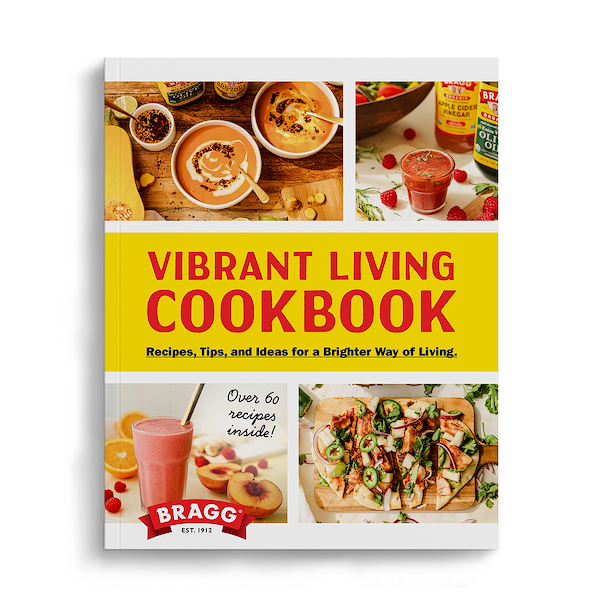
If you only take away just one thing, it’s that solutions don’t have to live at extremes. Improvements are built through consistent habits, balanced meals (like those in our Vibrant Living Cookbook), and routines your body can rely on. This is where supplements can play a valuable role, not as replacements for balanced meals and lifestyle habits, but as supportive additions to an overall wellness routine.
This is about building a routine that works, and then using the right tools to support it. Because a healthy life isn’t built by hacks, it’s built by habits, and the tools that help you stick with them.
Sources
- https://pmc.ncbi.nlm.nih.gov/articles/PMC11620716/
- https://www.cell.com/cell-metabolism/fulltext/S1550-4131(18)30179-7
- https://www.nature.com/articles/s12276-021-00677-w
- https://pmc.ncbi.nlm.nih.gov/articles/PMC8714868/
- https://pmc.ncbi.nlm.nih.gov/articles/PMC10790698/
- https://pmc.ncbi.nlm.nih.gov/articles/PMC9498509/
- https://pmc.ncbi.nlm.nih.gov/articles/PMC3266401/
- https://pmc.ncbi.nlm.nih.gov/articles/PMC6165361/
- https://naturalhealthresearch.org/a-polyphenol-extract-of-lippia-citriodora-and-hibiscus-sabdariffa-improves-appetite-regulation-in-obese-individuals/
- https://pubs.rsc.org/en/content/articlehtml/2018/fo/c8fo00367j
- https://pmc.ncbi.nlm.nih.gov/articles/PMC3286726/
- https://www.ncbi.nlm.nih.gov/books/NBK547692/
- https://www.ncbi.nlm.nih.gov/books/NBK53550/
- https://pmc.ncbi.nlm.nih.gov/articles/PMC9549911/
- https://www.sciencedirect.com/science/article/pii/S0273229724000170
- https://pmc.ncbi.nlm.nih.gov/articles/PMC3124003/
- https://pmc.ncbi.nlm.nih.gov/articles/PMC3556522/
- https://www.nature.com/articles/s12276-021-00677-w
- https://pmc.ncbi.nlm.nih.gov/articles/PMC9193460/
- https://www.mdpi.com/2304-8158/8/1/15
- https://pubmed.ncbi.nlm.nih.gov/20579522/
- https://ods.od.nih.gov/factsheets/Omega3FattyAcids-HealthProfessional/
- https://pmc.ncbi.nlm.nih.gov/articles/PMC9641984/
- https://www.cambridge.org/core/services/aop-cambridge-core/content/view/FBA10A272A15A85EBF2E6E92702A4367/S0007114504001758a.pdf/peripheral-and-central-signals-in-the-control-of-eating-in-normal-obese-and-binge-eating-human-subjects.pdf
- https://pmc.ncbi.nlm.nih.gov/articles/PMC5792004/
- https://academic.oup.com/endo/article/166/2/bqae167/7954557?login=false
- https://bpspsychub.onlinelibrary.wiley.com/doi/10.1111/bjhp.12616
- https://pmc.ncbi.nlm.nih.gov/articles/PMC4688585/
- https://pubmed.ncbi.nlm.nih.gov/16015276/
- https://link.springer.com/article/10.1186/s13098-025-01871-w
- https://www.ncbi.nlm.nih.gov/books/NBK209038/
- https://pubmed.ncbi.nlm.nih.gov/29862395/
- https://pubmed.ncbi.nlm.nih.gov/25648676/
- https://pubmed.ncbi.nlm.nih.gov/38028980/
- https://www.ncbi.nlm.nih.gov/books/NBK547692/
- https://pubmed.ncbi.nlm.nih.gov/23885994/
- https://pmc.ncbi.nlm.nih.gov/articles/PMC6357517/
- https://pubmed.ncbi.nlm.nih.gov/27305952/
- https://pmc.ncbi.nlm.nih.gov/articles/PMC6357517/