

If a dry Thanksgiving turkey is a familiar holiday worry, a good brine is one of the most reassuring steps you can take in the kitchen. A brine is a flavorful bath of salt, water, and aromatics that helps a turkey hold onto moisture and take on seasoning before it ever reaches the oven.
This apple cider version keeps things simple yet memorable, which is exactly how we like it at Bragg®. Since 1912, we've believed that good food starts with simple, wholesome ingredients and a little care in the kitchen, and this brine is a delicious example.
It pairs sweet autumn cider with a splash of tangy Organic Bragg Apple Cider Vinegar, plus peppercorns, bay, thyme, rosemary, sage, garlic, orange peel, and a cinnamon stick. Below, we walk through the ingredients, timing, food safety steps, and the pat-dry finish that leads to juicy meat and crackling, golden skin. Because a great bird shouldn't require nerves of steel.
Apple Cider vs. Apple Cider Vinegar: Which One Goes in the Brine?
Both can, and each plays a different role.
Apple cider is pressed, unfermented apple juice: sweet, cloudy, and full of fruit flavor. In a brine, it adds a mellow, caramel-apple sweetness that complements the turkey's savory notes.
Apple cider vinegar is what you get when cider is fermented a step further. Yeasts turn the apples' natural sugars into alcohol, and then acetic acid bacteria turn that alcohol into acetic acid, which gives vinegar its bright, tangy edge.
That's a process we know well.
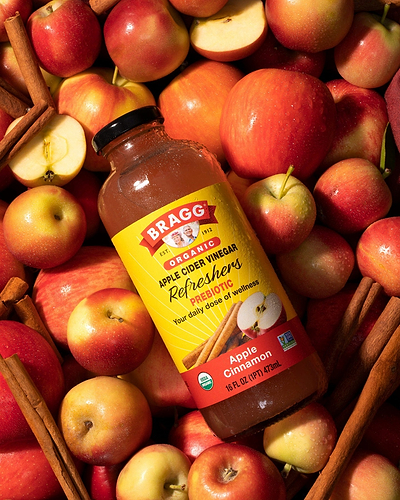
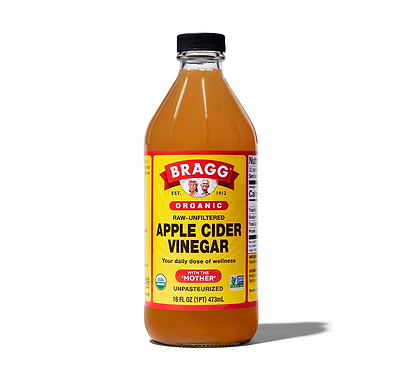
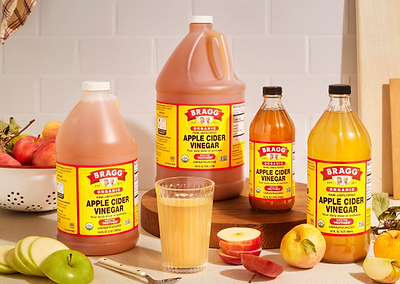
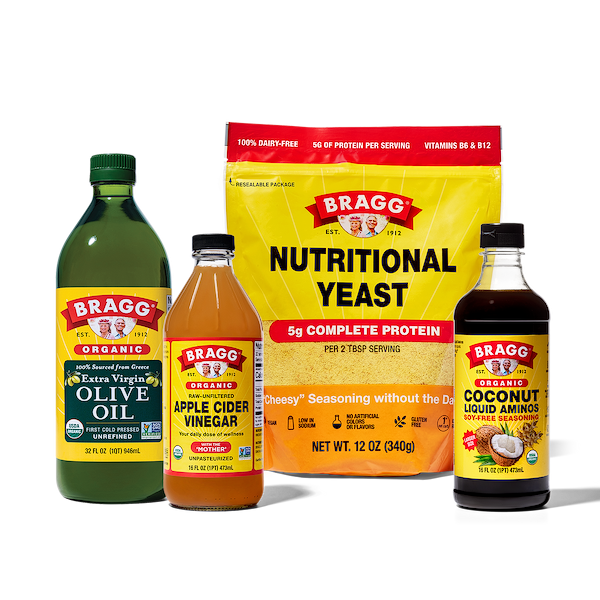
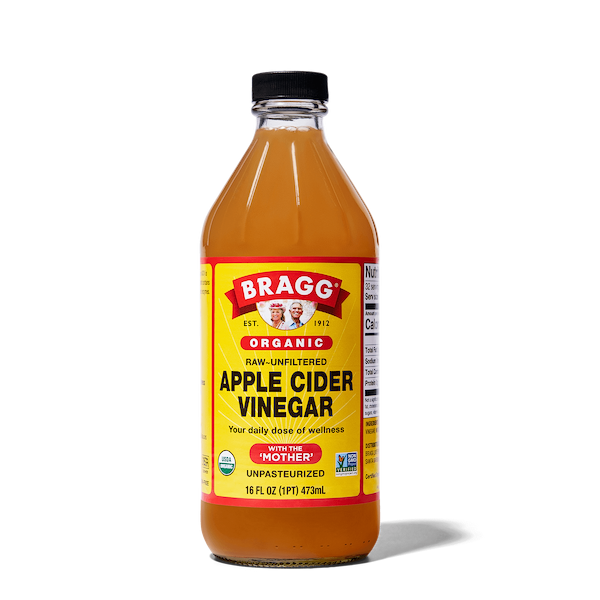
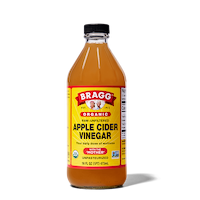
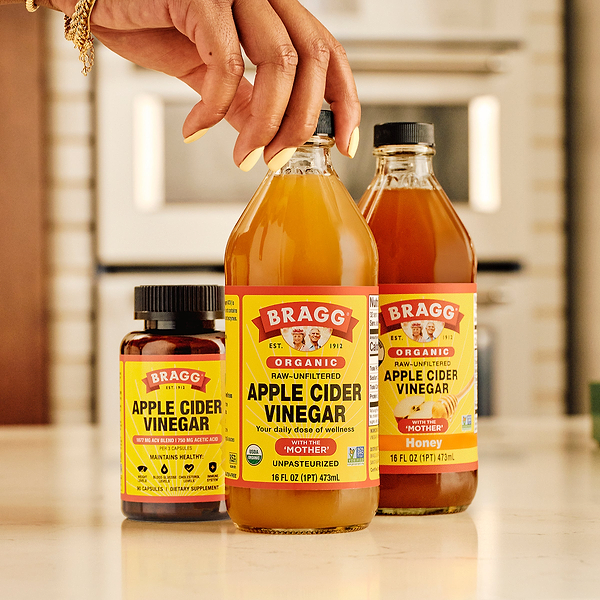
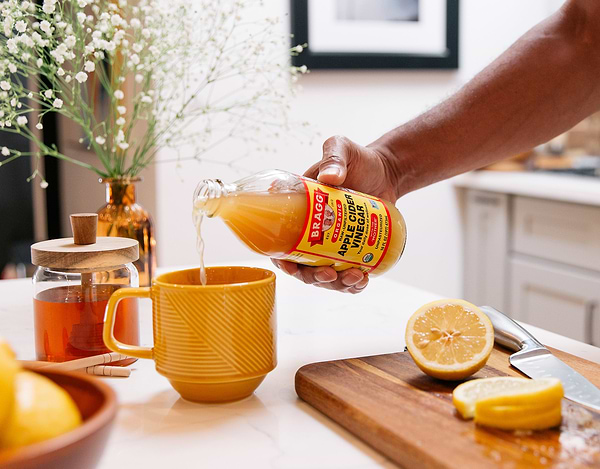
Bragg® Organic Apple Cider Vinegar is crafted from organically grown apples, naturally fermented, and bottled raw and unfiltered. It's the same pantry staple you'd reach for to whisk up a vinaigrette, and it brings that same bright character to a holiday brine.
Think of the cider as the sweetness and body, and the vinegar as the bright note that keeps the brine from tasting flat. Because vinegar is far more concentrated, this recipe uses cups of cider and just a splash of vinegar.

How Salt and Acid Work in a Brine
Salt Does the Moisture Work
In a wet brine, salt loosens some of the proteins in the muscle fibers, which helps the meat absorb a bit of the brine and hold onto that moisture as it roasts. The result is turkey that stays juicier and is seasoned throughout.
Acid Adds Flavor and a Light Tenderizing Touch
A modest amount of apple cider vinegar brings a pleasant tang and works mostly at the surface of the meat. More isn't better here: the USDA notes that too much vinegar can make meat stringy and tough. That's why this recipe keeps the vinegar to ½ cup in roughly 1½ gallons of brine.
Brining is one helpful part of the picture.
Careful roasting and a reliable thermometer matter just as much for a juicy, tender bird. It's the kind of balanced, whole-picture approach to cooking that Bragg has championed for more than a century.
Apple Cider Turkey Brine Recipe
Makes about 1½ gallons, enough for one 12- to 16-pound turkey in a brining bag
Ingredients
- 1 gallon (16 cups) water, divided
- ¾ cup table salt (or 1⅛ cups Morton kosher salt, or 1½ cups Diamond Crystal kosher salt)
- ¼ cup packed brown sugar
- 1 tablespoon whole black peppercorns
- 3 bay leaves
- 1 cinnamon stick
- 4 garlic cloves, smashed
- Peel of 1 orange, in wide strips
- 4 sprigs fresh thyme, 3 sprigs fresh rosemary, and 6 fresh sage leaves
- ½ gallon (8 cups) apple cider, chilled
- ½ cup Bragg® Organic Apple Cider Vinegar (organic, raw, and unfiltered)
- 1 turkey (12 to 16 pounds), fully thawed, giblets and neck removed
A note on salt: Different salts measure very differently by volume, so use the amount that matches the salt in your pantry.
Method
- Dissolve: In a large pot, warm 4 cups of the water with the salt, brown sugar, peppercorns, bay leaves, and cinnamon stick. Stir until the salt and sugar fully dissolve, then remove from the heat.
- Infuse and chill: Add the garlic, orange peel, and herbs. Stir in the remaining 12 cups of cold water, the chilled apple cider, and Bragg® Organic Apple Cider Vinegar. Refrigerate until the brine is completely cold. Never add the turkey to warm brine.
- Submerge: Place the turkey breast-side down in a food-grade brining bag, stainless steel pot, or food-safe plastic container, then pour in the cold brine. If the turkey isn't fully covered, top it off with cold water mixed with 2 tablespoons of table salt per quart.
- Brine: Seal or cover and refrigerate for 12 to 14 hours (see the timing table below).
- Remove and dry: Lift the turkey out, discard the brine, and pat the turkey thoroughly dry. Then air-dry it as described below.
- Roast: Roast as you normally would until a food thermometer reads 165°F. Taste the pan drippings before salting your gravy, since they'll already be well seasoned.
How Long to Brine a Turkey
The right time depends on the brine's strength and the bird's size. For this recipe:
| Turkey | Brining time |
|---|---|
| Bone-in turkey breast, 6–8 lb | 3–6 hours |
| Whole turkey, 12–16 lb | About 12 hours |
| Whole turkey, 17–22 lb | 12–14 hours (make 1½ batches of brine) |
Staying in this window keeps the meat pleasantly seasoned rather than overly salty and keeps the vinegar's effect on the surface gentle.
Food Safety Steps
A few thoughtful habits keep the focus on the feast:
- Thaw first: Thaw in the refrigerator, allowing about 24 hours for every 4 to 5 pounds, and start brining only once the turkey is fully thawed.
- Choose a turkey without added salt: Kosher, self-basting, and "enhanced" turkeys already contain salt and can turn out too salty when brined. Check the label for added solutions.
- Use a food-safe container: Food-grade brining bags, stainless steel, glass, or food-safe plastic all work well. Skip household trash bags.
- Keep it cold: Brine in the refrigerator, or in a cooler packed with ice, so the turkey and brine stay below 40°F the entire time.
- Discard the brine: Brine that has held raw poultry should never be reused or boiled into a sauce.
- Cook to 165°F: Check the temperature in the thickest part of the breast, the innermost part of the thigh, and the innermost part of the wing. Let the turkey rest about 20 minutes before carving so the juices can settle.
Pat Dry for Crisp Skin
A brined turkey carries extra moisture in its skin, so a little drying time pays off. Pat the turkey dry inside and out with paper towels, then set it breast-side up on a wire rack over a rimmed baking sheet.
Next, refrigerate it uncovered for 8 to 24 hours. The cold, circulating air allows surface moisture to evaporate, so the skin crisps and browns in the oven rather than steaming. Brush with softened butter or olive oil just before roasting for a deep golden finish.
Wet Brine vs. Dry Brine
Both methods rely on salt; the difference is the liquid.
- Wet brining: submerges the turkey in salted liquid. It's a little faster, adds moisture to lean breast meat, and is a lovely way to bring in flavors like apple cider. It does need room for a large container in the fridge, and the skin needs to dry well before roasting.
- Dry brining: seasons the surface with salt (plus spices, if you like) and lets the turkey's own juices form a brine that's reabsorbed over 24 to 48 hours. It saves fridge space and makes crisp skin a little easier.
If you love the idea of apple-infused flavor and have the fridge space, the wet apple cider brine is a wonderful choice. If space or time is tight, a dry brine is a simple alternative.
Frequently Asked Questions
Can I use apple cider vinegar instead of apple cider in a turkey brine?
They work best together. Apple cider brings sweetness and body, while a modest splash of apple cider vinegar (about ½ cup per batch here) adds a tangy note. Using vinegar in place of all the cider would make the brine much sharper.
How long should I brine a turkey in an apple cider turkey brine?
For this recipe, about 12 hours for a 12- to 16-pound turkey and 12 to 14 hours for a larger bird, kept below 40°F the whole time.
Should I rinse the turkey after brining?
With a balanced brine like this one, a thorough pat-dry is usually all you need. Skip rinsing the turkey before brining, since splashing raw poultry juices can spread bacteria around the sink.
What's the difference between a wet brine and a dry brine?
A wet brine submerges the turkey in salted liquid, while a dry brine seasons the surface with salt and lets the turkey's own juices do the work. Wet brining is a little faster; dry brining saves fridge space.
Do I need sugar in a Thanksgiving turkey brine recipe?
It's optional. Sugar rounds out the salt and helps the skin brown. In this recipe, brown sugar and apple cider share that role.
Gathering Around the Table
At Bragg®, we've believed for more than a century that some of life's best moments happen around a shared table, and Thanksgiving is one of our favorite reminders.
A brined turkey is a gift to the cook as much as to the guests: a little prep the day before means more time with the people you love on the day itself. The best holiday meals often come from thoughtfully selected ingredients and simple, steady technique, like a cold brine, a patient air-dry, and a reliable thermometer.
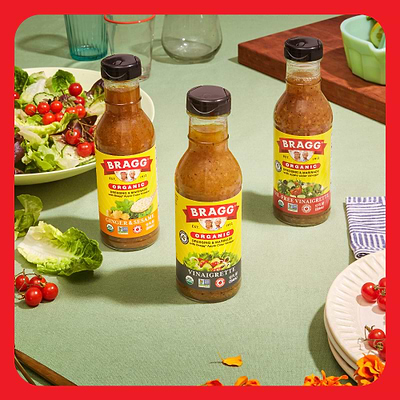
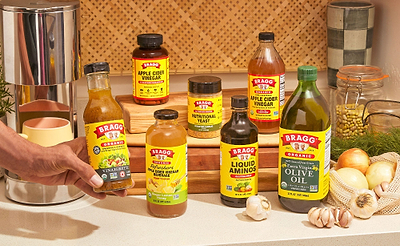
Set the golden turkey alongside roasted root vegetables, a bright green salad, and your favorite sides for a balanced, plant-forward spread. And that bottle of Bragg® Organic Apple Cider Vinegar that added its tangy note to the brine? It's ready for the salad vinaigrette, too.
From our kitchen to yours, since 1912: mindful nourishment, one shared plate at a time.