

Skin isn’t just a surface-level story; it’s shaped from the inside out.
If you’ve ever battled dry skin that laughs in the face of moisturizers, felt like winter turns your cheeks to sandpaper, or wondered why your skincare routine has more steps than a NASA spacecraft launch… welcome, friend. You’re in the right place.
Here’s the truth no serum label wants to admit: skin health doesn’t start on the surface. It starts deeper. At the skin barrier (AKA the stratum corneum) [¹], the outermost layer of your skin. Maintaining skin health from within is one of the most powerful ways to achieve optimal hydration, a robust barrier function, and visible radiance. That’s where phytoceramides come in: plant-powered lipids that are transforming how we think about beauty from within.
Not another beauty fad. Not another “miracle cream.” Just real internal support for real-world skin.
So let’s break it down: what phytoceramides are, how they help support moisture and reduce skin dryness, how they support the skin’s natural structure, and why supporting the body internally may help improve the skin’s appearance, comfort, and confidence.
What Are Phytoceramides?
Phytoceramides are plant-derived ceramides, natural lipid molecules sourced from wheat, rice [²], or corn, similar to the ceramides that are naturally present in your skin’s own protective layers. Your body already produces ceramides. They are the fatty acids and fats that help seal in moisture, protect the skin from irritants, and maintain that smooth, plump feeling we love.
Think of ceramides as the mortar between the brick wall of your skin cells. Without enough of them, water loss increases, irritants sneak in, redness and irritation flare up, and skin looks dull or tired. That’s usually the moment people reach for every cream and moisturizer on the shelf.
But here’s the twist: ceramide levels naturally decline with aging, environmental stress, and lifestyle changes. Supporting them internally with phytoceramides can help the body reinforce hydration balance from the inside, promoting skin hydration and improving dryness at the structural level, not just the surface [³].
Why People Are Turning to Phytoceramides
1. When Moisturizers Aren’t Enough Anymore
If you’ve ever applied three layers of moisturizer, slept in a hydrating mask, and still woken up feeling like your face is made of parchment paper, you are not imagining things. Sometimes the issue isn’t what’s happening on top of the skin…it’s what’s happening underneath.
A weak skin barrier allows hydration to escape faster than topical products can replenish it [⁴], which is why people are looking beyond creams and turning toward beauty-from-within solutions. Phytoceramides support the structure of the skin barrier from the inside, helping cells hold onto moisture more effectively, so your products finally have something to work with. Less layering, more results, real skin hydration that actually lasts.
If you’re looking for skin rituals beyond the bathroom counter, explore our simple guide to renewing your skin with ACV: Detoxifying Your Skin Like an Expert.
2. Because Dry, Tight, Irritated Skin Is More Than a Winter Problem
Seasonal dryness is a villain, yes, but let’s be honest, everyday life isn’t innocent either. Stress [⁵], travel, air conditioning, hot showers, aging, sun exposure [⁶], and even diet can strip ceramides from the skin over time.
Instead of constantly reacting to dryness, more people are choosing to be proactive by supporting their barrier health from within using plant-based ceramides. It’s why dry skin supplements are gaining popularity; they help rebuild what daily life breaks down. When your barrier is supported, your skin feels calmer, stronger, and more comfortable year-round, not just after your third emergency sheet mask.
3. Because the Skincare Industry Can Feel Like an Expensive Guessing Game
If you have ever stood in the skincare aisle feeling like you need a chemistry degree and a financial advisor to buy moisturizer, same—endless products, endless promises, endless confusion, but still not endless glow.
People are done chasing surface quick fixes and are ready for a foundation-first strategy. Supporting ceramides internally is a way to build skin health at the deepest structural level, rather than trying to repair cracks from the outside. It’s a relief to find something that feels simple, functional, grounded in nutrition, and not like trial-and-error roulette.
Want help understanding Bragg® supplement labels without needing a PhD in biochemistry? We’ve broken it down here: What’s In a Label? Understanding Supplement Labels the Smart Way.
4. Because Aging Is Natural, But Feeling Dull Isn’t Required
Ceramide levels decline with time, and with them goes that bouncy, supple, dewy look we all miss [⁷]. And no, aging is not the enemy. But dryness that makes skin look tired, papery, or flat? That’s worth addressing.
Supporting natural ceramide production from within helps skin hold onto hydration and smoothness, supporting a radiant look that feels like you, just nourished. It’s why skin health vitamins and glow supplements rooted in plant-based ceramides are becoming a go-to for people who want confidence that doesn’t wash off at night.
5. Because Feeling Good in Your Skin Shouldn’t Be Complicated
The self-care industry can sometimes make us feel like beauty has to be difficult, expensive, or exhausting. But the real goal? Skin that feels comfortable, healthy, and authentically radiant…without a 12-step routine.
Phytoceramides fit seamlessly into daily wellness as a supportive supplement that quietly yet powerfully works from the inside out. A capsule a day instead of six different creams. A beauty from within ritual rooted in nourishment rather than perfectionism. A reminder: glow is not about performing beauty; it’s about living vibrantly.
Topical vs. Internal Hydration: Why You Need Both
Here’s the thing about skin hydration: it’s not an either-or situation. It’s a team sport.
Topical moisturizers are fantastic; they sit on the surface of the skin and help trap moisture, soften rough texture, and create a temporary protective seal. They are your outer defense layer. But if the skin barrier underneath is depleted, weak, or missing ceramides, that hydration slips away faster than you can say “reapply.” You end up in the same cycle: more cream, less payoff, zero glow.
That’s where internal hydration support comes in. When you feed your skin from within using ingredients like plant-based ceramides, you strengthen the skin barrier at the cellular level. We’re talking about a stronger barrier, better moisture retention, and smoother texture. Suddenly, your favorite serum doesn’t have to work so hard. Supporting hydration internally makes every product on your shelf perform better.
Think of topical hydration as watering the leaves, and phytoceramides as nourishing the roots.
Do both, and you don’t just look hydrated, you are hydrated. That’s beauty from within in action.
And if you’re ready to build that kind of foundation? There’s a simple place to start.
Looking for topical support to pair with internal ceramides? Try our Apple Cider Vinegar Skin Toner hack for an easy, nourishing addition to your routine that supports the skin barrier externally while internal nutrients do their work.

The Bragg® Approach to Skin-Supportive Nutrition
At Bragg®, we believe glowing skin comes from nourishing the body, not just coating the surface. Skin deserves more than a marketing claim. It deserves meaningful support.
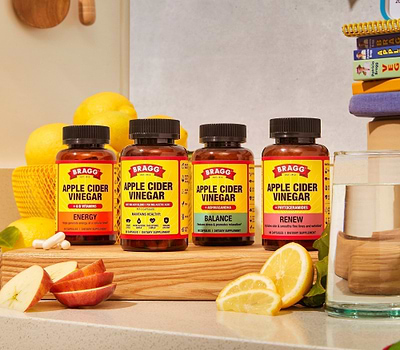
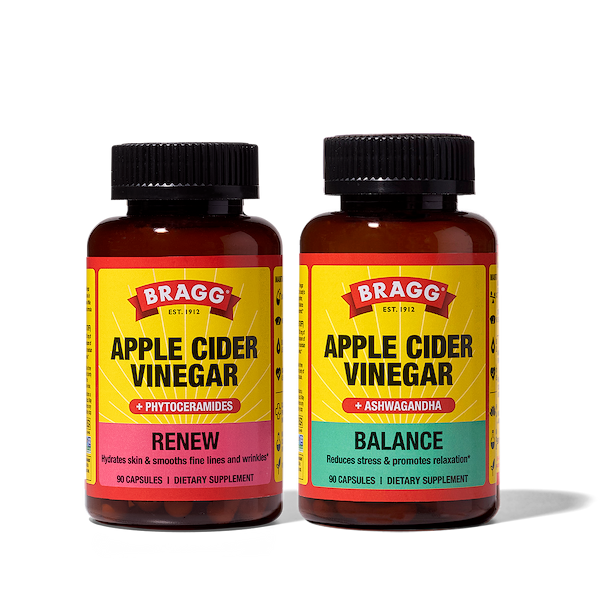
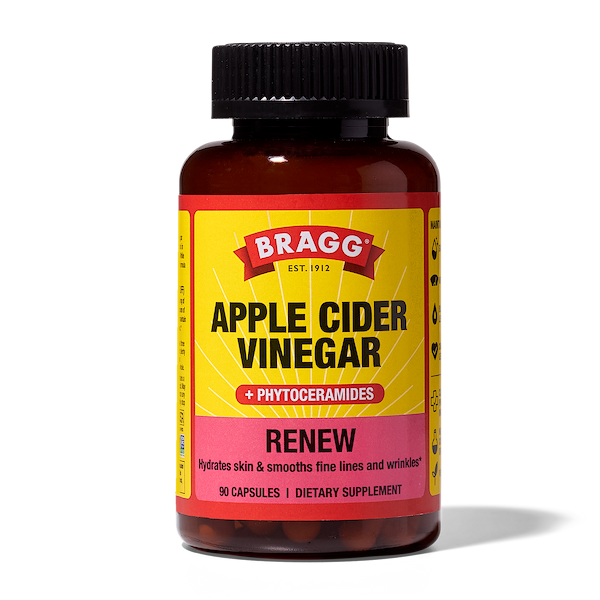
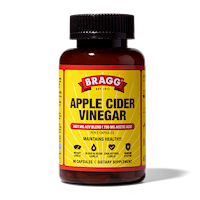
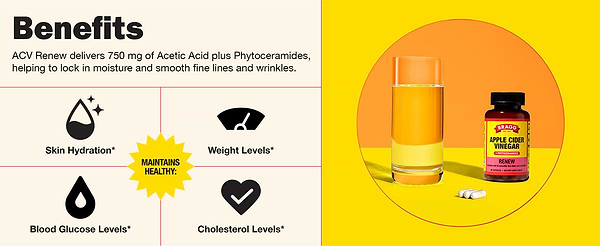
That’s why we created Renew ACV Supplements, a glow supplement made with plant-derived ceramides plus apple cider vinegar. Designed to help support the skin barrier, hydration balance, and everyday radiance from within.
Clean, thoughtful, and rooted in real food heritage. No synthetic ceramides. No fillers.
FAQs
Do phytoceramides work for every skin type?
Phytoceramides can support hydration for nearly any skin type, especially those prone to dry skin or a weakened barrier. Since they help reinforce the skin’s natural moisturizing systems internally, they complement topical products like lotions or creams formulated for hydration. Just like any daily supplement, results build gradually, and consistency matters.
Can phytoceramides help with atopic dermatitis or itchy, irritated skin?
Phytoceramides are not designed to treat atopic dermatitis, eczema, or other medical conditions, and should not replace medicine prescribed by your doctor or dermatologist.
However, because they support the skin barrier and hydration from within, some people experiencing itching or dryness find internal hydration support helpful alongside professional care. Always review changes to your routine with a healthcare provider first.
How do phytoceramides support the skin barrier?
Ceramides play an essential role in protecting the skin and helping retain water, reducing water loss that leads to a dry, tight feeling. Supporting ceramides internally may help moisturize skin from beneath the surface, helping strengthen the barrier where hydration matters. When the barrier is supported, the skin often appears smoother, firmer, and more comfortable.
Are phytoceramides available in pill form?
Yes, many people prefer phytoceramides in pill form because they are simple, convenient, and easy to incorporate into a daily supplement routine. It’s much easier than layering multiple topical products and hoping they work together.
Capsules also allow straightforward dosing without worrying about other ingredients or the heavy texture of topical creams.
Before anyone invests in supplements, quality and transparency matter. Curious how to decode what’s actually inside the bottle? Read our guide on NSF Certification and why it’s one of the strongest trust signals in the supplement world.
Can phytoceramides affect hair or nails?
Ceramides primarily support skin hydration and the skin barrier. Still, because internal moisture balance is connected to overall health, some people notice that supporting ceramides from within may also affect the feel or strength of hair and nails. Results may vary, and changes happen gradually over time.
What’s the difference between phytoceramides and synthetic ceramides in creams?
Topical and internal support play different roles. Synthetic ceramides in a cream formulated for barrier repair help moisturize the surface, while phytoceramides work internally to help reinforce the lipid structure from the inside. A stronger barrier function beneath the skin can help topical products work more effectively; you don’t have to keep applying a small amount of cream every hour, hoping it sticks.
The Last Word
Phytoceramides are more than just another step in skin care. They are a meaningful, nutrition-first way to support skin hydration, help protect the skin barrier, and nurture healthy-looking, resilient skin from the inside out.
Glow begins beneath the surface. Nourish it.