



At Bragg®, we believe knowledge is power.
And when it comes to today’s crowded market of foods and beverages, knowing how to read nutrition labels is the best way to be a conscious consumer. That's why we want to equip you with knowing how to read labels properly. So you can have power over your health, spending, and what you put in your body.
In this guide, we'll teach you how to decode Nutrition Facts and Supplement Facts labels like a pro: what to look for, what to trust, what to be aware of, and how to use them daily.
Table of Contents
- Why Reading Food Labels Matters
- Nutrition Labels and Regulations
- How to Read a Nutrition Facts Panel
- How to Read Supplement Labels
- Nutrition Information Made Simple with Bragg®
Why Reading Food Labels Matters
While we do love writing for the sake of it, this blog was something we knew we needed to do ASAP. Why?
Because we live in a time of trends and fad diets, where consumers are left to their own resources to figure out what is true and what isn't. This means that the right information can be the difference between doing things that work for or against your body.
Here's why labels matter:
-
The Nutrition Facts Panel is the only thing you have that is factual. They're standardized and regulated, not based on good marketing.
-
If you misread a label, you could unintentionally eat more things you don't want, such as sodium, sugar, or saturated fat. Even buying ineffective (or even worse...harmful) supplements.
-
There's a lot of marketing buzz about "natural" or "multigrain " products that are used without strict regulation. Labels can prove what's really in it.
Nutrition Labels and Regulations
In the United States, the Food and Drug Administration (FDA) sets the rules for nutrition labeling. This ensures that manufacturers are providing clear and accurate nutritional information, so you can make informed choices for yourself.
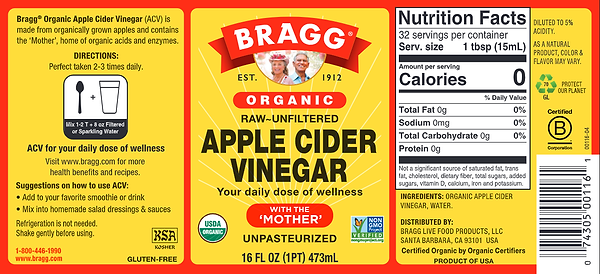
At a minimum, every Nutrition Facts Panel must include these essential details:
-
serving size
-
calories
-
total fat
-
saturated fat
-
trans fat
-
cholesterol
-
sodium
-
total carbohydrate
-
dietary fiber
-
total sugars
-
and protein.
And ever wonder what those percentages were at the bottom?
Those are the daily value (%DV) for key nutrients like vitamin D, calcium, iron, and potassium. This percent daily value helps you quickly see how much a serving of food contributes to your daily needs (so if a food product lists 20% DV for vitamin D, you’re getting a fifth of your daily requirement in just one serving).
Here's some other things to note as well...
Food manufacturers are also allowed to make certain health claims, like “low sodium,” “sugar-free,” or “high in dietary fiber”, but these claims must meet strict FDA definitions and be backed by scientific evidence [¹].
For example, “low sodium” means the food contains 140 mg of sodium or less per serving, while “sugar-free” means less than 0.5 grams of sugar per serving.
Ingredient labeling is another area where FDA regulations help protect consumers...
Because food manufacturers list the ingredients by weight (so the heaviest is first), it can help see what makes up most of what you're eating. They’re also required to highlight common allergens (like tree nuts, peanuts, and soybeans), making it easier for people with allergies to avoid risky foods [²].
If you want a deeper dive into how Bragg® defines and interprets every element on a food package, check out What’s in a label?
How to Read a Nutrition Facts Panel
First and foremost, you should have a solid understanding of your current calorie and vitamin needs. Without knowing your daily calorie goals, nutrient targets, or potential deficiencies, you can’t really tell whether the information on the label supports your health needs or not.
With that foundation in place, let’s head to the aisles. Now you’re at the store, grabbing groceries. Before tossing a product into your cart, mentally run through a quick checklist…
-
Start at the top: The serving size will shape the facts of everything else. See if they measure it by one bar, half a cup, or even a bite. Compare it to what you’ll realistically eat. If the label says one serving but you know you’ll eat two, double everything in your head: calories, fat, sugar.
-
Check the calories next: Look at calories per serving and multiply if needed. This keeps you from accidentally underestimating how much energy you’re taking in.
-
Scan the % Daily Value (%DV): The daily value will tell you which nutrients the product is high in (if 15% or more it’s a lot) and what it’s low in (if 5% or less it’s a little). So if you're trying to get more fiber or less sodium, this is where you'll go to measure exactly how much you're having per day.
-
Look for added sugars, sodium, and saturated fats: These are often where products sneak in extras you might not want. Remember, the ingredients list helps us here, too. The first few ingredients make up most of the product.
-
Do a quick “worth it?” check: After all that, ask yourself: Do the nutrition numbers line up with my goals, or is this just marketing hype? If it doesn’t fit, back on the shelf it goes.
The more you practice this in real time, the faster it becomes second nature, and soon you’ll be able to scan a label and decide in seconds whether it earns a spot in your cart.
Just a friendly reminder: Nutrition facts provide general information. Your individual health needs may differ, so always consult a healthcare professional if you have specific dietary questions.
For a deeper look at how Nutrition Facts panels work, the FDA’s Interactive Nutrition Facts Panel lets you explore each part of the label in detail and better understand what the numbers and terms mean for the foods you eat.
What are saturated fats and trans fats on food labels?
When you turn over a food package, you’ll see saturated fat and trans fat listed under the fat section of the Nutrition Facts Panel. These numbers show how much of each type of fat is in one serving, helping you understand what you’re actually eating.
Saturated fats can be part of a balanced diet when consumed in moderation, depending on the overall food and dietary pattern. Trans fats, however, are widely recognized as harmful and should be avoided whenever possible. They are associated with negative effects on heart health and are typically found in highly processed foods made with partially hydrogenated oils.

What about added sugars vs naturally occurring sugars?
Here’s the deal: added sugars are what food makers add during production (think brown sugar or evaporated cane juice). Naturally occurring sugars are already in the food, like the sugars in fruit or milk. Labels list them separately so you know exactly what’s been added vs. what’s already there.
For examples of how to build a balanced, high-fiber pantry using whole foods, see Bragg®’s How I Use Bragg®’s Plant-Based Pantry Staples to Achieve a Flavorful, Balanced Diet.
What does the Nutrition Facts Panel tell you about processed foods?
If you’re looking at processed foods or any packaged food, the label shows things like added sugars, saturated fat, trans fats, and other nutrients in one spot. That way, you can compare products side by side and see how each stacks up for daily value percentages.
Do all Nutrition Facts Panels follow the same format?
Mostly. Nutrition Facts panels follow standardized guidelines, but the layout can vary slightly depending on the product, such as a packaged food, beverage, or prepared dish. These variations reflect how the product is consumed while still presenting nutrition information clearly.
How to Read Supplement Labels
Supplements aren’t regulated like prescription drugs [³], which means labels can vary in marketing and wording (within reason).
That’s why knowing what to look for matters.
-
Start with the Supplement Facts panel: This lists the serving size, servings per container, and the amount of each vitamin, mineral, or ingredient per serving.
-
Next, check the percent daily value (%DV): Here, you’ll see how much each nutrient contributes to a standard daily diet. For nutrients without a daily value (like some herbs), you’ll see the exact amount listed in milligrams or micrograms.
-
Don’t forget the other ingredients section: This is where you’ll find things like binders, fillers, or flavorings that aren’t the main active ingredients. If you have allergies or want fewer additives, this section matters (like..a lot).
Note: Understanding labels is just one step toward informed choices. This information should not replace advice from your doctor or dietitian.
How do Supplement Facts labels differ from a Nutrition Facts Panel?
Supplement Facts panels are used for dietary supplements and list vitamins, minerals, and other dietary ingredients with their amounts per serving, while Nutrition Facts Panels appear on foods and beverages and show calories and key nutrients such as fats, carbohydrates, fiber, and sugars.
However, do note! The exact format of Nutrition Facts Panels can vary depending on the type of food or beverage, but at the end of the day, the goal is always the same with them. Each label is designed to match how the product is intended to be consumed.
Nutrition Information Made Simple with Bragg®
At Bragg®, we know that knowledge is key when it comes to living vibrantly. Especially when it comes to the foods and supplements you bring into your life. Learning how to read nutrition and supplement labels like a pro isn’t just about numbers on a panel; it’s about making confident, informed choices for your health every day.
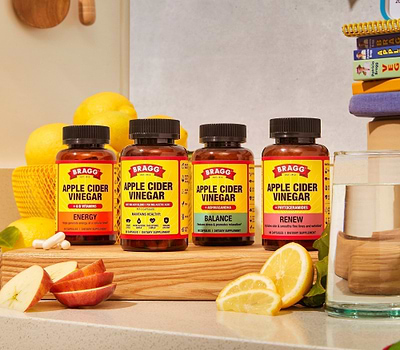
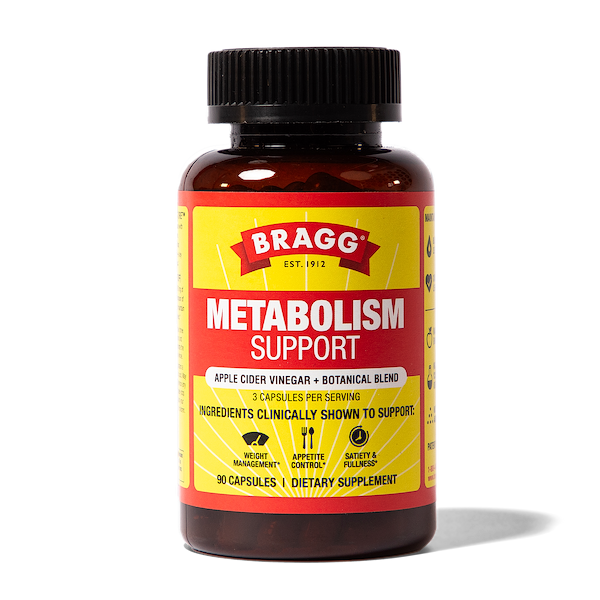
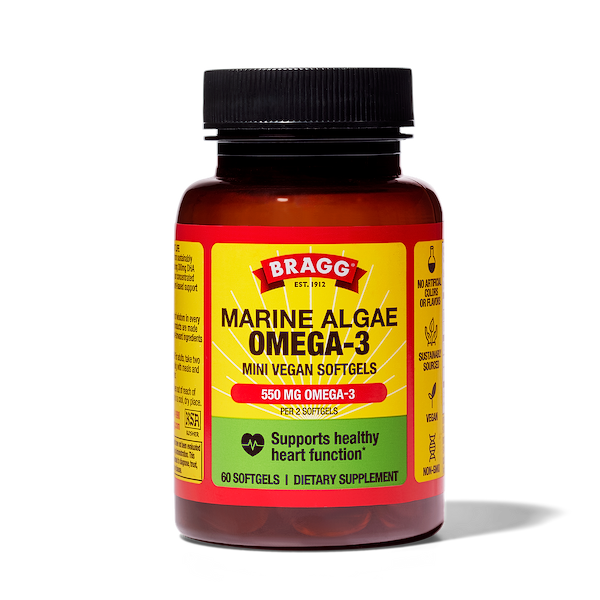
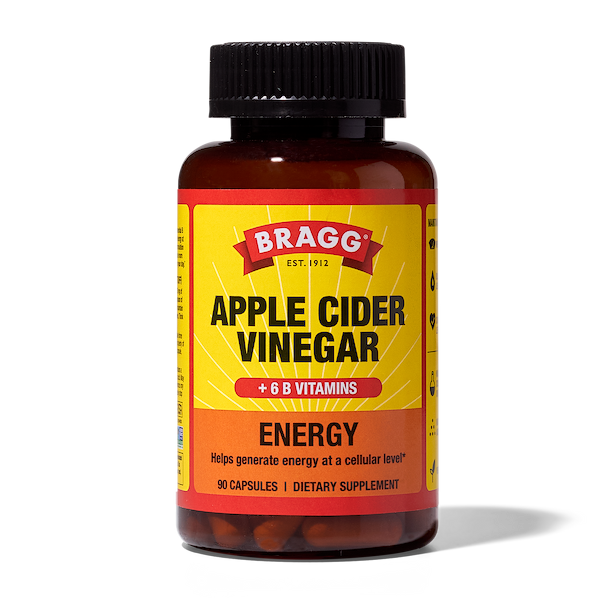
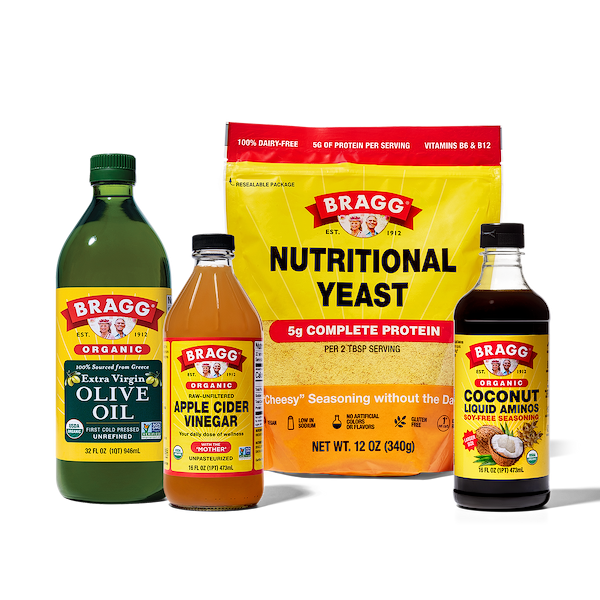
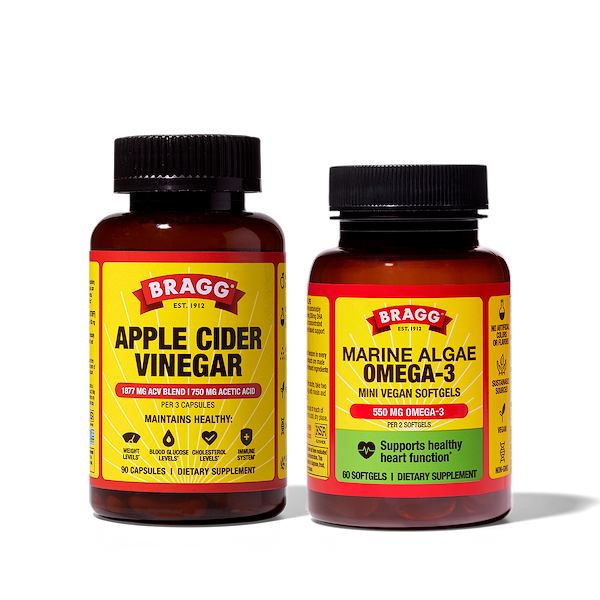
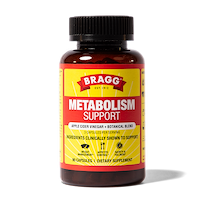
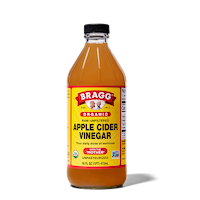
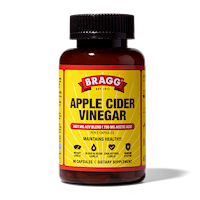
That’s why we’re committed to radical transparency in everything we make. From our Apple Cider Vinegar to Energy ACV Capsules, we go beyond basic labeling requirements to give you clear, honest information about what’s inside, so you never have to guess.
Because at the end of the day, the best wellness decisions start with real facts, real food, and real trust. And at Bragg®, we’re here to make sure you have all three.