
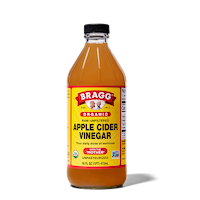
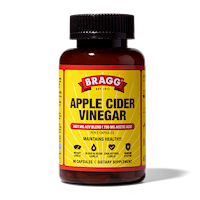





Natural skincare is having a moment, and apple cider vinegar for skin is one of those ingredients the internet just can’t stop talking about. While plenty of beauty “miracles” come and go (don’t even get us started on the toothpaste-on-your-face era), apple cider vinegar (ACV) has stuck around.
Why? Because it’s simple, recognizable, and you can literally trace its roots back to apples. No mystery chemicals, no 20-step ingredient list…just vinegar, made from apple juice.
Below, we look at what makes apple cider vinegar unique, how some people use diluted ACV in their skincare routines, what the research says, and what still needs a bit more study.
Table of Contents
How People Safely Use ACV on Their Skin
Let’s get one thing clear: using apple cider vinegar on the skin is never a “pour it on and hope for the best” situation.
Vinegar (even something as familiar as apple cider) contains acetic acid, which means the way you apply it matters…a lot.
Topical apple cider vinegar should always be diluted before applying it to your face. This helps lower the acidity, which can otherwise cause irritation, chemical burns, or leave your skin barrier feeling less than happy.
Recommended Dilution
A commonly used ratio is: 1 part apple cider vinegar to 4-5 parts water.
This more watery “ACV toner” allows people to explore the ingredient while prioritizing their skin health. You can apply a small amount using a cotton pad or even a spray bottle. The key is just enough, never saturating the skin. A tiny swipe goes a long way.
Tip: Start with a lower concentration (even more water) to see how your skin responds.
Use as a Gentle Substitute for Harsh Soaps
Some individuals explore diluted ACV when most cleansers leave their sensitive skin feeling tight, itchy, or overwhelmed by harsh soaps and multiple additives.
The method is simple:
-
First, rinse with lukewarm water
-
Then, lightly apply the ACV mixture to areas that need a little attention
-
Follow with a moisturizer (Because hydration is essential! More on that below).
ACV isn’t a replacement for face wash in all routines, but for those who don’t tolerate standard formulas well, its minimalist approach can feel like a relief.
Use as a Post-Cleanse “Balance” Step
Some people apply a diluted ACV toner after cleansing, with their reasoning linked to the skin’s pH balance. Traditional cleansers can have a higher pH, which may leave skin feeling temporarily off-kilter, while cider vinegar is naturally acidic.
Early research has explored how acids may help encourage the removal of dead skin cells and maintain the skin’s surface comfort zone [1]; however, studies are still evolving. What we can say confidently: If you like a simple, sour-slash-tart step that gives your skin that clean, “I’m refreshed” sensation? ACV may be the vibe.
Just remember not to layer ACV with multiple exfoliating acids in the same routine. Your skin barrier will appreciate the kindness.
Know When to Hit Pause
Listening to your skin is always in style, and for good reason. If you notice any of the following, it’s best to pause and reassess:
-
Stinging that doesn’t fade quickly
-
Intense drying or flaking
-
Visible irritation in affected areas
Rinse immediately with water and discontinue use. Talk to a dermatologist, especially if you have skin conditions or concerns about acne, psoriasis, or atopic dermatitis.
Your skin will thank you.
Quick Recap
-
Always use diluted ACV
-
Apply to small areas first (perform a patch test!)
-
Pair with moisturizer
-
Keep dermatologist-approved treatments in place
-
If it doesn’t feel good…stop
Why People Choose Apple Cider Vinegar for Skin
A Simpler Ingredient List
Ever flipped a facial cleanser bottle over and wondered if you accidentally grabbed a chemistry textbook?
Many standard skin care products are packed with fragrances, foaming agents, preservatives, and ingredients only a scientist could pronounce. For people with sensitive skin, the more complicated the formula, the greater the chance that something in it might cause irritation or an unwanted reaction.
That’s part of the charm behind apple cider vinegar. It’s vinegar… from apple juice. When naturally fermented, it contains acetic acid, water, and trace organic acids [2]. That’s pretty much it. For anyone craving a more minimal, “I know exactly what’s touching my face” routine, ACV checks the box.
Want to know more about how it’s made? Check out our post, Apple Cider Vinegar - How it is Made and What Makes it so Good?

What Research Shows About ACV and Skin Care
pH Balance and Skin Barrier Comfort
Research shows that a proper skin pH balance supports comfort and defenses against everyday stressors [3]. Because vinegar is acidic, topical apple cider vinegar may help maintain a balanced environment on the skin's surface, especially after harsh soaps that can leave the skin feeling stripped.
Why That Matters in Skincare
Healthy human skin naturally exists on the slightly acidic side of the pH balance scale. When the skin barrier is comfortable and balanced, skin health may feel more supported in day-to-day environments.
According to the National Eczema Association, certain soaps, shampoos, and cosmetic products can increase the skin’s pH level, which may interfere with how well the skin barrier functions [4]. Some people use diluted ACV, with its naturally acidic profile from acetic acid, as a way to help the skin feel balanced after cleansing.
Important reminder: A balanced pH matters, but too much acidity can cause burns or excess dryness. Moderation and dilution are key to avoiding more harm than good.
Mild Surface Exfoliation
ACV’s organic acids, including acetic acid, may help the skin naturally remove dead skin cells through very gentle acidic exfoliation [5]. Some people believe this contributes to a smoother surface appearance, but again, more studies are needed.
Why That Matters in Skincare
The skin naturally sheds dead skin cells as part of a continuous renewal cycle. When this process slows (often due to dry weather, heavy products, or aging), the skin’s surface can look dull or uneven.
Ingredients that help gently remove dead skin cells, like the organic acids in apple cider vinegar, may support a more refreshed appearance when used safely and with proper dilution. This is particularly interesting for people who have a harder time tolerating stronger acids found in conventional exfoliating skin care products.
Research is still Limited
There’s no solid clinical proof that apple cider vinegar can treat acne, wrinkles, age spots, fungal infections, or other skin conditions. At this stage, those claims sit outside what’s recognised in regulated skincare science.
Consumers are encouraged to maintain realistic expectations and consult with their healthcare provider when exploring new skincare products.
Sustainability and Ingredient Integrity Matter Too
Bragg® stands apart not only for its organic apples and simple formulation, but also for how those ingredients are sourced.
-
Ethical production practices
-
Certified B-Corp, meeting verified environmental & social responsibility standards
For eco-conscious consumers, these values are becoming increasingly integral to what defines healthy skin routines and responsible purchasing decisions.
When Less Feels Better: Choosing ACV with Intention
Apple cider vinegar for skin can be a wise, informed choice for people who:
-
Prefer natural and familiar ingredients
-
React to long lists of synthetics
-
Want a gentle surface-cleansing detox
-
Understand the need for dilution and moderation
ACV won’t replace clinically proven skincare solutions or medical products. It can, however, be a simple addition to support skin health as part of a well-balanced routine, under the guidance of a dermatologist.
If you’re curious about exploring skin ACV, focus on safety first: dilute it, perform a patch test, monitor your skin closely, and follow expert advice.
Shop Apple Cider Vinegar Today!